🦷 General Care
✨ Treatments
👶 Family Care
💚 Wellness
💡 Resources

🦷 General Care
✨ Treatments
👶 Family Care
💚 Wellness
💡 Resources

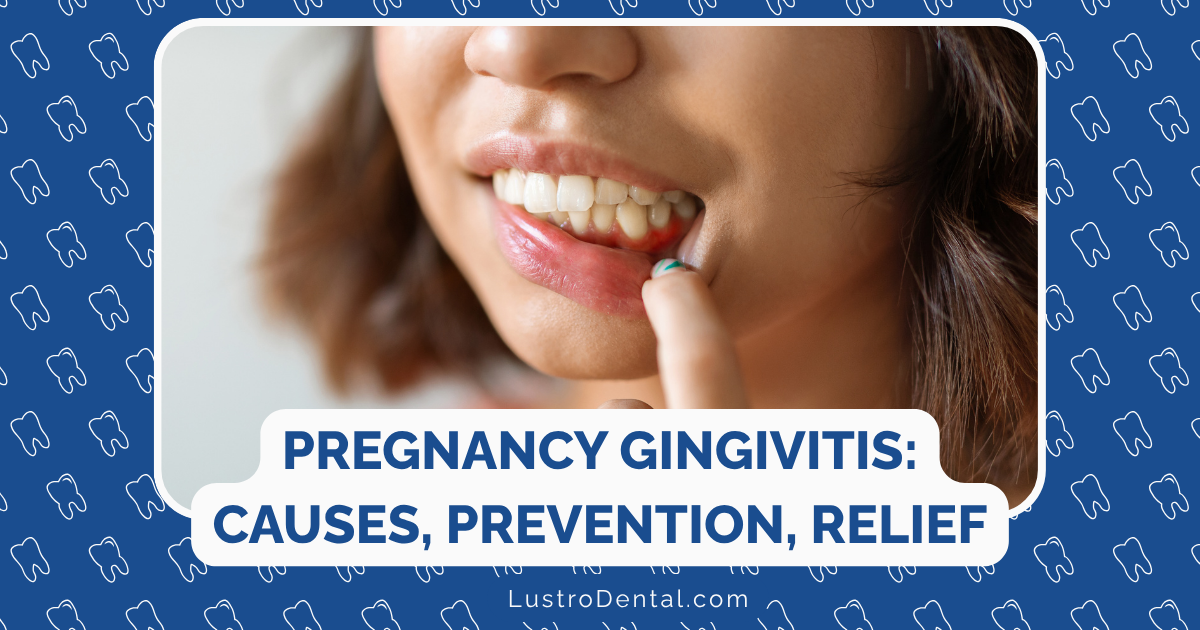
Pregnancy brings many changes to your body—some expected, others surprising. Among the less discussed but quite common changes is what happens to your gums. If you’ve noticed your gums becoming more sensitive, swollen, or bleeding more easily when brushing or flossing during pregnancy, you’re experiencing what’s known as pregnancy gingivitis.
As a dental health advocate who’s worked with many expectant mothers, I’ve seen firsthand how this condition can cause concern. The good news is that with proper understanding and care, managing pregnancy gingivitis can be effective, helping you maintain both your oral health and overall wellbeing during this special time.
Pregnancy gingivitis is a form of gum inflammation that occurs during pregnancy. According to the Centers for Disease Control and Prevention (CDC), it affects approximately 60% to 75% of pregnant women, making it one of the most common oral health issues during pregnancy.
The condition typically begins around the second month of pregnancy, peaks during the second trimester, and may continue until delivery. While similar to regular gingivitis, the pregnancy version is uniquely influenced by the hormonal changes occurring in your body.
Dr. Sarah Johnson, a periodontist specializing in pregnancy-related oral health, explains: “Many women are surprised by these symptoms, especially if they’ve maintained good oral hygiene. It’s important to understand that this is a normal response to pregnancy hormones and not necessarily a reflection of poor dental care.”
The primary culprits behind pregnancy gingivitis are the hormones estrogen and progesterone, which increase dramatically during pregnancy. These hormonal changes affect your body’s response to plaque in several ways:
Pregnancy hormones, particularly progesterone, increase blood flow to all tissues, including your gums. This increased circulation can make your gums more sensitive and prone to swelling and bleeding.
Your immune system undergoes modifications during pregnancy to protect the developing fetus. These changes can affect how your body responds to bacteria in dental plaque, potentially making your gums more susceptible to inflammation.
Research suggests that elevated progesterone levels can favor the growth of certain bacteria associated with gingivitis. Additionally, these hormones may change how your gum tissue responds to irritants like plaque.
The same hormones that relax the ligaments in your pelvis to prepare for childbirth can also affect the tiny fibers that hold your teeth in place, potentially making them feel slightly looser.
Dr. Michael Chen, a researcher in oral health during pregnancy, notes: “The hormonal fluctuations during pregnancy create a perfect storm for gum inflammation. Even women with excellent oral hygiene may notice some changes, though good habits can significantly minimize the effects.”
Understanding when and how pregnancy gingivitis typically develops can help you anticipate and manage symptoms:
A common concern among expectant mothers is whether pregnancy gingivitis can harm their baby. Here’s what the research tells us:
Mild pregnancy gingivitis itself has not been shown to harm the developing fetus or cause pregnancy complications. It’s considered a normal physiological response to pregnancy.
However, if gingivitis progresses to periodontitis (a more severe form of gum disease involving bone loss), some research suggests potential links to:
It’s important to note that while these associations exist, a direct causal relationship hasn’t been definitively established. A review published in the Journal of the American Dental Association found that treatment of periodontal disease during pregnancy, while improving maternal oral health, has not consistently been shown to reduce adverse pregnancy outcomes.
Nevertheless, maintaining good oral health during pregnancy remains important for your overall health and comfort.
The good news is that pregnancy gingivitis can be effectively managed with proper care. Here’s a comprehensive approach:
Contrary to some misconceptions, dental care during pregnancy is not only safe but recommended:
According to the American College of Obstetricians and Gynecologists (ACOG), “Women should be counseled about the importance of oral health and the safety of dental services during pregnancy.”
Your daily oral hygiene routine is your first line of defense against pregnancy gingivitis:
What you eat affects both your overall pregnancy health and your gum health:
Some natural approaches may complement your regular oral care routine:
Note: Always consult with your healthcare provider before trying natural remedies during pregnancy.
While some gum changes are normal during pregnancy, certain symptoms warrant prompt dental attention:
In some cases (about 1-5% of pregnancies), women may develop what’s called a “pregnancy tumor” or “pregnancy granuloma.” Despite the alarming name, these are not cancerous but rather an extreme inflammatory response to irritants like plaque.
These growths typically appear as red, raspberry-like lumps on the gums that may bleed easily. While they usually resolve after pregnancy, they can be removed by a dentist if they interfere with eating, speaking, or brushing.
Several misconceptions persist about oral health during pregnancy:
Reality: The saying “gain a child, lose a tooth” is not based on fact. Pregnancy itself doesn’t cause tooth loss, though untreated severe gum disease can.
Reality: Your baby gets calcium from your diet, not your teeth. The calcium in your teeth doesn’t transfer to the developing fetus.
Reality: With proper shielding (lead apron and thyroid collar), dental X-rays expose the fetus to minimal radiation and are considered safe when necessary.
Reality: Basic dental care is safe throughout pregnancy, and addressing dental problems promptly is better for both mother and baby.
For most women, pregnancy gingivitis resolves within a few months after delivery as hormone levels return to normal. However, maintaining good oral hygiene remains important, especially during the demanding early months of parenthood when self-care might take a backseat.
If you breastfeed, you may continue to experience some hormonal effects on your gums, though these are typically less pronounced than during pregnancy.
“During my second trimester, I noticed my gums bleeding every time I brushed. My dentist explained it was pregnancy gingivitis and recommended an electric toothbrush and more frequent cleanings. These simple changes made a huge difference, and by focusing on my oral care routine, I managed to keep the symptoms under control until after delivery.”
“With my first pregnancy, I ignored my bleeding gums, assuming it was normal. By my third trimester, I had developed a painful ‘pregnancy tumor’ that needed treatment. With my second pregnancy, I was proactive—scheduling regular dental cleanings, using a water flosser, and doing salt water rinses daily. The difference was remarkable—just minor sensitivity instead of the severe problems I had before.”
Pregnancy gingivitis, while common, doesn’t have to be a significant source of discomfort during your pregnancy journey. By understanding the hormonal changes behind it and implementing consistent oral hygiene practices, you can effectively manage symptoms and protect your overall health.
Remember these key points:
By taking a proactive approach to your oral health during pregnancy, you’re not only ensuring your own comfort but also contributing to your overall wellbeing during this special time. Your smile deserves care, even as you prepare to welcome your little one’s first smile into the world.
Have you experienced pregnancy gingivitis? What strategies worked best for you? Share your experiences in the comments below.