🦷 General Care
✨ Treatments
👶 Family Care
💚 Wellness
💡 Resources

🦷 General Care
✨ Treatments
👶 Family Care
💚 Wellness
💡 Resources

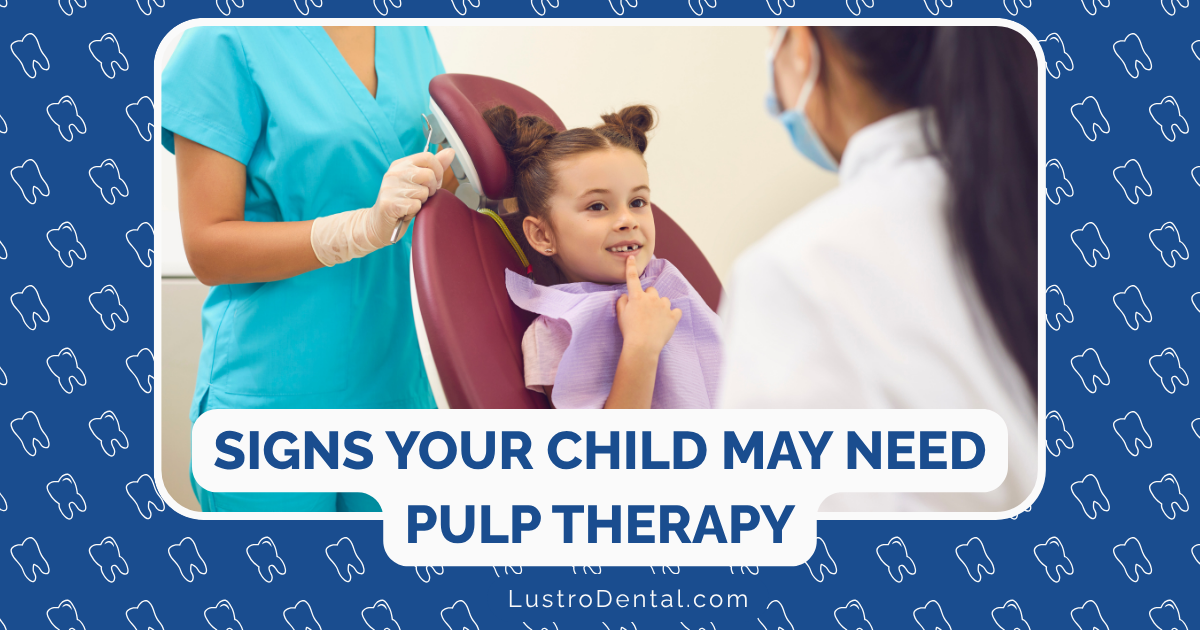
As parents, we’re attuned to our children’s needs—from their favorite foods to their preferred bedtime stories. But when it comes to dental health, identifying problems can be challenging. Children may struggle to articulate their discomfort, or the symptoms might be subtle until the condition has advanced significantly.
Dental pulp damage—injury or infection to the living tissue inside a tooth—is one such condition that can be difficult to catch early. Yet prompt treatment through pulp therapy can mean the difference between saving a tooth and losing it prematurely.
Let’s explore the warning signs that might indicate your child needs pulp therapy, and why acting quickly matters for their long-term dental health.
Before we dive into symptoms, it’s helpful to understand what we’re talking about. Dental pulp is the soft tissue at the center of each tooth, containing:
In children’s teeth, the pulp is proportionally larger and extends closer to the tooth surface than in adult teeth. This means decay can reach the pulp more quickly, often before obvious symptoms appear.
1. Persistent or Unexplained Toothache
According to Dr. Sarah Johnson of Happy Kids Dental, “The most common sign of damaged dental pulp in children is pain that doesn’t go away on its own.” This pain might be:
2. Nighttime Pain
Pain that wakes your child at night or prevents them from falling asleep is particularly concerning. Dr. Michael Chen from Castle Rock Smiles notes, “Pulp inflammation often causes increased pain when lying down due to changes in blood pressure to the affected area.”
3. Temperature Sensitivity
Heightened sensitivity to hot or cold foods and beverages that:
4. Pain When Chewing or Biting
Discomfort that occurs specifically when pressure is applied to a particular tooth can indicate pulp inflammation or infection.
1. Swelling or Redness
Inflammation around a specific tooth, including:
According to researchers at B-Well Clinics, “Discoloration of the tooth (turning gray, brown, or black) can indicate that the pulp is compromised.” This is particularly noticeable in front teeth and may develop gradually after an injury.
3. Unexpected Tooth Mobility
A tooth that becomes loose without an apparent cause (not related to normal exfoliation of baby teeth) may indicate infection in the pulp that has spread to surrounding tissues.
4. Visible Damage or Deep Decay
Large, obvious cavities or fractures that potentially expose the inner layers of the tooth warrant immediate evaluation, even in the absence of pain.
1. Difficulty Eating
You might notice your child:
2. Irritability or Mood Changes
Ongoing dental pain can affect your child’s behavior, leading to:
3. Touching or Pointing to the Area
Young children who can’t verbalize their pain might frequently touch or point to the affected area.
While all the symptoms above warrant a dental evaluation, certain signs indicate a more urgent situation requiring prompt attention:
Dr. Lisa Wong of Pediatric Dentist McKinney TX emphasizes: “Quick treatment for dental pain can determine whether a tooth can be saved or needs to be removed. An infection in a baby tooth can spread through blood vessels in the pulp to the rest of the mouth if untreated.”
When you bring your child in with suspected pulp issues, the dentist will use several approaches to assess the situation:
The dentist will visually examine the affected tooth and surrounding tissues, looking for signs of decay, damage, swelling, or infection.
Questions about when symptoms started, what makes the pain better or worse, and any history of trauma provide valuable diagnostic information.
X-rays are essential for diagnosing pulp issues, revealing:
According to a 2022 study published in PMC, pulp testing in children can be challenging due to cooperation issues and the unique physiology of primary teeth. However, dentists may use:
These tests help determine if the pulp is healthy, inflamed but treatable, or irreversibly damaged.
You might wonder why treating pulp issues in baby teeth is important when these teeth will eventually fall out anyway. Here’s why timely intervention matters:
First and foremost, addressing pulp issues alleviates your child’s pain and discomfort.
Primary teeth serve as space maintainers for permanent teeth. Losing them prematurely can lead to:
Untreated pulp infections can spread:
Primary teeth support:
If your child is diagnosed with pulp damage, the dentist may recommend one of these common treatments:
For deep decay approaching the pulp but without actual exposure. The dentist removes most decay while leaving a thin layer to avoid exposing the pulp, then places a protective material over this area.
Often called a “baby tooth root canal,” this procedure involves:
For cases with more extensive infection, this involves:
According to Once Upon a Tooth, success rates for these procedures are impressive:
As a parent, you play a crucial role in identifying potential pulp issues early. Here’s how you can be proactive:
Routine visits allow dentists to catch problems before they become severe. The American Academy of Pediatric Dentistry recommends check-ups every six months.
Help your child brush twice daily with fluoride toothpaste and floss once daily to prevent decay from reaching the pulp.
Even minor chips or cracks should be evaluated, as they can create pathways for bacteria to reach the pulp.
While children sometimes exaggerate, consistent complaints about tooth pain should never be dismissed.
You know your child best. If something seems off with their dental health, don’t hesitate to seek professional advice.
Recognizing the signs that your child might need pulp therapy can lead to earlier intervention, more conservative treatment options, and better outcomes. While some of these symptoms might have other causes, they always warrant evaluation by a dental professional.
Remember that pulp therapy in primary teeth has excellent success rates and plays a vital role in maintaining your child’s oral health until their permanent teeth are ready to emerge. By staying vigilant and acting promptly when symptoms appear, you’re helping to ensure your child develops a healthy smile that will last a lifetime.
Has your child experienced any of these symptoms? Do you have questions about pulp therapy for primary teeth? Share your thoughts or concerns in the comments below, and we’ll address them in a future post!