🦷 General Care
✨ Treatments
👶 Family Care
💚 Wellness
💡 Resources

🦷 General Care
✨ Treatments
👶 Family Care
💚 Wellness
💡 Resources

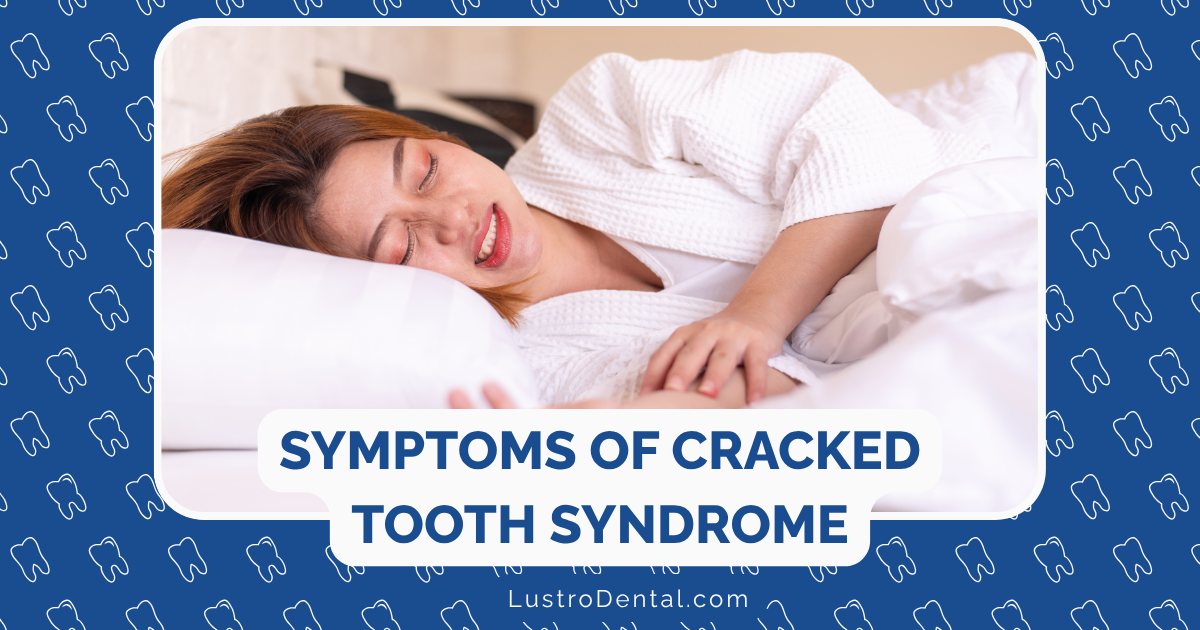
In my years of working with dental patients, I’ve noticed a fascinating and concerning pattern: during times of heightened stress—economic downturns, pandemic periods, or personal crises—we see a significant uptick in cracked teeth. This isn’t coincidental. There’s a direct and scientifically-backed connection between the stress you experience, the unconscious grinding of your teeth (bruxism), and the development of cracked tooth syndrome.
Understanding this connection is the first step toward protecting your dental health during stressful periods. In this comprehensive guide, we’ll explore the intricate relationship between your mental state and your dental health, and provide practical strategies to break this damaging cycle.
Before diving into the dental aspects, let’s acknowledge an uncomfortable truth: we’re living in an increasingly stressful world. According to the American Psychological Association, stress levels have been trending upward for years, with approximately 75% of adults reporting moderate to high stress levels in recent surveys.
Dr. Sarah Johnson, neuropsychologist at University Stress Research Institute, notes: “What many people don’t realize is that psychological stress isn’t just ‘in your head’—it manifests physically throughout your body, including your mouth and jaw muscles.”
This physical manifestation often takes the form of bruxism—the medical term for teeth grinding and clenching—which can lead to a cascade of dental problems, culminating in cracked tooth syndrome.
Bruxism is the involuntary grinding, gnashing, or clenching of teeth. It comes in two main forms:
Awake Bruxism: Occurs during waking hours, often during periods of concentration, anger, or anxiety. Many people are unaware they’re doing it until someone points it out or they notice jaw soreness.
Sleep Bruxism: Happens during sleep, classified as a sleep-related movement disorder. It’s particularly damaging because:
Recent research published in the Journal of Oral Rehabilitation found that approximately 8-10% of the population suffers from severe bruxism, with higher rates (up to 31% for awake bruxism) in those experiencing chronic stress.
The connection between stress and teeth grinding isn’t just behavioral—it’s neurochemical. Here’s what happens in your body when stress triggers bruxism:
Dr. Michael Chen, neurodentist at Advanced Dental Neuroscience Center, explains: “It’s a vicious cycle. Stress causes grinding, which leads to dental problems and pain, creating more stress—and the cycle continues. Breaking this cycle requires addressing both the psychological stressors and their physical manifestations.”
The journey from stress to a cracked tooth follows a predictable path:
When you grind your teeth, the excessive forces begin to wear away the protective enamel. This stage may be characterized by:
These early warning signs are often missed or dismissed as normal aging of teeth.
As grinding continues, the damage progresses beyond the enamel:
At this stage, the damage is still largely repairable with conservative treatments.
With ongoing grinding, those microfractures eventually develop into true cracks:
According to a study in the Journal of Endodontics, the forces generated during sleep bruxism can exceed 250 pounds per square inch—more than enough to crack even healthy teeth over time.
Left untreated, cracked tooth syndrome can progress to:
Dr. Lisa Wong, endodontist at University Dental Institute, notes: “By the time many patients seek treatment for a cracked tooth, they’ve been grinding for years. The crack didn’t happen overnight—it’s the culmination of a long-term stress response manifesting in their mouth.”
Consider whether you’re experiencing these common stress symptoms:
Look for these signs of teeth grinding:
Watch for these symptoms of cracked tooth syndrome:
Not all stress affects your teeth equally. Research has identified several psychological factors particularly associated with bruxism:
People with generalized anxiety disorder, panic disorder, or social anxiety are up to three times more likely to experience bruxism. The constant state of worry keeps stress hormones elevated, maintaining muscle tension even during sleep.
Individuals with perfectionist tendencies or Type A personality traits (competitive, high-achieving, impatient) show higher rates of bruxism. The constant drive to achieve and control manifests physically in jaw clenching.
Job strain, particularly roles with high demands and low control, correlates strongly with bruxism. A 2022 study in the Journal of Occupational Health found that workers in high-stress occupations were twice as likely to experience sleep bruxism compared to those in lower-stress positions.
PTSD creates a state of hyperarousal in the nervous system. This chronic activation of the fight-or-flight response leads to persistent muscle tension, including in the jaw, resulting in severe bruxism in many sufferers.
For some individuals, bruxism serves as an unconscious coping mechanism—a physical outlet for emotional tension. This “adaptive” response, while providing momentary stress relief, causes long-term dental damage.
Effectively addressing the stress-grinding-cracking cycle requires a multi-faceted approach:
Mindfulness and Meditation
Regular mindfulness practice has been shown to reduce bruxism frequency by addressing its root cause. A 2023 study in the Journal of Dental Research found that an 8-week mindfulness program reduced nighttime grinding episodes by up to 50% in chronic bruxers.
Techniques to try:
Cognitive Behavioral Therapy (CBT)
CBT helps identify and reframe stress-inducing thought patterns. Working with a therapist can help develop healthier responses to stressors that trigger grinding.
Physical Exercise
Regular physical activity reduces stress hormones and promotes better sleep quality, indirectly reducing bruxism. Aim for at least 30 minutes of moderate exercise most days.
Sleep Hygiene
Poor sleep and bruxism have a bidirectional relationship—each worsens the other. Improving sleep hygiene can help break this cycle:
Custom Night Guards
A properly fitted dental night guard won’t stop you from grinding, but it will protect your teeth from damage. Dr. Johnson emphasizes: “A custom-made night guard from your dentist is far superior to over-the-counter options. It’s precisely fitted to your bite, more comfortable, more durable, and ultimately more effective.”
Daytime Awareness Training
For awake bruxism, increasing awareness is key:
Botulinum Toxin (Botox) Injections
For severe cases of bruxism that don’t respond to other treatments, Botox injections into the masseter muscles can reduce their strength and activity. This approach has shown promising results in reducing grinding frequency and intensity.
If you’ve already developed cracked tooth syndrome, prompt treatment is essential:
For Minor Cracks (Craze Lines)
For Moderate Cracks
For Severe Cracks
Several lifestyle factors can exacerbate bruxism and should be addressed:
Reduce Stimulants
Dietary Considerations
Posture Improvement
Bruxism is common in children, with prevalence rates as high as 38%. While many children outgrow it, stress-related grinding can persist and cause damage to both primary and permanent teeth.
Signs to watch for:
Approaches for children:
Certain professions show higher rates of bruxism, including:
For these individuals, proactive measures are essential:
As we age, our teeth become more susceptible to cracking due to:
Considerations for older adults:
Research into the stress-bruxism-cracking connection continues to evolve, with several promising developments:
Wearable devices that detect jaw muscle activity and provide real-time feedback are showing promise in reducing bruxism episodes. These devices can vibrate or emit sounds when grinding begins, training the brain to reduce the behavior even during sleep.
Research is exploring medications that target the neurological pathways involved in bruxism, including:
New diagnostic technologies allow for earlier detection of microfractures before they develop into symptomatic cracks:
If you suspect the stress-grinding-cracking cycle is affecting you, here are immediate steps to take:
The connection between stress, grinding, and cracked tooth syndrome represents a perfect example of the mind-body relationship in health. By understanding this connection, you can take proactive steps to protect your dental health even during life’s most stressful periods.
Remember that addressing this issue requires patience and consistency. The habits and physiological responses that lead to grinding often develop over years, and retraining your body and mind takes time. However, with the right approach, you can break the cycle and preserve both your dental health and your peace of mind.
Have you noticed a connection between stressful periods in your life and dental problems? Share your experience or questions in the comments below.