Diabetes and Your Mouth: The Two-Way Relationship and Management Strategies
If you’re living with diabetes, you’re likely familiar with how this condition affects your eyes, kidneys, heart, and nerves. But did you know that there’s also a crucial two-way relationship between diabetes and your oral health? This bidirectional connection means that diabetes can impact your mouth, and surprisingly, the health of your mouth can affect your diabetes control.
With diabetes affecting over 800 million people worldwide and expected to reach 350 million by 2030 according to research published in PMC, understanding this relationship is more important than ever. In this comprehensive guide, we’ll explore how diabetes and oral health influence each other and provide practical strategies to manage both effectively.
The connection between diabetes and oral health, particularly gum disease, is what healthcare professionals call a “bidirectional relationship.” This means these conditions influence each other in a continuous cycle:
How Diabetes Affects Your Mouth
When you have diabetes, especially when it’s poorly controlled, several factors put your oral health at risk:
Compromised Immune Function: Elevated blood sugar weakens your immune system, making it harder to fight off the bacteria that cause gum infections.
Reduced Saliva Flow: Diabetes can decrease saliva production, creating a drier mouth environment where bacteria thrive. Saliva plays a crucial role in washing away food particles and neutralizing acids produced by bacteria.
Slower Healing: High blood glucose levels can impair your body’s healing response, making it harder for your gums to recover from injury or infection.
Blood Vessel Changes: Diabetes can thicken blood vessels, slowing the flow of nutrients to tissues and the removal of waste products, affecting gum health.
Higher Glucose Levels in Saliva: Elevated blood sugar leads to higher glucose levels in your saliva, providing more “food” for harmful bacteria in your mouth.
The Centers for Disease Control and Prevention (CDC) confirms that people with diabetes are at significantly higher risk for oral health problems. In fact, research shows that individuals with poorly controlled diabetes have 2-3 times higher risk of developing periodontitis compared to those without diabetes.
How Your Oral Health Affects Diabetes
The influence works in the other direction as well:
Systemic Inflammation: Gum disease triggers inflammation that doesn’t just stay in your mouth. This inflammation can enter your bloodstream and affect your entire body, including how your body processes insulin.
Insulin Resistance: The inflammatory molecules released during periodontal disease can increase insulin resistance, making it harder to control blood sugar levels.
Elevated Blood Sugar: Chronic inflammation from gum disease can contribute to higher blood glucose levels, complicating diabetes management.
Treatment Benefits: Studies have shown that successful treatment of periodontal disease can lead to improvements in glycemic control, with some research indicating a reduction in HbA1c levels (a measure of long-term blood sugar control).
According to a study in the Journal of Dental Research and Reports, treating gum disease may help improve blood sugar control in people with diabetes, potentially reducing HbA1c levels. A 1% reduction in HbA1c can lead to a 37% reduction in microvascular complications and a 21% reduction in diabetes-related deaths.
Common Oral Health Problems Associated with Diabetes
People with diabetes are more susceptible to several oral health conditions:
1. Periodontal (Gum) Disease
Periodontal disease exists on a spectrum:
Gingivitis: The early stage of gum disease, characterized by red, swollen gums that may bleed during brushing or flossing. At this stage, the condition is reversible with proper care.
Periodontitis: The advanced stage where the infection damages the soft tissue and bone supporting your teeth. This can lead to loose teeth, changes in how your teeth fit together, and eventually tooth loss if left untreated.
Periodontitis is now recognized as the “sixth complication” of diabetes, alongside complications affecting the eyes, kidneys, nerves, heart, and blood vessels.
2. Dry Mouth (Xerostomia)
Diabetes can reduce saliva production, leading to dry mouth. This condition not only causes discomfort but also increases your risk of cavities, gum disease, and oral infections since saliva helps protect your teeth and gums.
3. Thrush (Oral Candidiasis)
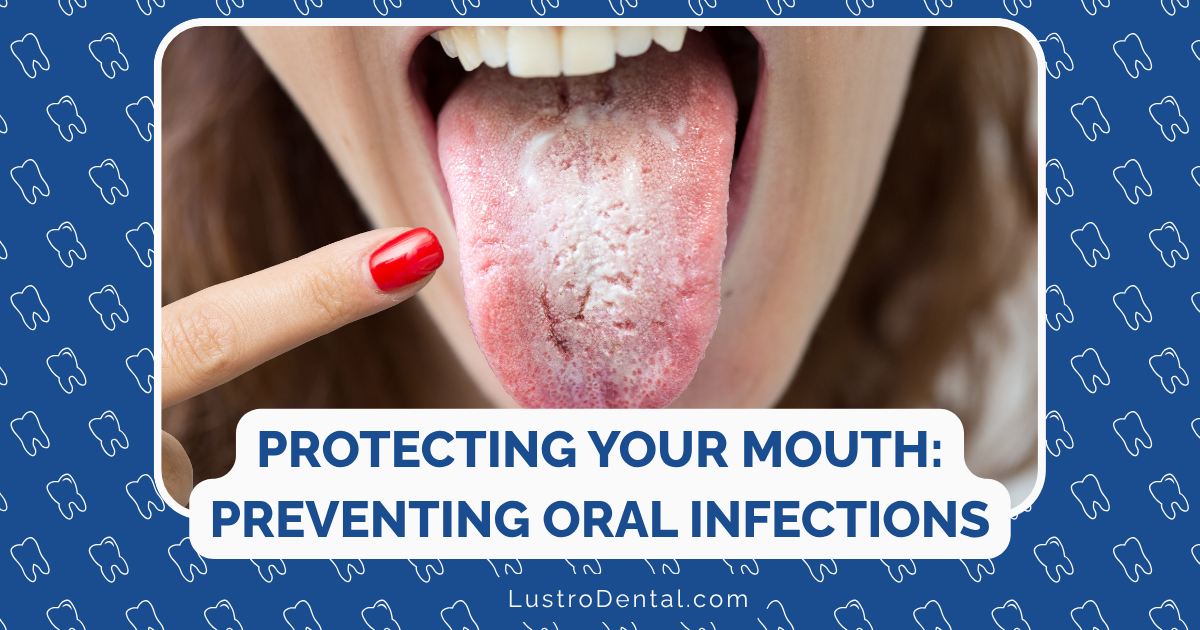
People with diabetes are more susceptible to this fungal infection, which appears as white (or sometimes red) patches in the mouth. High glucose levels in saliva create an ideal environment for the Candida fungus to grow.
4. Burning Mouth Syndrome
This condition causes a burning sensation in the mouth, often accompanied by dryness and altered taste. It’s more common in people with diabetes, especially those with peripheral neuropathy.
5. Delayed Healing
If you have diabetes, you may notice that mouth sores or injuries take longer to heal, increasing the risk of infection and complications after dental procedures.
6. Dental Caries (Cavities)
The combination of dry mouth, higher glucose levels in saliva, and potentially poorer oral hygiene (due to physical limitations from diabetes complications) can increase the risk of tooth decay.
Warning Signs to Watch For
If you have diabetes, be vigilant for these oral health warning signs:
Maintain target blood glucose levels as recommended by your healthcare provider
Monitor your blood sugar regularly
Take medications as prescribed
Research shows that improved glycemic control can reduce the risk and severity of gum disease
Lifestyle Factors:
Regular physical activity improves both diabetes control and reduces inflammation
Adequate sleep supports immune function and glycemic control
Stress management is important, as stress can worsen both diabetes and gum disease
Smoking Cessation:
Smoking significantly increases the risk of periodontal disease and complicates diabetes management
If you smoke, talk to your healthcare provider about cessation strategies
Nutrition:
A balanced diet supports both oral health and diabetes management
Adequate protein intake supports tissue healing and repair
Vitamin C, vitamin D, and calcium are particularly important for gum and tooth health
Integrated Healthcare Approach
The bidirectional relationship between diabetes and oral health highlights the need for an integrated approach to care:
Communication Between Providers:
Ensure your dentist and diabetes care provider communicate about your health
Share your recent HbA1c levels with your dentist
Inform your diabetes care provider about any dental infections or treatments
Medication Considerations:
Some diabetes medications can affect your oral health (e.g., causing dry mouth)
Some dental procedures may require adjustments to your diabetes medication schedule
Always provide your complete medication list to both your dentist and diabetes care provider
Coordinated Treatment Planning:
Major dental work may need to be planned in coordination with your diabetes management
For extensive dental procedures, your healthcare providers may recommend temporary adjustments to your diabetes care routine
Special Considerations
Dental Procedures and Diabetes
If you need dental work beyond routine cleanings:
Pre-procedure Planning:
Work with both your dentist and diabetes care provider to ensure your blood sugar is well-controlled before procedures
Discuss whether you need antibiotics before certain dental procedures (this depends on your specific health situation)
Day of Procedure:
Monitor your blood glucose before, during (for longer procedures), and after treatment
Bring your glucose monitoring supplies and any needed medications
Consider having a fast-acting carbohydrate available in case of hypoglycemia
Post-procedure Care:
Follow all post-procedure instructions carefully
Monitor for signs of infection, which can affect blood sugar levels
Maintain good glycemic control to support healing
Children with Diabetes
For parents of children with diabetes:
Early Education: Teach children about the connection between their diabetes and oral health
Supervision: Assist with oral hygiene until they can effectively manage it themselves
Regular Dental Visits: Establish a dental home early and maintain regular check-ups
Orthodontic Considerations: If braces are needed, work closely with the orthodontist to ensure good oral hygiene during treatment
Older Adults with Diabetes
Older adults may face additional challenges:
Medication Management: Many older adults take multiple medications that can affect oral health
Dexterity Issues: Adapted toothbrushes or electric toothbrushes may help overcome physical limitations
Denture Care: Proper denture cleaning and maintenance are essential to prevent infections
Dry Mouth: Age-related dry mouth can be compounded by diabetes and certain medications
Emerging Research and Treatment Approaches
The field of diabetic oral health is evolving rapidly:
Stem Cell Therapies: According to research published in Science Direct, stem cell-derived exosomes show promise for treating both periodontitis and diabetes by supporting bone remodeling, tissue regeneration, reducing blood glucose levels, restoring islet function, and ameliorating inflammation.
Oral Microbiome Research: Scientists are investigating how the community of bacteria in the mouth influences both periodontal disease and diabetes, with potential implications for probiotic treatments.
Point-of-Care HbA1c Testing: Some dental offices are beginning to offer HbA1c testing, allowing for immediate assessment of a patient’s glycemic control and appropriate treatment planning.
Teledentistry: Remote monitoring and consultation options are expanding access to dental care for people with diabetes, especially those with mobility limitations or those in rural areas.
The Importance of Awareness and Education
Despite the clear connection between diabetes and oral health, awareness remains surprisingly low. According to research in the Journal of Dental Research and Reports, 27.3% of participants were unaware of the bidirectional relationship between diabetes and oral health.
This knowledge gap highlights the need for:
Patient Education: If you have diabetes, seek information about oral health from both your diabetes care provider and dental professionals.
Healthcare Provider Training: Dental and medical professionals need cross-training to better address the diabetes-oral health connection.
Public Health Initiatives: Community-level programs can raise awareness about this important health connection.
Taking Action: Your Next Steps
If you’re living with diabetes, here are concrete steps to protect your oral health:
Schedule a dental check-up if you haven’t had one in the past six months.
Review your oral hygiene routine to ensure you’re brushing properly, flossing daily, and addressing dry mouth if present.
Talk to your diabetes care provider about your oral health at your next appointment.
Monitor your mouth for early warning signs of diabetes-related oral problems.
Optimize your blood sugar control, as this benefits both your overall health and your oral health.
Create a diabetes-oral health management plan with your healthcare team that addresses both conditions simultaneously.
Conclusion: A Holistic Approach to Care
The bidirectional relationship between diabetes and oral health underscores the importance of a holistic approach to healthcare. By understanding how these conditions influence each other and implementing comprehensive management strategies, you can break the cycle of negative interactions and improve both your oral health and diabetes control.
Remember that small improvements in either condition can create positive effects on the other. Better glycemic control supports healthier gums, while treating gum disease can contribute to improved blood sugar levels. This positive feedback loop can significantly enhance your overall health and quality of life.
By partnering with both dental and medical professionals and taking an active role in your care, you can effectively manage the diabetes-oral health connection and enjoy better health outcomes across the board.
Do you have diabetes? What strategies have you found helpful for maintaining your oral health? Share your experiences in the comments below to help others on their health journey.