🦷 General Care
✨ Treatments
👶 Family Care
💚 Wellness
💡 Resources

🦷 General Care
✨ Treatments
👶 Family Care
💚 Wellness
💡 Resources

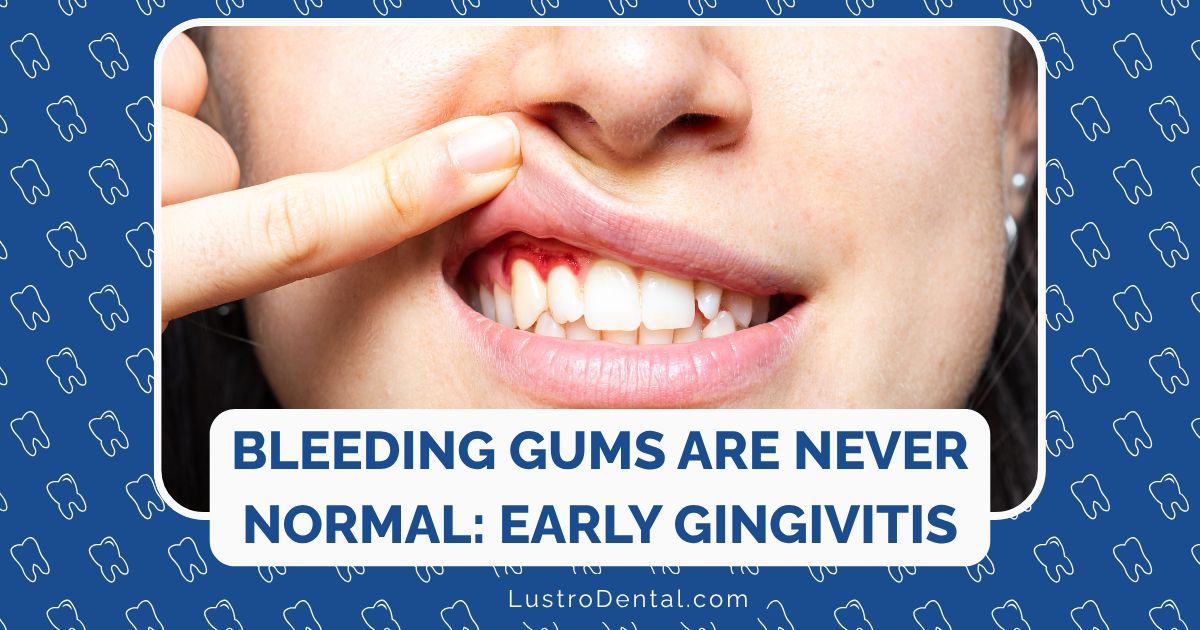
Have you ever noticed pink in the sink after brushing or flossing? If so, you’re not alone. Many people dismiss bleeding gums as a normal occurrence, especially if there’s no pain involved. But as a dental professional, I want to be clear: bleeding gums are never normal. They’re actually one of the earliest and most important warning signs of gingivitis, the initial stage of gum disease.
This early warning sign deserves your attention because gingivitis is both common and preventable. According to the Cleveland Clinic, almost half of all adults over 30 have some form of gum disease. Catching and addressing gingivitis early can prevent its progression to more serious periodontal disease, which can lead to tooth loss and has been linked to numerous systemic health conditions.
In this article, I’ll explain why your gums bleed, the early warning signs of gingivitis you should never ignore, and what you can do to restore your gum health.
Healthy gum tissue is resilient and designed to withstand the daily activities of eating and proper oral hygiene. When your gums are in good condition, they:
Think about it this way: if your hands bled every time you washed them, you’d be concerned and likely seek medical attention. The same logic should apply to your gums. Bleeding is a sign that something isn’t right.
Gingivitis is the mildest form of gum disease, characterized by inflammation of the gums. According to the American Academy of Periodontology, the good news is that gingivitis is completely reversible with professional treatment and good oral home care. However, if left untreated, it can progress to periodontitis, which can cause permanent damage to the tissues and bone supporting your teeth.
Here are the early warning signs of gingivitis you should never ignore:
This is often the first and most noticeable sign. Your gums may bleed when:
Many people incorrectly believe that bleeding while flossing means they should floss less, when in fact, the opposite is true. Consistent, proper flossing helps reduce the inflammation that causes bleeding.
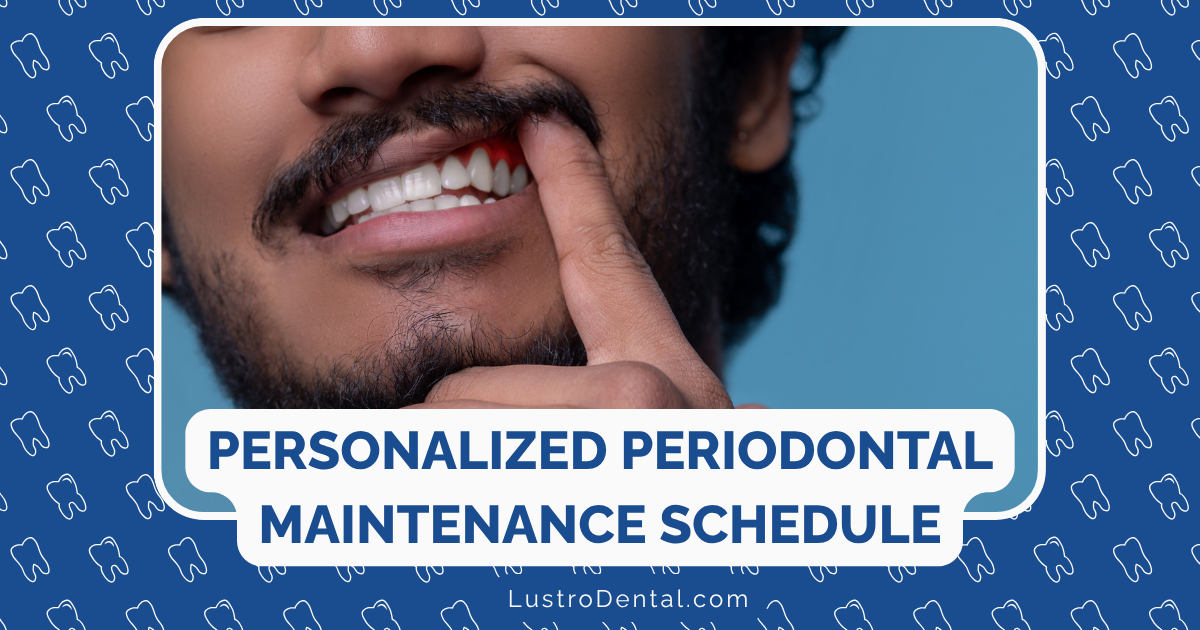
Healthy gums typically appear pink and stippled (similar to the texture of an orange peel). With gingivitis, your gums may:
These color changes indicate inflammation in response to bacterial buildup along the gum line.
Inflammation causes the gum tissues to swell. You might notice:
While gingivitis is often painless, which is why it can go unnoticed, some people experience:
The bacteria causing gingivitis can produce volatile sulfur compounds that result in:
As gingivitis progresses, you might notice:
Gum recession is a more advanced sign that gingivitis may be progressing to periodontitis.
Understanding the causes of gingivitis can help you take targeted action to prevent and treat it.
The main culprit behind gingivitis is dental plaque—a sticky, colorless film of bacteria that constantly forms on your teeth. According to the National Center for Biotechnology Information, plaque-induced gingivitis is the most common form.
When plaque isn’t removed through daily brushing and flossing:
While plaque is the primary cause, several factors can increase your risk or worsen gingivitis:
Inadequate brushing and flossing allow plaque to accumulate along the gum line.
Fluctuations in hormones can make gums more sensitive and reactive to plaque. This commonly occurs during:
According to Healthline, certain vitamin deficiencies can contribute to gum problems:
Several health conditions can increase your risk of developing gingivitis:
Certain medications can affect oral health:
Tobacco use is one of the most significant risk factors for gum disease, as it:
Family history can play a role in your susceptibility to gum disease. According to the Cleveland Clinic, up to 30% of the population may have a genetic predisposition to gum disease.
The importance of addressing bleeding gums extends beyond just maintaining a healthy mouth. Research has established strong links between periodontal disease and several serious health conditions:
According to a study published in PMC, severe periodontal disease is linked to a 25% to 90% increase in risk for cardiovascular disease. The inflammation from gum disease can:
There’s a bidirectional relationship between diabetes and periodontal disease:
Research has shown associations between periodontal disease in pregnant women and:
A study from PMC found that women with gestational diabetes were 2.6 times more likely to have periodontitis compared to those without.
Bacteria from the mouth can be aspirated into the lungs, potentially causing or worsening:
Emerging research suggests possible links between periodontal disease and cognitive conditions like Alzheimer’s disease, though more studies are needed to fully understand this connection.
The good news is that gingivitis is completely reversible. With proper care, you can restore your gums to health and prevent progression to more serious periodontal disease.
If you notice signs of gingivitis, schedule a dental appointment for:
A dental hygienist will:
For more advanced cases, this deeper cleaning:
Your dental professional will:
Effective home care is crucial for treating gingivitis and preventing its return:
Consider supplements if you’re deficient in:
Once you’ve resolved gingivitis, maintaining good habits is essential to prevent recurrence:
While gingivitis is typically not an emergency, certain symptoms warrant prompt attention:
These could indicate a more serious condition requiring immediate treatment.
Bleeding gums are your body’s way of alerting you to a problem that requires attention. Rather than ignoring this warning sign or assuming it’s normal, use it as motivation to improve your oral hygiene and seek professional care.
Remember that gingivitis is completely reversible, but only if you take action. The sooner you address the early warning signs, the easier it is to restore your gums to health and prevent more serious complications.
Your smile is too important to risk—and so is your overall health. If you notice bleeding gums or any other signs of gingivitis, schedule a dental appointment and start implementing the home care strategies outlined in this article. Your gums will thank you with years of healthy, problem-free support for your teeth.
Have you experienced bleeding gums? What steps did you take to address the issue? Share your experiences in the comments below.