Addressing Years of Dental Neglect: Where to Start
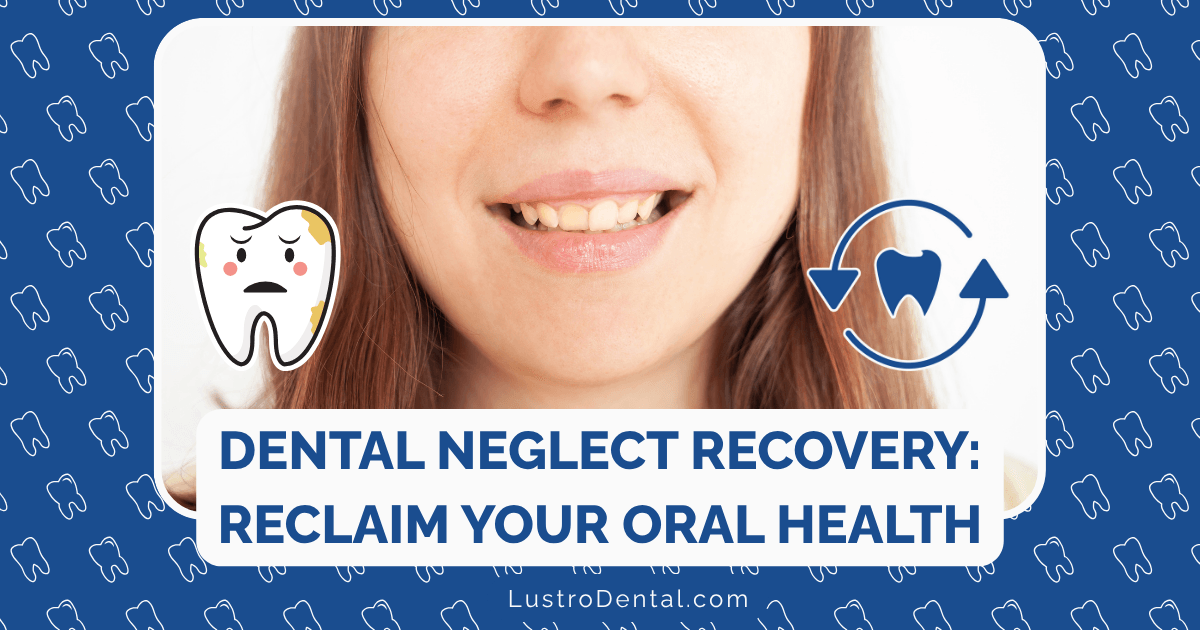
For many people, dental care falls by the wayside due to anxiety, financial constraints, lack of access to care, or simply other life priorities taking precedence. If you’ve neglected your dental health for years—or even decades—you might feel overwhelmed, embarrassed, or uncertain about how to begin addressing the situation.
The good news? Modern dentistry offers more solutions than ever before to restore oral health, even after significant neglect. This guide will help you take those crucial first steps toward reclaiming your dental health, regardless of how long it’s been since your last visit to the dentist.
Before diving into solutions, it’s important to understand what happens when dental care is neglected over time:
Common Consequences of Long-Term Dental Neglect
Tooth decay and cavities: Untreated decay can progress from small cavities to extensive damage requiring root canals or extractions
Gum disease: From mild gingivitis to severe periodontitis that damages supporting bone and leads to tooth loss
Tooth loss: Advanced decay or gum disease often results in missing teeth
Chronic bad breath: Persistent halitosis that doesn’t improve with regular brushing
Oral infections: Abscesses and other infections that can spread to surrounding tissues
Bone loss in the jaw: Deterioration of jawbone density, particularly after tooth loss
Alignment issues: Shifting of remaining teeth into empty spaces
Cosmetic concerns: Discoloration, visible decay, and changes in facial structure
Dr. Sarah Chen, periodontist at the American Academy of Periodontology, explains: “What many people don’t realize is that oral health issues don’t remain isolated to the mouth. Research has established clear connections between periodontal disease and systemic conditions like heart disease, diabetes, respiratory infections, and even certain cognitive impairments.”
Overcoming Barriers to Seeking Help
Addressing Dental Anxiety
If fear has kept you away from the dentist, you’re not alone. According to the American Dental Association, approximately 22% of Americans avoid dental care due to anxiety.
Modern solutions include:
Sedation dentistry: From mild nitrous oxide to deeper sedation options
Comfort-focused practices: Dentists who specialize in treating anxious patients
Gradual exposure: Starting with a consultation visit only, then progressing to treatment
Psychological approaches: Cognitive behavioral therapy techniques specifically for dental phobia
James Peterson, who avoided dentists for 15 years due to anxiety, shares: “I finally found a dentist who specialized in treating fearful patients. They started with just talking—no treatment at all—and gradually built up my comfort level. The sedation options made all the difference when it came time for actual work.”
Financial Considerations
Concern about costs is another major barrier. After years of neglect, dental work can seem prohibitively expensive.
Options to consider:
Dental schools: Reduced-cost care provided by supervised students
The foundation of addressing dental neglect is finding a compassionate, non-judgmental dental provider. Look for:
Dentists who advertise “gentle dentistry” or “care for anxious patients”
Practices with positive reviews specifically mentioning treatment of long-lapsed patients
Dentists offering free consultations or new patient specials
Providers who take time to explain treatment options and listen to concerns
Dr. Michael Rodriguez, restorative dentist at Comprehensive Dental Care, advises: “Be upfront when scheduling your appointment. Tell them it’s been years since you’ve seen a dentist. This allows the office to schedule adequate time and prepare appropriately for your visit.”
2. The Initial Assessment
Your first appointment will likely include:
Comprehensive examination: Visual inspection of all teeth and soft tissues
Full set of X-rays: To identify hidden decay, bone loss, and other issues
Periodontal evaluation: Measuring gum pockets to assess gum disease severity
Discussion of medical history: Including conditions that might impact treatment
Pain assessment: Identifying any areas causing immediate discomfort
Remember, this visit is primarily diagnostic—most dentists won’t pressure you into immediate treatment beyond addressing acute pain.
3. Creating a Prioritized Treatment Plan
After assessment, your dentist will develop a treatment plan, typically organized by priority:
Immediate Priorities (1-2 Weeks)
Addressing active infections and severe pain
Managing any condition that could worsen quickly
Stabilizing loose teeth that risk being lost
Short-Term Priorities (1-3 Months)
Treating moderate to severe decay
Initial periodontal therapy for gum disease
Extracting unsalvageable teeth
Medium-Term Goals (3-12 Months)
Replacing missing teeth
Completing restorative work
Addressing alignment issues
Long-Term Goals (Beyond 12 Months)
Cosmetic improvements
Maintenance therapy
Preventive care regimen
Emily Warren, who successfully recovered from 12 years of dental neglect, shares: “What helped me was breaking down the treatment into manageable phases. We focused on getting me out of pain first, then saving the teeth that could be saved, and finally replacing what was lost. It made the process feel less overwhelming.”
Treatment Options for Common Issues After Neglect
For Gum Disease (Periodontitis)
Early Intervention:
Scaling and root planing: Deep cleaning below the gumline
Antibiotic therapy: Local or systemic medications to fight infection
More frequent professional cleanings: Every 3-4 months instead of every 6
Advanced Treatment:
Periodontal surgery: To reduce pocket depths and regenerate lost tissue
Laser therapy: Less invasive treatment for moderate to severe cases
Bone grafting: Rebuilding lost jawbone to support teeth or future implants
According to a 2024 study in the Journal of Periodontology, even severe periodontal disease can be successfully treated, with 70% of patients showing significant improvement with comprehensive care.
For Extensive Decay and Damaged Teeth
Restorative Options:
Fillings: For smaller areas of decay
Crowns: For teeth with significant structural damage
Root canal therapy: For teeth with infected or inflamed pulp
Inlays and onlays: For moderate decay too extensive for fillings but not requiring full crowns
Dr. Lisa Chen, endodontist at Advanced Dental Solutions, notes: “Many patients are surprised to learn that teeth they thought were beyond saving can often be preserved with modern endodontic therapy. Even teeth with significant decay can frequently be restored to function with proper treatment.”
For Missing Teeth
Replacement Options:
Dental implants: Titanium posts that replace tooth roots, supporting crowns
Bridges: Fixed prosthetics anchored to adjacent teeth
Partial dentures: Removable replacements for multiple missing teeth
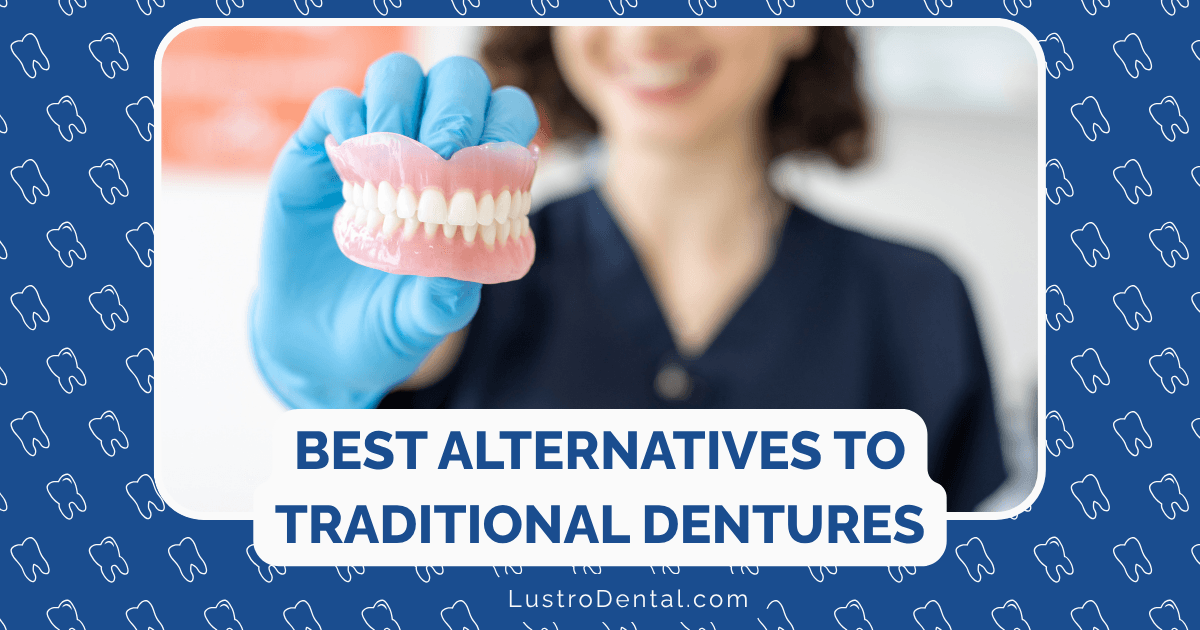
Complete dentures: Full arch replacements for all teeth
Alongside professional treatment, establishing proper home care is essential:
Starting Simple
Basic twice-daily brushing: Using fluoride toothpaste and a soft-bristled brush
Daily flossing: Even if it’s just one quadrant per day to start
Alcohol-free antimicrobial mouthwash: To reduce bacteria while healing
Interdental brushes: For cleaning larger spaces between teeth
Advancing Your Routine
Electric toothbrush: Provides more effective cleaning with less effort
Water flosser: Especially helpful for cleaning around dental work
Prescription-strength fluoride toothpaste: For remineralizing weakened enamel
Specialized tools: For cleaning around implants, bridges, or orthodontics
Taylor Martinez, dental hygienist at Preventive Dental Associates, suggests: “Start where you are. If you haven’t been brushing regularly, focus on just brushing twice daily for two weeks before adding flossing. Small, consistent steps build lasting habits.”
Managing Expectations and Celebrating Progress
Recovery from years of dental neglect is a journey, not an overnight transformation. Understanding realistic timelines can help manage expectations:
Typical Timeline for Comprehensive Dental Rehabilitation
Dr. James Wilson, prosthodontist at Restorative Dental Institute, emphasizes: “The mouth didn’t deteriorate overnight, and it won’t be restored overnight. But each appointment brings you closer to health, and many patients experience significant improvements in comfort and function quite early in the process.”
Real Success Stories: From Neglect to Recovery
Case Study: Robert, Age 42
Starting point: 15 years without dental care, severe periodontitis, 8 missing teeth, multiple teeth with decay Treatment journey:
Initial periodontal therapy and extractions of unsalvageable teeth
Partial denture as immediate replacement
Bone grafting to prepare for implants
Four dental implants placed over 8 months
Final implant-supported bridge
Outcome after 18 months: “I went from being embarrassed to smile to actually looking forward to having my picture taken. The process wasn’t always easy, but breaking it down into steps made it manageable. The improvement in my overall health was unexpected but welcome—my doctor says my blood pressure and blood sugar have both improved.”
Case Study: Maria, Age 35
Starting point: Dental phobia since childhood, 10+ years without care, extensive decay, chronic pain Treatment journey:
Initial visits with sedation to allow examination
Urgent care for infections and pain
Root canal therapy on six teeth
Crowns and fillings for remaining restorable teeth
Outcome after 12 months: “I never thought I’d say this, but I actually don’t mind going to the dentist now. The sedation helped me get through the initial treatments, and now I can handle regular cleanings with just nitrous oxide. The relief of not being in constant pain is incredible.”
Financial Navigation: Making Recovery Affordable
The cost of comprehensive dental rehabilitation after years of neglect can be significant, but there are strategies to make it more manageable:
Understanding Costs
Typical ranges for common procedures (2025 estimates):
Periodontal treatment: $800-$4,000 depending on severity
Root canal and crown: $1,500-$2,500 per tooth
Dental implant (complete): $3,000-$5,000 per tooth
Bitewing X-rays: Every 12-18 months to detect early decay
Full mouth X-rays: Every 3-5 years to evaluate bone levels and hidden issues
Protecting Your Investment
Night guards: For those who clench or grind their teeth
Sports guards: For athletic activities
Ongoing periodontal maintenance: Specialized cleanings for those with history of gum disease
Early intervention: Addressing small issues before they become major problems
The Bottom Line: It’s Never Too Late
No matter how long you’ve neglected your dental health or how severe the issues seem, modern dentistry offers pathways to improvement. The key is taking that first step—making the call, scheduling the appointment, and beginning the journey.
Dr. Emily Peterson, public health dentist at Community Dental Access, offers this encouragement: “In my 20+ years of practice, I’ve never met a patient whose mouth was beyond help. The human body has remarkable capacity for healing when given the right support. The patients who achieve the best outcomes are those who simply start the process, even if they’re terrified or embarrassed. Taking that first step is truly the hardest part.”
By addressing dental neglect with a strategic, phased approach, you can reclaim not just your oral health, but often your overall health, self-confidence, and quality of life. The journey may be longer than you’d like, but each step brings you closer to a healthier, more comfortable future.
Have you successfully addressed dental neglect in your own life? Share your experience or questions in the comments below.