🦷 General Care
✨ Treatments
👶 Family Care
💚 Wellness
💡 Resources

🦷 General Care
✨ Treatments
👶 Family Care
💚 Wellness
💡 Resources

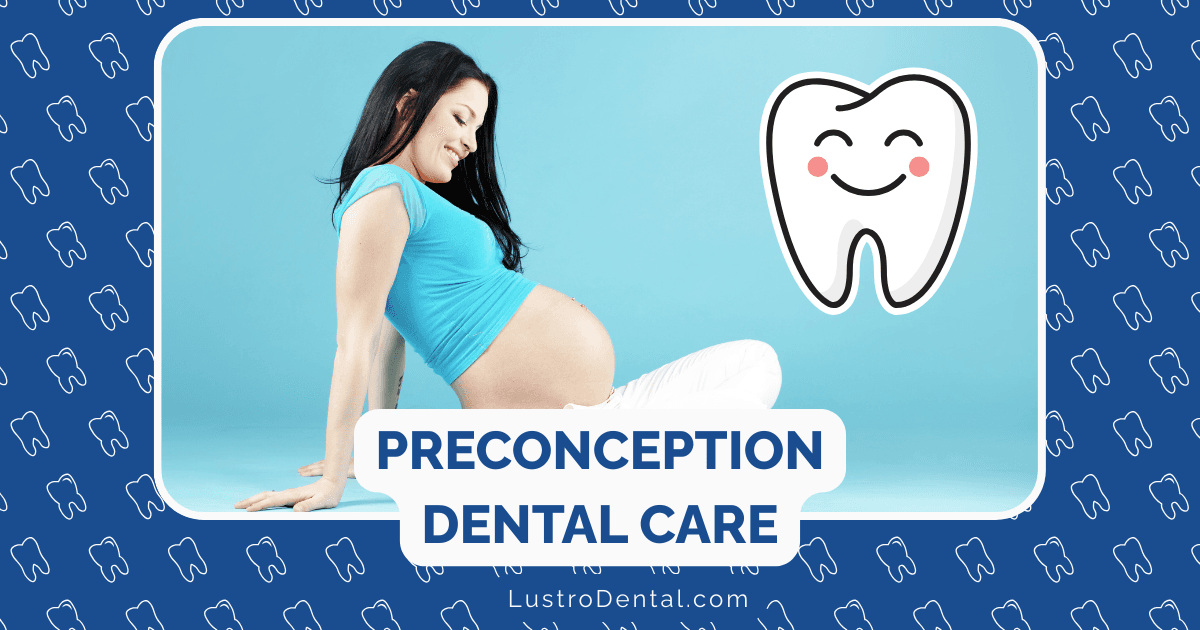
When planning for pregnancy, most people focus on prenatal vitamins, tracking ovulation, and making lifestyle changes like quitting smoking or limiting alcohol. But there’s another crucial aspect of preconception health that’s often overlooked: dental care.
As a dental health advocate who’s guided many patients through their pregnancy journeys, I can tell you that addressing oral health before conception can significantly impact both maternal wellbeing and pregnancy outcomes. Let’s explore why preconception dental care matters and what steps you should take before trying to conceive.
You might be wondering why dental health deserves special attention when you’re planning for pregnancy. The answer lies in the profound connections between oral health and overall health—connections that become even more significant during pregnancy.
Research has consistently shown that oral health problems, particularly periodontal (gum) disease, may be associated with adverse pregnancy outcomes. According to the March of Dimes, studies have established links between untreated gum disease and:
Dr. Emily Carter, a maternal-fetal medicine specialist, explains: “The bacteria associated with periodontal disease can enter the bloodstream and potentially reach the placenta, triggering inflammatory responses that may lead to pregnancy complications. Addressing these issues before conception provides the best protection.”
Pregnancy itself can exacerbate existing dental problems or create new ones due to hormonal changes. These changes can:
By addressing dental issues before pregnancy, you’re starting from a position of optimal oral health—giving you the best chance to avoid complications during those nine months.
Now that we understand why preconception dental care matters, let’s look at the specific procedures and treatments you should consider completing before trying to conceive.
Schedule a thorough dental check-up that includes:
Be sure to inform your dentist about your pregnancy plans. This allows them to prioritize treatments and develop a timeline that aligns with your conception goals.
A professional cleaning removes plaque and tartar buildup that regular brushing can’t address. If your dentist identifies signs of gum disease, they may recommend:
According to the American Academy of Periodontology, treating gum disease before pregnancy may help reduce the risk of adverse pregnancy outcomes. Don’t postpone these treatments—they’re much easier to complete before conception.
If your examination reveals cavities or other issues requiring treatment, address them promptly:
Dr. Michael Schneider of Schneider Family Dental notes: “Untreated dental decay can lead to system-wide infections, which are particularly undesirable during pregnancy. Completing necessary restorative work before conception ensures you won’t face difficult treatment decisions while pregnant.”
While not medically necessary, if you’ve been considering cosmetic dental work such as whitening, veneers, or orthodontic treatment, the preconception period may be the ideal time. Many cosmetic procedures:
Ideally, start your preconception dental care at least six months before you plan to conceive. This timeline allows for:
This approach ensures you’ve addressed all dental concerns and established optimal oral health before pregnancy.
Beyond professional dental care, the preconception period is the perfect time to establish or strengthen daily oral hygiene habits that will serve you well during pregnancy and beyond.
Develop a consistent routine that includes:
Your diet plays a crucial role in maintaining strong teeth and healthy gums. Focus on:
Limit sugary foods and acidic beverages, which can erode enamel and contribute to decay—habits that will benefit both your oral health and your future pregnancy.
Staying well-hydrated supports saliva production, your mouth’s natural defense system. Aim for at least 8-10 glasses of water daily, and consider:
Understanding your dental insurance coverage is an important aspect of preconception dental planning. Consider these steps:
If you don’t have dental insurance, research dental discount plans or community health centers that offer affordable care. Remember that investing in dental health before pregnancy may help avoid more costly complications later.
According to the American Public Health Association, women with good oral health earn 4.5% more than their peers, making dental care a worthwhile investment beyond its health benefits.
If you’ve experienced pregnancy complications in the past, particularly preterm birth or preeclampsia, paying special attention to periodontal health before your next pregnancy is especially important. Research suggests that women with chronic gum disease are 4-7 times more likely to deliver prematurely compared to those with healthy gums, according to WebMD.
If you’re undergoing fertility treatments, coordinate your dental care with your reproductive endocrinologist. Some dental procedures may need to be timed around specific fertility treatments or medication protocols.
Certain health conditions like diabetes or autoimmune disorders can affect both oral health and pregnancy outcomes. Work with both your dentist and physician to develop a comprehensive preconception plan that addresses these interconnected health concerns.
Effective communication between your dental and medical providers is essential for comprehensive preconception care. Consider these strategies:
The American Academy of Pediatric Dentistry emphasizes that oral health care should be integrated into preconception care, highlighting the need for regular dental check-ups and cleanings before conception.
As you prepare your body for the journey of pregnancy, don’t overlook the important role of oral health. By addressing dental issues before conception, establishing good oral hygiene habits, and creating a dental care plan that extends through pregnancy, you’re taking a proactive step toward protecting both your health and your future baby’s wellbeing.
Remember that optimal preconception dental care isn’t just about avoiding problems—it’s about creating the healthiest possible foundation for this exciting new chapter in your life. Your smile deserves to be as radiant as your future.
Have you taken steps to improve your dental health before pregnancy? What questions do you have about preconception dental care? Share your thoughts in the comments below.