The Compassionate Guide to Dental Care: Making Oral Health Less Intimidating
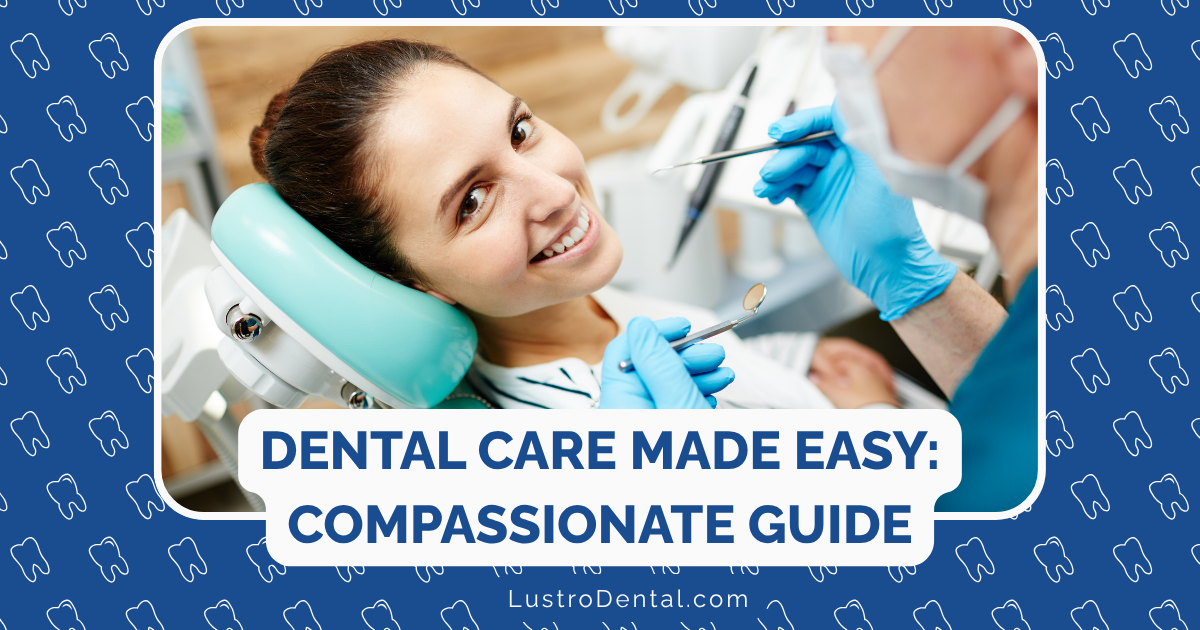
For many people, the mere thought of visiting a dentist triggers a wave of anxiety. The sound of dental tools, the clinical environment, and memories of past discomfort can create a perfect storm of fear that leads to avoiding essential dental care. If this sounds familiar, you’re not alone – studies suggest that up to 36% of people experience dental anxiety, with 12% suffering from extreme dental fear.
But what if dental care could be different? What if maintaining your oral health could become a positive, empowering experience rather than something to dread?
This guide aims to transform your relationship with dental care through compassion, understanding, and practical strategies that make oral health less intimidating. Whether you experience mild nervousness or severe dental phobia, these approaches can help you reclaim control of your dental health journey.
Understanding Dental Anxiety: The First Step Toward Healing
Before we can effectively address dental anxiety, it’s important to understand its roots. Dental fear typically stems from one or more of these common sources:
Previous Negative Experiences
Many dental anxieties begin with a painful or traumatic experience, often during childhood. These memories can create lasting impressions that trigger fear responses even decades later.
Fear of Pain
The anticipation of pain is often worse than the actual experience, especially with modern dental techniques. Yet this fear remains one of the most common barriers to seeking dental care.
Loss of Control
The dental chair can make people feel vulnerable and helpless. Having someone work inside your mouth while you cannot see what’s happening creates a significant loss of control that many find distressing.
Embarrassment
For those who haven’t maintained regular dental visits, feelings of shame about the condition of their teeth can prevent them from seeking care when they need it most.
Sensory Triggers
The distinctive sounds, smells, and sensations of a dental office can trigger anxiety responses, even in an otherwise comfortable environment.
Understanding which of these factors contribute to your personal dental anxiety is the first step toward addressing it effectively. Remember, your feelings are valid and shared by millions of others – they’re nothing to be ashamed of.
Building a Foundation of Trust: Finding the Right Dental Team
The relationship between you and your dental care providers is perhaps the most crucial element in overcoming dental anxiety. A compassionate dental team can transform your experience from frightening to reassuring.
Qualities to Look for in a Dental Provider
Patience: Providers who take time to listen without rushing you
Empathy: The ability to understand and validate your concerns
Communication skills: Clear explanations before, during, and after procedures
Adaptability: Willingness to adjust their approach based on your needs
Non-judgmental attitude: Focus on solutions rather than criticism about past dental care
How to Find a Compassionate Dental Team
Ask for recommendations from friends or family who have similar concerns
Read reviews that specifically mention how the practice handles anxious patients
Schedule a consultation visit before committing to treatment
Observe the office environment – is it calming? Does the staff seem rushed or attentive?
Be direct about your anxiety and gauge their response
During your initial visit, pay attention to how the dental team responds to your concerns. Do they dismiss them, or do they take time to address them thoughtfully? The right provider will welcome your questions and work collaboratively with you to create a comfortable experience.
Communication Strategies: Becoming an Advocate for Your Comfort
Effective communication is your most powerful tool for reducing dental anxiety. Being able to express your needs and establish boundaries helps create a sense of control in the dental environment.
Before Your Appointment
Prepare a list of questions or concerns to discuss with your dentist
Share your anxiety level honestly, using a scale of 1-10 if that helps
Discuss specific triggers that increase your anxiety (sounds, sensations, etc.)
Establish a signal (like raising your hand) that means “I need a break”
During Treatment
Ask for explanations of what’s happening at each step
Request time estimates for procedures to help manage anticipation
Use your predetermined signal whenever you need a moment
Practice deep breathing or other relaxation techniques
After Your Visit
Provide feedback about what helped and what could be improved
Acknowledge your achievement in completing the appointment
Schedule follow-up care while the positive experience is fresh in your mind
Remember, you are an active participant in your dental care, not a passive recipient. Your input is valuable and necessary for creating a positive experience.
Creating Comfort: Environmental and Sensory Strategies
The physical environment and sensory experience of dental care significantly impact anxiety levels. These practical strategies can help create a more comfortable experience:
Sensory Modifications
Noise reduction: Noise-canceling headphones with your favorite music or podcast
Visual distractions: Watching TV/videos on ceiling-mounted screens or VR headsets
Aromatherapy: Request to bring a comforting scent or essential oil
Weighted blankets: The gentle pressure can create a calming effect
Stress balls: Give your hands something to do during treatment
Timing and Scheduling
Morning appointments: Less time to build anxiety throughout the day
First appointment of the day: Minimizes waiting time and potential delays
Longer appointments: Allows for breaks and a more relaxed pace
Gradual exposure: Start with shorter, simpler visits before more complex procedures
Comfort Measures
Bring a support person: Having a trusted friend or family member present
Comfortable clothing: Loose, layered clothing you can adjust for temperature
Pillows for positioning: Neck support can reduce physical discomfort
Breaks as needed: Regular pauses to reset and regroup
Many dental practices now specifically design their environments with anxiety reduction in mind, offering amenities like massage chairs, aromatherapy, and noise-reducing headphones. Don’t hesitate to ask what comfort options are available at your dental office.
Modern Approaches to Pain Management and Anxiety Reduction
Advancements in dental technology and techniques have dramatically improved comfort during dental procedures. Understanding your options can help reduce fear and build confidence.
Pain Management Options
Topical anesthetics: Applied before injections to numb the surface
Computer-controlled anesthesia delivery: Systems like The Wand® that deliver anesthesia more comfortably
Buffered anesthetics: Formulations that reduce the burning sensation of injections
Nitrous oxide: “Laughing gas” that creates relaxation while maintaining consciousness
Oral conscious sedation: Medication taken before appointments to reduce anxiety
IV sedation: Deeper sedation for more complex procedures or severe anxiety
Anxiety-Reducing Technologies
Intraoral cameras: See what your dentist sees inside your mouth
Digital X-rays: Faster and more comfortable than traditional films
Laser dentistry: Often eliminates the need for drills in certain procedures
Air abrasion: Alternative to traditional drilling for some treatments
Psychological Approaches
Cognitive Behavioral Therapy (CBT): Working with a therapist to reframe dental experiences
Guided imagery: Visualization techniques for relaxation
Progressive muscle relaxation: Systematically tensing and relaxing muscle groups
Mindfulness practices: Focusing on the present moment rather than anticipated discomfort
Discuss these options with your dental provider to create a personalized approach to your care. Remember that what works best varies from person to person – you may need to try different combinations to find your optimal comfort level.
Supporting Your Oral Microbiome: A Gentler Approach to Dental Health
One of the most exciting developments in dental health is our growing understanding of the oral microbiome – the community of beneficial bacteria that naturally inhabit a healthy mouth. This knowledge has led to more balanced approaches to oral care that work with your body’s natural defenses rather than against them.
Understanding the Oral Microbiome
Traditional dental products often take a “scorched earth” approach, using harsh antimicrobial ingredients that kill both harmful and beneficial bacteria. We now know this can disrupt the delicate balance of the oral microbiome, potentially leading to various dental issues.
Recent research suggests that supporting beneficial oral bacteria may be just as important as eliminating harmful ones. A balanced oral microbiome helps:
One innovative approach to supporting your oral microbiome is ProDentim, an oral probiotic supplement specifically designed to restore balance to the mouth’s bacterial ecosystem. Unlike traditional oral care products that indiscriminately kill bacteria, ProDentim introduces beneficial probiotic strains that support dental health.
Each ProDentim tablet contains 3.5 billion CFUs of beneficial bacteria, including Lactobacillus paracasei, Lactobacillus reuteri, and Bifidobacterium lactis BL-04. These strains have been specifically selected for their ability to support oral health by:
Competing with harmful bacteria for space and resources
Producing substances that inhibit the growth of cavity-causing bacteria
Helping neutralize compounds that cause bad breath
For those with dental anxiety, supplements like ProDentim offer a gentle, non-invasive way to support oral health between dental visits. By maintaining a healthier oral environment daily, you may experience fewer dental issues over time, potentially reducing the need for more invasive treatments that trigger anxiety.
Gentle Home Care Practices
In addition to probiotic support, consider these microbiome-friendly approaches to daily oral care:
Choose alcohol-free mouthwashes that don’t disrupt the oral microbiome
Consider natural toothpastes with milder ingredients
Stay hydrated to support healthy saliva production
Reduce sugar consumption which feeds harmful bacteria
Add xylitol products which inhibit harmful bacteria while being gentle on beneficial ones
These approaches complement professional dental care rather than replacing it, creating a more balanced and less intimidating approach to oral health.
Creating a Positive Mindset: Psychological Strategies for Dental Visits
The mind-body connection plays a powerful role in how we experience dental care. These psychological strategies can help transform your mindset and reduce anxiety:
Reframing Dental Care
Focus on the benefits: Visualize the healthy smile and confidence that comes from dental care
View treatment as self-care: Frame dental visits as something you’re doing for yourself, not something being done to you
Celebrate small victories: Acknowledge each successful step in your dental journey
Use positive language: Replace “painful” or “scary” with “challenging” or “manageable”
Preparation Techniques
Visualization: Mentally rehearse a positive dental experience before your appointment
Progressive exposure: Gradually build comfort through shorter, less invasive appointments
Relaxation practice: Learn and practice relaxation techniques before you need them
Positive affirmations: Develop personal statements like “I am calm during dental care” or “I can handle this appointment comfortably”
During Your Visit
Mindful breathing: Focus on slow, deep breaths during treatment
Grounding techniques: Notice five things you can see, four you can touch, three you can hear, etc.
Guided imagery: Mentally transport yourself to a peaceful place
Positive reinforcement: Reward yourself after appointments to create positive associations
Many people find that working with a mental health professional who specializes in anxiety or phobias can provide additional tools and support for managing dental anxiety.
Building Consistency: Making Dental Care a Regular Part of Life
Perhaps the most powerful way to reduce dental anxiety long-term is through consistent, positive experiences with dental care. Regular preventive visits typically involve less invasive procedures and help avoid the need for more extensive treatments that can trigger anxiety.
Creating Sustainable Habits
Schedule regular check-ups: Typically every six months for most people
Book your next appointment before leaving the office
Set calendar reminders well in advance to avoid last-minute anxiety
Maintain daily oral care to reduce the need for invasive treatments
Consider supportive supplements like ProDentim to maintain oral health between visits
Tracking Progress
Keep a journal of your dental experiences and anxiety levels
Note improvements in both your anxiety and oral health over time
Celebrate successes, no matter how small they may seem
Share your progress with your dental team to reinforce positive experiences
Supporting Your Routine with ProDentim
For many people with dental anxiety, maintaining optimal oral health between visits helps reduce the need for more invasive treatments that can trigger fear. ProDentim offers a simple daily step that supports your oral health in a gentle, non-threatening way.
By taking one ProDentim tablet daily, you’re actively supporting your oral health without the anxiety that sometimes accompanies more traditional dental care. Users report benefits including:
Healthier gums with less sensitivity
Fresher breath throughout the day
Reduced plaque buildup between cleanings
Stronger teeth with less sensitivity
These improvements can make dental visits less stressful, as there’s often less need for invasive treatments when you maintain better oral health between appointments.
Special Considerations: Dental Anxiety in Children and Vulnerable Populations
Dental anxiety affects people of all ages, but certain groups may need additional support and consideration.
Children and Dental Anxiety
Start dental visits early – ideally by age one – to normalize the experience
Choose pediatric specialists trained in child-friendly approaches
Use age-appropriate explanations without scary language
Role-play dental visits at home to build familiarity
Avoid transferring your own anxiety to children
Older Adults
Address mobility concerns with accessible dental practices
Discuss medication interactions that might affect dental treatment
Consider the impact of dry mouth from medications on dental health
Explore adapted tools for those with dexterity issues
Individuals with Special Needs
Seek providers with specialized training in treating patients with special needs
Create detailed accommodation plans before appointments
Consider sensory-friendly practices that minimize triggers
Discuss sedation options when appropriate
Establish consistent routines to build familiarity and comfort
Trauma Survivors
Inform providers about trauma history if you’re comfortable doing so
Establish clear boundaries and consent processes
Consider trauma-informed dental practices specifically trained in these approaches
Work with both mental health and dental professionals for coordinated care
Remember that compassionate dental care should be accessible to everyone, regardless of their specific needs or challenges. Advocate for the accommodations you need to receive care comfortably.
The Journey Forward: Embracing Dental Health with Confidence
Overcoming dental anxiety is rarely a linear process. There may be setbacks along the way, but each positive experience builds resilience and confidence for future dental care. Here are some final thoughts to guide your journey:
Patience with the Process
Recognize progress, no matter how small
Be gentle with yourself after difficult appointments
Communicate setbacks to your dental team to adjust future approaches
Remember that healing from dental anxiety takes time
Building a Support System
Connect with others who understand dental anxiety
Share strategies that have worked for you
Consider support groups online or in person
Involve trusted friends or family in your dental care journey
Integrating Comprehensive Care
Creating a holistic approach to dental health involves multiple elements working together:
Finding compassionate dental professionals who understand anxiety
Developing effective communication strategies to advocate for your needs
Utilizing comfort measures that address sensory concerns
Exploring appropriate pain management options for procedures
Practicing psychological techniques to manage anxiety responses
Maintaining consistency with both professional care and home routines
By addressing each of these aspects, you can transform dental care from a feared experience to a manageable and even positive part of your healthcare routine.
Conclusion: Your Dental Health Deserves Compassion
Dental anxiety is a real and significant challenge that deserves to be addressed with understanding and empathy. By acknowledging your fears, finding the right support, and implementing the strategies outlined in this guide, you can begin to transform your relationship with dental care.
Remember that caring for your oral health is an act of self-compassion. You deserve dental care that respects both your physical and emotional needs. With the right approach, dental health can become an empowering part of your overall wellbeing rather than a source of fear and avoidance.
Consider incorporating supportive products like ProDentim into your daily routine as part of a gentle, comprehensive approach to oral health. By maintaining better oral health between visits, you may find that dental appointments become progressively less stressful and more positive over time.
Your journey toward comfortable dental care may have challenges, but you don’t have to face them alone. With compassionate dental professionals, effective strategies, and supportive products, you can reclaim your dental health with confidence and peace of mind.
Have you overcome dental anxiety or found strategies that work for you? Share your experience in the comments below to help others on their journey toward comfortable dental care.