🦷 General Care
✨ Treatments
👶 Family Care
💚 Wellness
💡 Resources

🦷 General Care
✨ Treatments
👶 Family Care
💚 Wellness
💡 Resources

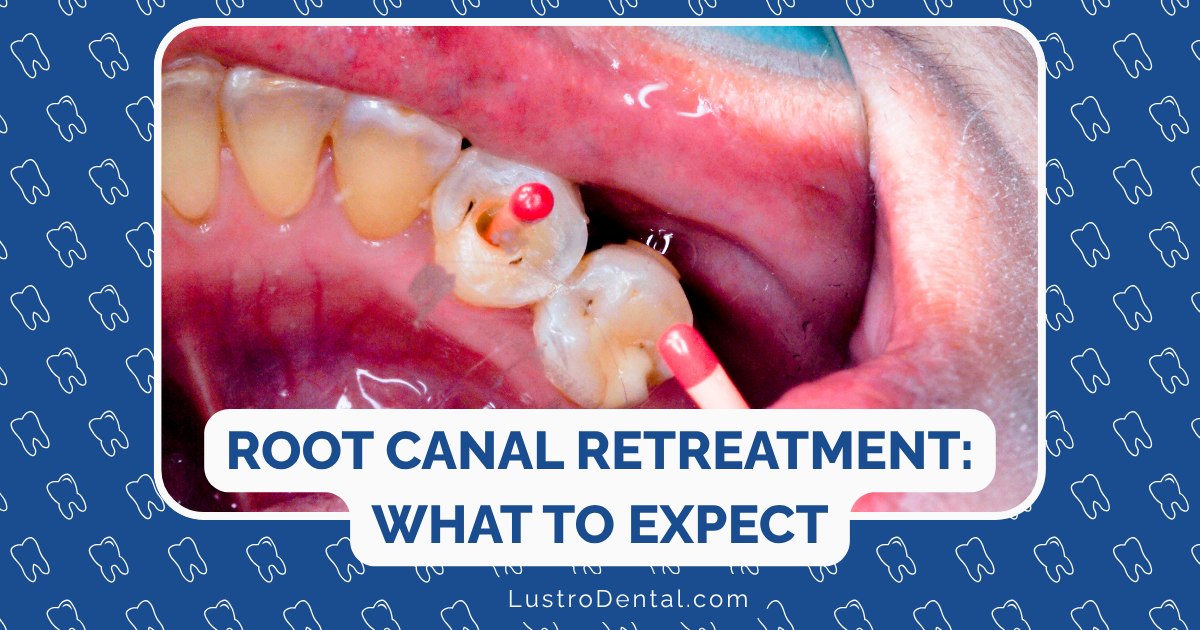
Learning that a previous root canal treatment needs to be redone can be disappointing and concerning. You’ve already been through the procedure once, and now you’re facing it again. It’s natural to have questions about what retreatment involves, why it’s necessary, and what you can expect during the process.
As someone who’s guided many patients through endodontic retreatment, I understand these concerns. In this comprehensive guide, I’ll walk you through the entire retreatment process—from diagnosis to recovery—to help you feel more informed and at ease about the procedure ahead.
Root canal retreatment is essentially a do-over of a previous root canal procedure. It involves reopening the tooth, removing the existing filling material, addressing any issues that caused the initial treatment to fail, and then refilling and resealing the canals.
According to the American Association of Endodontists, “Teeth that have undergone root canal treatment can last a lifetime with proper care.” However, sometimes healing doesn’t occur as expected, and retreatment becomes necessary to save the tooth.
Understanding why your initial root canal didn’t succeed can help you appreciate the importance of retreatment. Here are the most common reasons a previous root canal might need to be redone:
Some teeth have intricate canal systems with branches, curves, or additional canals that may have been missed during the initial treatment. Dr. Sarah Johnson, endodontist at Soft Touch Endodontics, explains: “Even with advanced imaging, extremely narrow or curved canals can sometimes be difficult to detect and treat completely the first time around.”
If the canals weren’t thoroughly cleaned or properly filled during the initial procedure, bacteria may have remained or re-entered the canal system, leading to persistent infection.
According to a study published in Nature, “The restorative status of a tooth is crucial for achieving an optimal coronal seal.” If a permanent restoration (filling or crown) wasn’t placed promptly after the root canal, or if it doesn’t provide an adequate seal, bacteria can recontaminate the canal system.
Even a perfectly performed root canal can be compromised by:
In some cases, resistant bacteria may have survived the initial treatment despite best efforts, particularly in teeth with complex anatomy or severe infection.
How do you know if your previous root canal needs to be redone? Here are common indicators:
If you experience any of these symptoms, it’s important to consult with your dentist or endodontist promptly. Early intervention typically leads to better outcomes.
Understanding what happens during retreatment can help alleviate anxiety about the procedure. Here’s a detailed look at what you can expect:
What happens: Your endodontist will conduct a thorough examination, including:
What you’ll experience: This initial consultation is non-invasive and focuses on gathering information. Your endodontist will explain their findings and recommendations, answer your questions, and address any concerns you may have.
What happens: Before beginning the retreatment:
What you’ll experience: The anesthesia process is similar to other dental procedures—you’ll feel a pinch from the injection, but the area will quickly become numb. The rubber dam placement is painless and helps ensure a comfortable, safe procedure.
What happens: The endodontist will:
What you’ll experience: This part of the procedure is performed under anesthesia, so you shouldn’t feel pain. You may hear instruments working and feel some pressure or vibration, but these sensations are normal and not cause for concern.
What happens: Once the canals are accessible, the endodontist will:
What you’ll experience: This part of the procedure is also performed under anesthesia. It’s typically the most time-consuming portion of retreatment, especially if the canals are calcified (narrowed) or if there are other complications to address.
What happens: After cleaning and shaping:
What you’ll experience: This final phase of the active procedure is straightforward and performed while you’re still numb. Your endodontist may take a final X-ray to verify that the filling material is properly placed.
What happens: After the retreatment is complete:
What you’ll experience: The restoration process may be completed by your general dentist in a separate appointment. This is a crucial step in ensuring the long-term success of your retreatment.
The recovery process after root canal retreatment is generally similar to that of an initial root canal, though some patients report slightly more discomfort due to the more complex nature of the procedure.
What to expect:
Managing recovery:
What to expect:
Managing recovery:
What to expect:
Managing recovery:
According to Twin Oaks Family Dental, “The healing process after a root canal re-treatment typically takes one to four weeks,” though complete healing of the bone around the root can take longer.
One of the most common questions patients have is about the likelihood of success with retreatment. Recent research provides encouraging data:
Several factors influence the success of retreatment:
Dr. Michael Chen, endodontic researcher, notes: “With modern techniques and materials, we can successfully retreat many cases that would have been considered hopeless in the past. The key is proper case selection and realistic expectations.”
While retreatment is often the preferred approach for saving a tooth with a failed root canal, it’s not the only option. Your endodontist may discuss these alternatives depending on your specific situation:
If retreatment isn’t possible or likely to succeed, an apicoectomy may be recommended. This surgical procedure:
Modern microsurgical techniques have improved the success rates of this procedure significantly.
In some cases, removing the tooth may be the most appropriate option, particularly if:
If extraction is necessary, replacement options include:
This less common procedure involves:
This is typically considered only in very specific circumstances when other options aren’t viable.
When deciding whether to proceed with retreatment, consider:
Dr. Lisa Wong, endodontist at Canyon Ridge Endodontics, advises: “The decision should be individualized based on your specific clinical situation, overall dental health, and personal preferences. A thorough discussion with your endodontist can help you make the choice that’s right for you.”
To ensure the smoothest possible experience, consider these preparation tips:
Root canal retreatment typically costs more than initial treatment due to its increased complexity and the additional time required. Here are some financial considerations:
According to the AAE, “The cost to retreat a tooth is generally higher than the cost of initial treatment,” but many patients find the investment worthwhile to save their natural tooth.
Root canal retreatment offers a valuable second chance to save a tooth that continues to cause problems despite previous endodontic therapy. With modern techniques, specialized equipment, and the expertise of skilled endodontists, retreatment has become a predictable and effective procedure with good long-term outcomes.
While facing retreatment may feel discouraging, remember that the goal remains the same: to relieve pain, eliminate infection, and preserve your natural tooth for years to come. By understanding what the process entails and what to expect during recovery, you can approach retreatment with confidence and realistic expectations.
If you’re experiencing symptoms that suggest your root canal may have failed, don’t hesitate to seek evaluation from an endodontist. Early intervention typically leads to better outcomes and can help you avoid more complex or costly treatments down the road.
Have you experienced root canal retreatment? Do you have questions about the process? Share your thoughts or concerns in the comments below, and we’ll address them in a future post!