Preventive Focus in Your 30s and 40s: Avoiding Major Dental Work Later
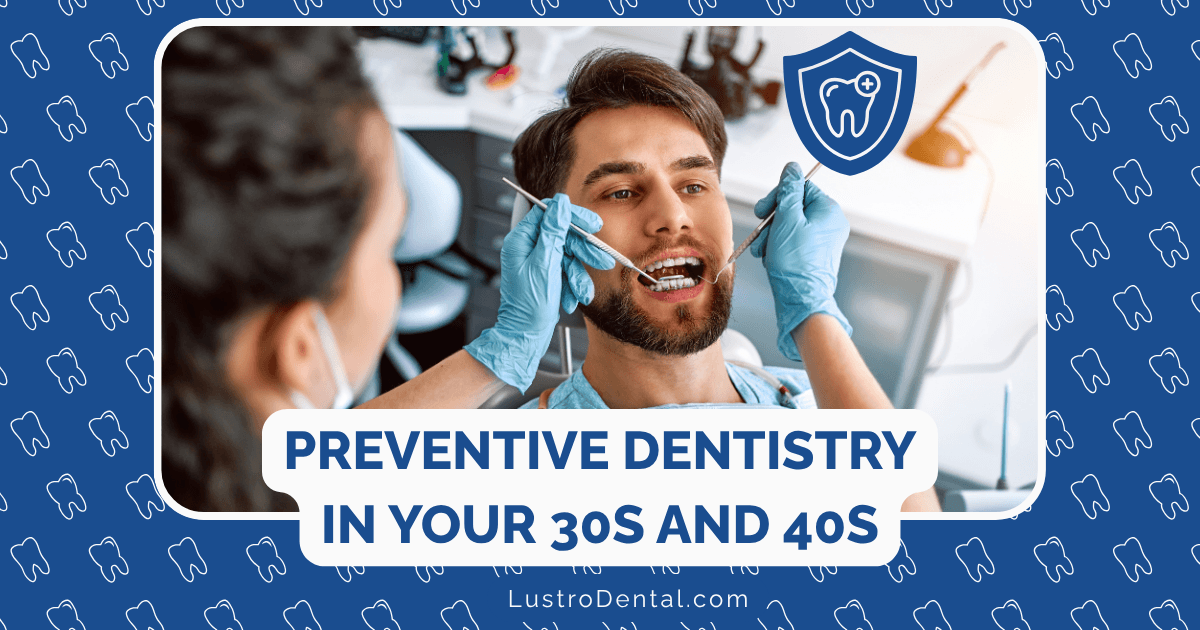
Your 30s and 40s are pivotal decades for dental health. While you may have skated by with minimal dental issues in your 20s, these middle decades often reveal the cumulative effects of your oral health habits—both good and bad. The preventive choices you make now can dramatically influence whether you’ll face extensive (and expensive) dental work in your 50s, 60s, and beyond.
This guide offers a comprehensive preventive dentistry strategy tailored specifically for adults in their 30s and 40s, helping you protect your smile for decades to come.
Dr. Sarah Chen, preventive dentistry specialist at the American Dental Association, notes: “The dental decisions made in your 30s and 40s often determine whether you’ll keep your natural teeth throughout your lifetime. These are the decades when prevention truly pays dividends.”
Common Dental Issues That Begin or Accelerate in Your 30s and 40s
Understanding what you’re preventing can help motivate consistent care:
1. Periodontal (Gum) Disease
According to the CDC, nearly half (46%) of all adults aged 30 years and older show signs of gum disease. By age 45, this number climbs even higher.
Why it matters: Left untreated, periodontal disease is the leading cause of adult tooth loss. It’s also been linked to serious health conditions including heart disease, diabetes complications, and certain cancers.
2. Cracked Teeth and Failing Restorations
Your 30s and 40s often reveal problems with older dental work and weakened tooth structures.
Why it matters: Small cracks can quickly progress to fractured teeth requiring crowns or even extractions. Failing fillings can allow new decay to develop beneath them, potentially leading to root canals.
3. Root Decay
Unlike the cavity-prone years of childhood that affect mainly the chewing surfaces, adults in their 30s and 40s become increasingly susceptible to decay at the roots.
What to look for:
Sensitivity near the gumline
Discoloration at the tooth/gum junction
Pain when consuming acidic foods
Why it matters: Root decay progresses faster than crown decay due to thinner protection and can quickly reach the nerve, necessitating root canal therapy.
4. Tooth Wear and Erosion
Decades of use begin to show on tooth surfaces during these years.
Signs of concern:
Flattened or shortened teeth
Increased translucency at the edges of front teeth
Yellowing (as thinner enamel reveals the dentin beneath)
Why it matters: Significant wear can alter your bite, lead to sensitivity, and eventually require extensive restoration with crowns or veneers.
Your Comprehensive Prevention Strategy
Professional Care: Beyond the Basics
1. Strategic Cleaning Schedule
The standard six-month cleaning interval isn’t one-size-fits-all. In your 30s and 40s, personalization becomes crucial.
Recommendations:
Low risk profile: Healthy gums, excellent home care, no systemic conditions → Every 6 months
Moderate risk: Early gum inflammation, some buildup, conditions like diabetes → Every 3-4 months
High risk: Active periodontal disease, heavy buildup, multiple risk factors → Every 2-3 months
Dr. Michael Rodriguez, periodontist at Periodontal Health Institute, explains: “The cleaning frequency should match your individual risk factors. For many adults in their 30s and 40s, more frequent cleanings can prevent the progression from gingivitis to periodontitis, potentially saving their teeth.”
2. Comprehensive Examinations
Beyond the standard check-up, adults in these decades benefit from:
Periodontal probing: Measuring the depth of gum pockets to catch early disease
Bite analysis: Identifying wear patterns and potential TMJ issues
Gentle circular motions rather than sawing back and forth
Emily Warren, dental hygienist at Preventive Dental Associates, advises: “Many of my patients in their 30s and 40s are surprised to learn they’ve been brushing incorrectly their entire lives. Simple technique corrections can make a tremendous difference in preventing gum recession and enamel wear.”
2. Interdental Cleaning Evolution
Flossing remains essential, but adults in their 30s and 40s often benefit from additional tools:
Water flossers: Particularly effective for cleaning around bridges, implants, and orthodontic work
Interdental brushes: For larger spaces between teeth or exposed roots
Floss picks with handles: For better access to back teeth
Expanding floss: Designed to clean larger spaces more effectively
3. Targeted Product Selection
Your 30s and 40s are the time to move beyond generic dental products to those addressing your specific needs:
Toothpaste for sensitivity: Contains compounds that block pain signals from exposed dentin
High-fluoride options: Prescription-strength for those with recurring decay
Anti-gingivitis formulations: Containing antibacterial ingredients for early gum issues
Enamel-strengthening products: With ingredients that remineralize weakened areas
Lifestyle Modifications: Small Changes, Big Impact
1. Dietary Adjustments
What you eat and drink significantly impacts your dental health, especially as enamel naturally thins with age:
Hydration tracking: Ensuring adequate daily water intake to maintain saliva flow
James Peterson, nutritional consultant at Integrated Health Solutions, notes: “Many adults don’t realize that chronic mild dehydration significantly increases their cavity risk. Adequate hydration supports saliva production, your body’s natural defense against decay.”
3. Stress Management for Dental Health
Stress manifests in your mouth more than you might realize:
Awareness of clenching/grinding: Conscious relaxation of jaw muscles throughout the day
Sleep hygiene: Improving sleep quality to reduce nighttime grinding
Stress reduction techniques: Meditation, exercise, or other methods to lower overall stress
Investment Analysis: The Financial Case for Prevention
For adults in their 30s and 40s often juggling multiple financial priorities, understanding the economics of prevention can be motivating:
Cost Comparison: Prevention vs. Treatment
Preventive Care (Annual):
Two professional cleanings: $200-400
Comprehensive exam with X-rays: $150-300
High-quality electric toothbrush: $100-200 (amortized over several years)
Professional fluoride treatments: $20-50 each
Night guard for grinding: $300-500 (lasting 3-5 years)
Dr. Lisa Chen, dental economist at Dental Economics Institute, explains: “The math is clear—preventive dentistry in your 30s and 40s typically costs 10-20% of what major restorative work costs in your 50s and beyond. It’s one of the best returns on investment in healthcare.”
Personalized Prevention Plans by Risk Category
For Adults with Minimal Previous Dental Work
If you’ve been fortunate to reach your 30s or 40s with few fillings and healthy gums:
Focus areas:
Maintaining excellent habits
Addressing enamel wear from acidic foods
Preventing dry mouth as you age
Early intervention for any grinding/clenching
Recommended prevention schedule:
Professional cleanings every 6 months
Comprehensive exam with bitewing X-rays annually
Full mouth X-rays every 3-5 years
Consider fluoride treatments annually
For Adults with Multiple Restorations
If you have several fillings, crowns, or other dental work:
Focus areas:
Monitoring existing restorations for failure
Preventing secondary decay around fillings
Strengthening remaining natural tooth structure
Extra attention to gum health around dental work
Recommended prevention schedule:
Professional cleanings every 4 months
Comprehensive exam with bitewing X-rays every 6-12 months
Full mouth X-rays every 3 years
Fluoride treatments 2-4 times annually
For Adults with Early Periodontal Issues
If you’re showing signs of gum inflammation or early bone loss:
Focus areas:
Aggressive plaque control
Reducing inflammation
Preventing attachment loss
Monitoring for systemic health connections
Recommended prevention schedule:
Professional cleanings every 3 months
Periodontal evaluations every 6 months
Comprehensive exam with vertical bitewing X-rays annually
Consider antimicrobial treatments between visits
Special Considerations for Your 30s and 40s
Pregnancy and Oral Health
For women experiencing pregnancy during these decades:
Increased cleaning frequency: Consider adding an extra cleaning during pregnancy
Prompt treatment of inflammation: Addressing any gum issues quickly
Open communication: Informing your dental team about pregnancy as soon as possible
Timing of care: Second trimester is generally ideal for non-emergency treatment
Career Demands and Dental Care
For adults with demanding professional lives:
Early morning or late evening appointments: Many dental offices now offer extended hours
Block scheduling: Booking multiple family members consecutively
Technology utilization: Exploring teledentistry options for consultations
Workplace dental benefits: Fully understanding and utilizing your coverage
Caring for Aging Parents While Maintaining Your Own Health
For those in the “sandwich generation”:
Coordinated appointments: Scheduling your care alongside parents’ appointments
Shared transportation: Making efficient use of time and resources
Family-friendly dental practices: Finding providers who can treat multiple generations
Caregiver resources: Accessing support for managing multiple health responsibilities
Real-Life Success Stories: Prevention in Action
Case Study: Michael, 38
Starting point: Several old fillings from childhood, beginning to show signs of wear and leakage. Early morning teeth sensitivity.
Preventive approach adopted:
Upgraded to electric toothbrush with pressure sensor
Switched to high-fluoride toothpaste at night
Added water flosser to daily routine
Scheduled cleanings every 4 months
Obtained custom night guard for mild grinding
Five-year outcome: Only one filling needed replacement, sensitivity resolved, and gum health improved. Estimated savings of $4,800 in avoided major dental work.
Case Study: Jennifer, 42
Starting point: Early signs of gum recession, one root canal already completed, high-stress job with irregular hours.
Preventive approach adopted:
Scheduled first morning appointment every 3 months for cleanings
Implemented stress-reduction techniques to reduce clenching
Added prescription-strength fluoride rinse before bed
Obtained custom-fitted athletic mouthguard for running
Five-year outcome: No additional root canals needed, recession stabilized, and overall dental anxiety reduced. Estimated savings of $7,200 in avoided periodontal treatment and additional root canals.
Technology and Tools to Support Prevention
Digital Monitoring
Smart toothbrushes: Track brushing habits and provide real-time feedback
Phone apps: Remind you of cleaning techniques and dental appointments
Intraoral cameras: Allow you to see problem areas your dentist identifies
Preventive-Focused Products
Prescription-strength remineralizing pastes: Available through your dentist
Professional-grade water flossers: More effective than consumer models
Custom-formulated mouthrinses: Tailored to your specific oral bacteria
Taylor Martinez, dental technology specialist at Dental Innovation Center, advises: “The best technology is the one you’ll actually use consistently. Find tools that fit seamlessly into your daily routine rather than those requiring significant habit changes.”
The Bottom Line: Your Action Plan
Immediate Steps (Next 30 Days)
Schedule a comprehensive exam: If it’s been more than a year since your last visit
Evaluate your home care tools: Consider upgrading your toothbrush, floss, and other products
Track your habits: Monitor brushing time, flossing consistency, and dietary patterns
Address any existing pain: Don’t postpone care for teeth that are already symptomatic
Medium-Term Goals (3-6 Months)
Complete any recommended treatment: Address issues while they’re still minor
Establish optimal cleaning frequency: Work with your dental team to determine your ideal schedule
Maintain consistent care: Both professional and home-based
Reassess regularly: Your needs will evolve even within these decades
Stay informed: Dental recommendations and technologies continue to advance
Think beyond teeth: Remember the connection between oral health and overall wellness
Dr. James Wilson, preventive dentistry advocate at Comprehensive Dental Institute, summarizes: “The patients I see in their 60s and 70s with healthy, natural smiles aren’t there by luck—they’re there because of the preventive decisions they made in their 30s and 40s. Your future self will thank you for the attention you give your dental health today.”
By implementing a comprehensive preventive strategy during these crucial decades, you’re not just avoiding major dental work later—you’re investing in your overall health, confidence, and quality of life for years to come.
How have you prioritized preventive dental care in your 30s and 40s? Share your experiences or questions in the comments below!