🦷 General Care
✨ Treatments
👶 Family Care
💚 Wellness
💡 Resources

🦷 General Care
✨ Treatments
👶 Family Care
💚 Wellness
💡 Resources

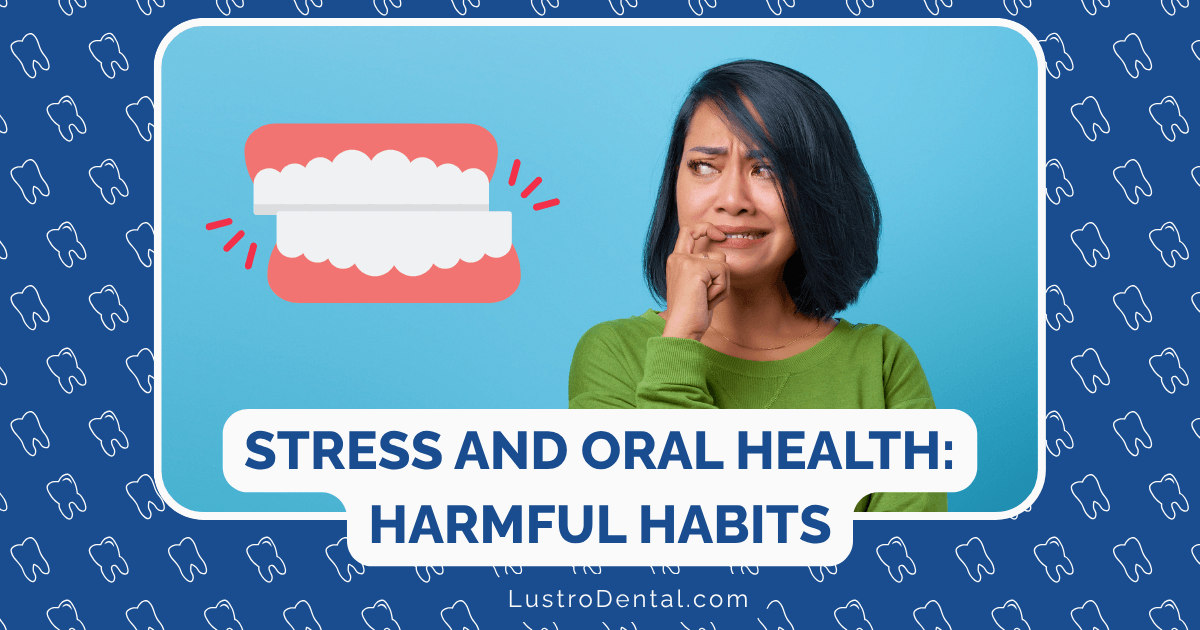
In our fast-paced modern world, stress has become an unwelcome companion for many of us. While we often associate stress with mental health challenges and conditions like high blood pressure, its impact on our oral health remains largely overlooked. As a dental health advocate, I’ve witnessed firsthand how stress manifests in harmful oral habits that can have serious, long-lasting consequences for dental health.
The mouth often serves as a mirror reflecting our emotional state, with stress-induced behaviors silently damaging our teeth, gums, and surrounding structures. Let’s explore the complex relationship between stress and oral health, and most importantly, what you can do to protect your smile even during life’s most challenging moments.
Stress triggers a cascade of physiological responses in our bodies—from increased cortisol production to muscle tension—all of which can directly and indirectly affect our oral health. According to research published by the National Center for Biotechnology Information, psychological stress contributes to poor oral health through multiple pathways, creating a complex web of cause and effect.
When we experience stress, our bodies enter a “fight or flight” response, releasing hormones that prepare us to face perceived threats. This biological response can:
A 2025 study by Delta Dental found that individuals with chronic stress were 37% more likely to develop significant oral health problems compared to those with lower stress levels. This striking statistic underscores the importance of addressing stress as part of comprehensive dental care.
Let’s examine the most prevalent stress-induced oral behaviors and understand their potential impact on your dental health:
Perhaps the most common stress-related oral habit, bruxism affects up to 31% of adults, with stress being the primary trigger in most cases.
The Behavior: During periods of stress, many individuals unconsciously clench their jaw muscles or grind their teeth, particularly during sleep when conscious control is absent. The jaw muscles are exceptionally powerful, capable of exerting up to 250 pounds of force on the teeth.
The Consequences:
Dr. Michael Chen, a leading TMJ specialist, notes: “Many patients don’t realize they’re grinding their teeth until significant damage has occurred. The force generated during nighttime grinding can be up to three times greater than during normal chewing activities.”
Stress often manifests in repetitive behaviors focused on the mouth and surrounding areas.
The Behavior: Nail biting, lip chewing, cheek biting, and other oral fixations tend to increase during periods of anxiety or stress as self-soothing mechanisms.
The Consequences:
Stress directly affects saliva production, a critical component of oral health.
The Behavior: During stress, the body’s sympathetic nervous system activates, potentially reducing saliva flow. Additionally, rapid, shallow breathing through the mouth (common during anxiety) can dry oral tissues.
The Consequences:
According to the PH Dental research from 2025, individuals experiencing chronic stress are 28% more likely to report symptoms of dry mouth compared to the general population.
Stress often drives changes in eating habits that impact oral health.
The Behavior: Many people turn to comfort foods during stressful periods—typically items high in sugar, simple carbohydrates, and acids. Additionally, stress may increase consumption of caffeine, alcohol, and tobacco products.
The Consequences:
Perhaps most concerning is how stress impacts our daily self-care routines.
The Behavior: During high-stress periods, individuals often neglect or rush through basic oral hygiene practices like brushing, flossing, and regular dental visits.
The Consequences:
The good news is that with awareness and proactive measures, you can protect your oral health even during life’s most stressful chapters. Here’s a comprehensive approach:
Self-awareness is the first step toward change. Monitor yourself for these warning signs:
Your dentist is your ally in addressing stress-related oral habits:
For bruxism, a professionally fitted night guard creates a protective barrier between upper and lower teeth, preventing damage from grinding and reducing muscle strain. According to Gateway Family Dentist, custom guards are significantly more effective than over-the-counter options, providing better protection and comfort.
Maintaining consistent dental check-ups is especially important during stressful periods. Your dentist can identify early signs of grinding, erosion, or gum inflammation before they cause significant damage.
If stress has already caused dental damage, modern restorative options like bonding, veneers, or crowns can repair affected teeth and prevent further deterioration.
Addressing the root cause—stress itself—is essential for long-term oral health:
Research published in the Journal of Dental Research shows that regular mindfulness practice can reduce bruxism episodes by 70% in some individuals by lowering overall muscle tension and stress hormones.
Try this: The “5-5-5” breathing technique. Inhale for 5 seconds, hold for 5 seconds, and exhale for 5 seconds. Practice for just 5 minutes daily, paying special attention to relaxing your jaw muscles during the exercise.
Regular exercise reduces stress hormones while releasing endorphins—natural mood elevators. Even moderate activity like walking can significantly lower stress levels.
For severe stress-related oral habits, working with a mental health professional trained in CBT can help identify triggers and develop healthier coping mechanisms.
Quality sleep reduces stress and the likelihood of nighttime grinding. Create a consistent sleep schedule and a relaxing bedtime routine free from screens and stimulants.
Different stress-related habits require tailored strategies:
What you eat affects both stress levels and oral health:
Focus on whole foods rich in omega-3 fatty acids, antioxidants, and vitamin C, which support gum health and reduce inflammation.
Reduce consumption of caffeine, alcohol, and refined sugars, which can exacerbate stress and anxiety while damaging teeth.
Magnesium has been shown to help relax muscles and may reduce teeth grinding in some individuals. Vitamin B complex can help the body manage stress more effectively.
For many individuals, stress-related oral habits occur alongside other health concerns that require special attention:
People with diagnosed anxiety disorders often experience heightened dental anxiety, creating a challenging cycle where fear prevents necessary treatment, worsening oral health problems.
Strategies:
Depression can significantly impact motivation for self-care, including oral hygiene. According to a 2025 study, individuals with depression were three times more likely to neglect regular brushing and dental appointments.
Strategies:
Many medications prescribed for stress, anxiety, or depression can cause dry mouth, increasing risk for decay and gum disease.
Strategies:
Many individuals have successfully overcome the dental consequences of stress through comprehensive approaches:
Case Study: Jennifer’s Journey
Jennifer, a 42-year-old marketing executive, had been grinding her teeth for years due to work-related stress. After fracturing two molars and developing persistent TMJ pain, she committed to a comprehensive approach:
Within six months, Jennifer’s dentist noted no new damage to her teeth, her TMJ pain had resolved by approximately 80%, and she reported feeling more in control of both her stress and her oral health.
The relationship between stress and oral health represents a fascinating intersection of psychology and physiology—a powerful reminder that our mental and physical well-being are inextricably linked. By recognizing stress-related oral habits early and implementing targeted interventions, you can protect your dental health even during life’s most challenging periods.
Remember that addressing these issues requires patience and compassion for yourself. Small, consistent steps toward better stress management and oral care will yield significant benefits over time.
Your dental health deserves attention and care, especially during stressful times. By understanding the connection between your emotional state and oral habits, you can break destructive cycles and preserve your smile for years to come.
Have you noticed changes in your oral health during stressful periods? What strategies have worked for you? Share your experiences in the comments below.