🦷 General Care
✨ Treatments
👶 Family Care
💚 Wellness
💡 Resources

🦷 General Care
✨ Treatments
👶 Family Care
💚 Wellness
💡 Resources

For those in recovery from alcohol use disorder, rebuilding physical health is a critical component of the journey. While many focus on liver function, cardiovascular health, and mental wellbeing, oral health often remains an overlooked casualty of heavy alcohol consumption. Yet, the damage to teeth, gums, and oral tissues can be extensive—and addressing these issues is not just about aesthetics, but about supporting overall health and recovery success.
Before diving into recovery strategies, it’s important to understand exactly how alcohol impacts oral health. According to research from the RDH Magazine, alcohol’s effects on the mouth are multifaceted and significant:
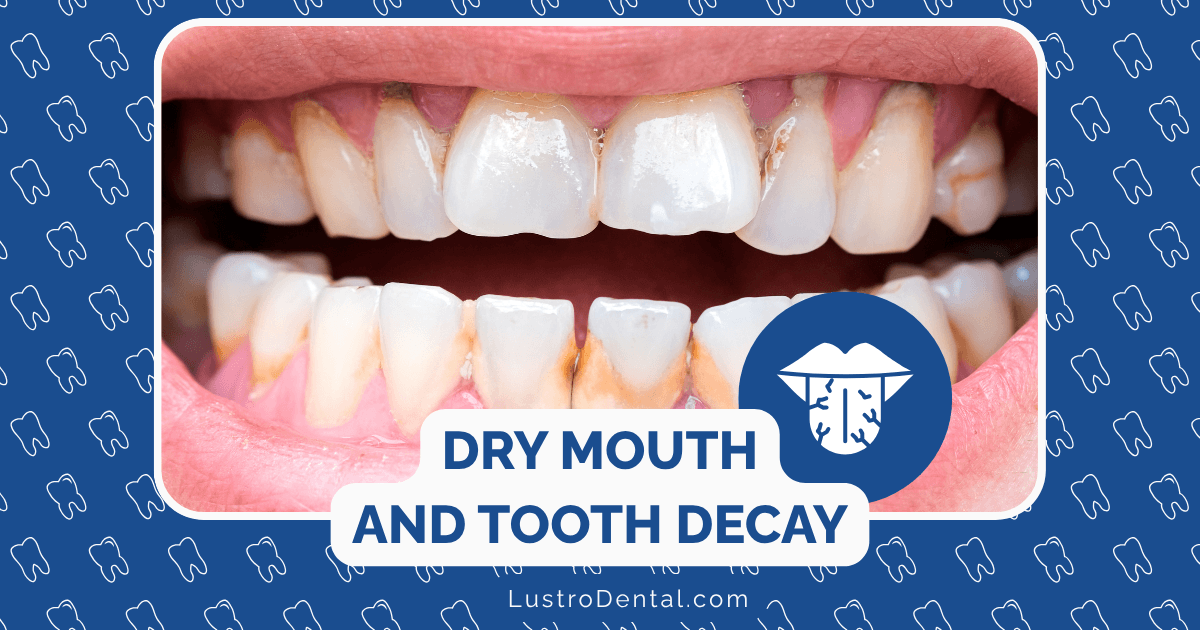
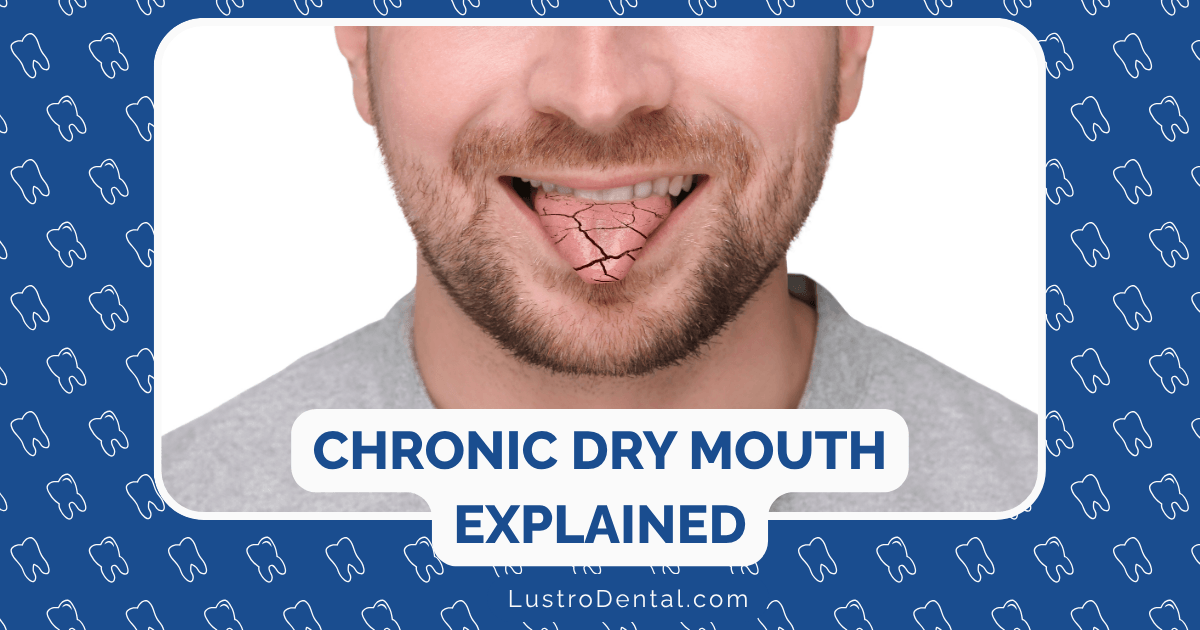
Alcohol acts as a powerful diuretic, reducing saliva production and leading to chronic dry mouth. This isn’t just uncomfortable—saliva plays a crucial protective role by:
Without adequate saliva, the mouth becomes a perfect environment for bacterial growth, accelerating decay and gum disease.
Alcohol consumption is an independent risk factor for periodontal disease. It impairs immune function and increases inflammation in the gum tissues, creating a double threat:
According to Harris House, this combination makes gum disease a common and serious concern among those with a history of heavy alcohol use.
Multiple mechanisms contribute to increased decay and erosion:
Research indicates that alcohol can erode and alter existing dental work, particularly composite (tooth-colored) fillings. This promotes bacterial adhesion and secondary decay around fillings, crowns, and other restorations.
Perhaps most seriously, alcohol is classified as a Group 1 carcinogen by the International Agency for Research on Cancer. Regular consumption significantly increases the risk of oral and throat cancers, with the risk rising with the amount consumed.
Rebuilding oral health after alcohol abuse is a process that unfolds over time. Here’s what you can typically expect:
During this initial period, the body begins to recover from alcohol’s acute effects:
This phase is primarily about stabilization and beginning basic oral hygiene practices.
As the body adjusts to sobriety, several positive changes typically occur:
During this period, many people are ready for initial dental assessments and non-invasive treatments.
With continued sobriety and dental care:
This phase often includes more comprehensive dental treatments as the mouth becomes healthier and better able to respond to interventions.
With sustained sobriety and ongoing care:
According to the Cleveland Clinic, with proper treatment and maintenance, success rates for managing even advanced gum disease can reach 95%.
The journey begins with a thorough evaluation by a dental professional. This typically includes:
Many dentists have experience working with patients in recovery and can provide a judgment-free environment. Be honest about your history to receive the most appropriate care.
Priority treatment typically focuses on:
This phase ensures you’re comfortable and that no acute issues threaten your overall health.
For many recovering from alcohol use disorder, gum disease treatment is a critical early step:
According to Synergy Endodontics, recovery from non-surgical gum treatments typically requires minimal downtime, though some sensitivity is common for a few days.
For advanced cases, surgical interventions may include:
Recovery from surgical procedures typically takes 1-4 weeks for initial healing, with complete tissue regeneration occurring over 1-3 months.
Once the foundation of healthy gums is established, attention turns to repairing damaged teeth:
Research from the University of Utah School of Dentistry found that comprehensive dental restoration significantly improved recovery outcomes, with patients who received dental care staying in treatment approximately twice as long and showing an 80% increase in treatment completion rates.
Establishing a robust prevention plan is critical for long-term success:
Recovering your oral health requires consistent daily habits:
According to New England Dental, nutrition plays a crucial role in oral health recovery:
Several common obstacles can hinder dental care in recovery:
Dental work can be expensive, but several options exist:
Many people, especially those with histories of substance use, experience dental anxiety:
Feeling embarrassed about dental neglect or damage is common but shouldn’t prevent seeking care:
Investing in oral health during recovery yields benefits far beyond aesthetics:
Poor oral health is linked to numerous systemic conditions:
Addressing oral health issues helps support overall physical recovery.
The psychological impact of improved oral health shouldn’t be underestimated:
Perhaps most significantly, research shows that comprehensive dental care can actually support the recovery process itself. The University of Utah study mentioned earlier found that patients receiving dental care showed:
Recovering from alcohol use disorder is a holistic journey that encompasses all aspects of health—including your oral health. While the damage from years of heavy drinking can be significant, modern dentistry offers effective solutions for nearly every issue.
By understanding the specific ways alcohol has affected your mouth, working with dental professionals who understand recovery, and committing to consistent care, you can rebuild not just your smile, but an important aspect of your overall health and wellbeing.
Remember that this process is not just about fixing past damage—it’s about creating new habits and patterns that support your continued sobriety and health. Each dental appointment kept, each careful brushing session, and each healthy choice becomes another building block in your recovery foundation.
Your smile deserves to reflect the strength and courage of your recovery journey. With patience, persistence, and proper care, it can.