🦷 General Care
✨ Treatments
👶 Family Care
💚 Wellness
💡 Resources

🦷 General Care
✨ Treatments
👶 Family Care
💚 Wellness
💡 Resources

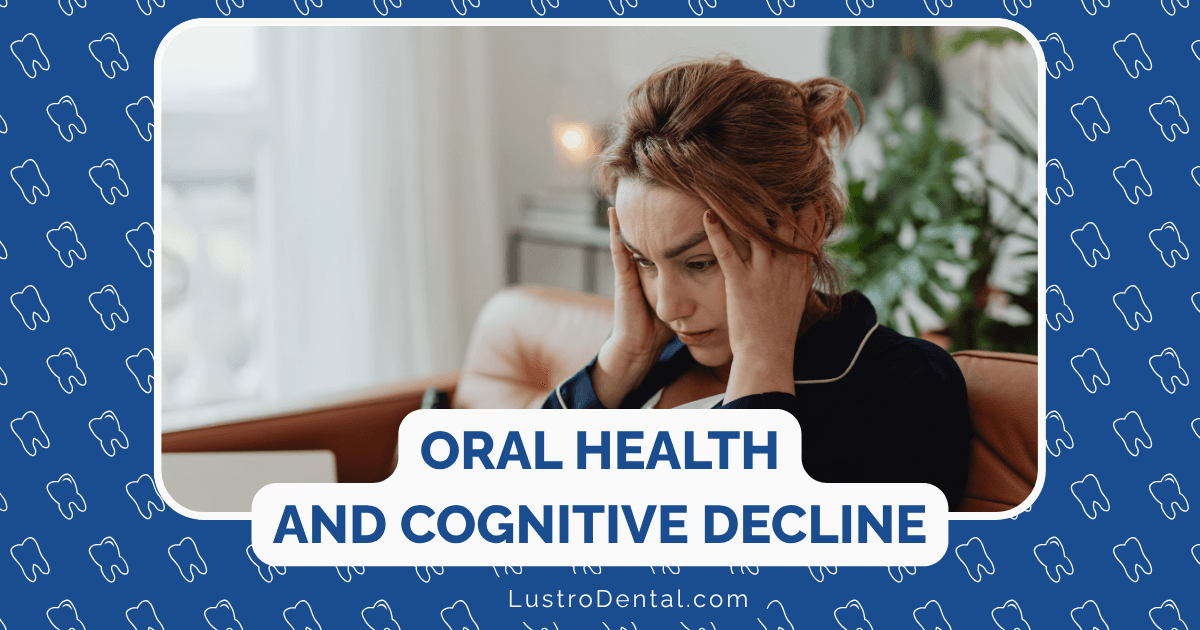
As a dental health advocate who has worked with patients across all age groups, I’ve observed fascinating connections between oral health and overall wellbeing. One of the most compelling relationships emerging from recent research is the potential link between certain oral health indicators and cognitive function. Could the state of your mouth offer early clues about brain health?
This question has profound implications, particularly as our global population ages. With dementia affecting approximately 55 million people worldwide and projections suggesting this number could reach 139 million by 2050, identifying early warning signs becomes increasingly crucial.
In this article, I’ll explore the oral health indicators that may correlate with cognitive decline, the science behind these connections, and what these findings mean for both patients and healthcare providers.
Before diving into specific oral signs, it’s important to understand why oral health and cognitive function might be connected in the first place.
Chronic inflammation appears to be a key mediator in the relationship between oral health and cognitive decline. Dr. Sarah Chen, a neurologist specializing in dementia research, explains: “Inflammatory processes that begin in the mouth don’t necessarily stay there. The same inflammatory molecules that damage gum tissue can enter the bloodstream and potentially cross the blood-brain barrier, contributing to neuroinflammation.”
Research published in Nature Scientific Reports supports this connection, finding that participants with multiple oral health conditions demonstrated measurably lower cognitive performance scores.
Beyond inflammation, certain oral bacteria—particularly Porphyromonas gingivalis, the primary bacterium associated with severe gum disease—may directly impact brain health.
A groundbreaking study cited by Decisions in Dentistry found that P. gingivalis can be detected in brain tissue decades before cognitive symptoms appear. These bacteria produce enzymes called gingipains that can damage neural tissue and potentially contribute to the formation of amyloid plaques characteristic of Alzheimer’s disease.
Poor oral health can affect nutrition, which in turn influences brain health. Tooth loss and painful dental conditions may lead to dietary restrictions and nutritional deficiencies that impact cognitive function.
According to research from the Longitudinal Aging Study in India, participants who had lost all their teeth scored 0.65 points lower on cognitive assessments compared to those who maintained their natural dentition—a significant difference that highlights the potential nutritional pathway.
With these mechanisms in mind, let’s explore the specific oral health indicators that research suggests may correlate with current or future cognitive decline.
One of the earliest and most telling signs may be a sudden or gradual decline in oral hygiene habits in someone who previously maintained excellent dental care.
The British Dental Journal notes that dentists are uniquely positioned to notice these changes, which might manifest before other healthcare providers or even family members become aware of cognitive issues.
Dr. Michael Rodriguez, a geriatric dentist with over 20 years of experience, observes: “When a patient who has always been meticulous about their oral care suddenly presents with increased plaque, untreated cavities, or signs of gum inflammation, it warrants attention. This change in self-care ability can be an early indicator of cognitive challenges.”
What to watch for:
Gum disease—particularly in its more severe form, periodontitis—shows a strong bidirectional relationship with cognitive health.
A study in PMC found that individuals with periodontal disease demonstrated impairments across multiple cognitive domains, including visuospatial function, attention, memory, and language. Even more concerning, research cited by Downers Grove Health Center indicates that chronic gum disease lasting ten years or more is associated with a 70% higher risk of developing Alzheimer’s disease.
What to watch for:
The relationship between tooth loss and cognitive decline appears particularly strong, with multiple studies confirming the association.
A meta-analysis cited by DrBicuspid examined 14 studies involving over 34,000 adults and found that each missing tooth increased the risk of cognitive impairment by 1.4% and dementia by 1.1%. This suggests a dose-response relationship—the more teeth lost, the higher the potential cognitive risk.
What to watch for:
Subtle changes in oral motor skills may precede more obvious cognitive symptoms, according to a 2024 study published in Nature Scientific Reports.
The study assessed oral diadochokinesis—the rapid, repetitive movement of the oral structures—in 583 older adults over two years. Researchers found a significant correlation between declining oral motor performance and cognitive changes, suggesting that diminished tongue mobility and coordination may serve as an early warning sign.
What to watch for:
The composition of bacteria in the mouth may offer one of the most promising early indicators of cognitive risk.
Research highlighted by PsyPost analyzed saliva samples from 115 adults over age 50 and found distinct bacterial profiles associated with cognitive status. Specifically, higher levels of Neisseria and Haemophilus bacteria correlated with better cognitive performance, while elevated levels of Porphyromonas and Prevotella were linked to poorer brain health.
This suggests that salivary testing for specific bacterial markers could potentially serve as a non-invasive screening tool for cognitive risk.
What to watch for:
Advanced imaging studies have revealed intriguing connections between oral health status and changes in brain structure, particularly in the hippocampus—a region critical for memory formation.
A 2023 study cited by Radiante Dental & Facial found that periodontitis and tooth loss were associated with reduced hippocampal volume. Interestingly, the relationship was complex: fewer teeth correlated with faster hippocampal atrophy in those with mild periodontitis, while more teeth were associated with faster atrophy in those with severe periodontitis.
While hippocampal changes aren’t visible during a dental exam, this research underscores the importance of comprehensive oral health assessments in cognitive risk evaluation.
It’s important to note that the relationship between oral health and cognitive function works both ways. As cognitive abilities decline, maintaining oral hygiene often becomes more challenging, creating a potential downward spiral.
As cognitive impairment progresses, individuals may:
Many medications prescribed for dementia and related conditions can impact oral health by causing:
The emerging connections between oral health and cognitive function offer potential opportunities for both prevention and early detection.
Research suggests that maintaining good oral health may contribute to cognitive preservation:
Dental professionals are uniquely positioned to identify potential cognitive issues:
Dr. Jennifer Lee, a researcher in geriatric dentistry, emphasizes: “The dental office represents an underutilized opportunity for cognitive health screening. Many older adults see their dentist more regularly than their primary care physician, creating a valuable touchpoint for early detection.”
The relationship between oral health and cognitive function may vary across different populations:
While cognitive decline is generally associated with advancing age, the oral health indicators discussed may be relevant across the lifespan:
Individuals with genetic predispositions to both periodontal disease and dementia may benefit from particularly vigilant oral healthcare:
Access to dental care varies significantly across socioeconomic groups, potentially exacerbating cognitive health disparities:
The emerging evidence linking oral health indicators to cognitive function underscores the need for a more integrated approach to healthcare—one that recognizes the mouth as an integral part of the body and brain health.
For individuals, this research highlights the importance of maintaining good oral health throughout life, not just for a beautiful smile or comfortable chewing, but potentially for cognitive preservation as well.
For healthcare providers, it suggests opportunities for collaboration across disciplines, with dental professionals playing a vital role in the early detection of cognitive changes and medical providers recognizing the importance of oral health in overall brain health.
As research in this area continues to evolve, one thing becomes increasingly clear: the health of our mouths and the health of our minds are more closely connected than we previously understood. By paying attention to the early oral signs discussed in this article, we may gain valuable insights into cognitive health and opportunities for earlier intervention.
Have you noticed changes in your oral health as you’ve aged? Are you concerned about the potential connection between oral health and brain function? Share your thoughts in the comments below.