Daily Habits That Destroy Your Gums (And How to Break Them)
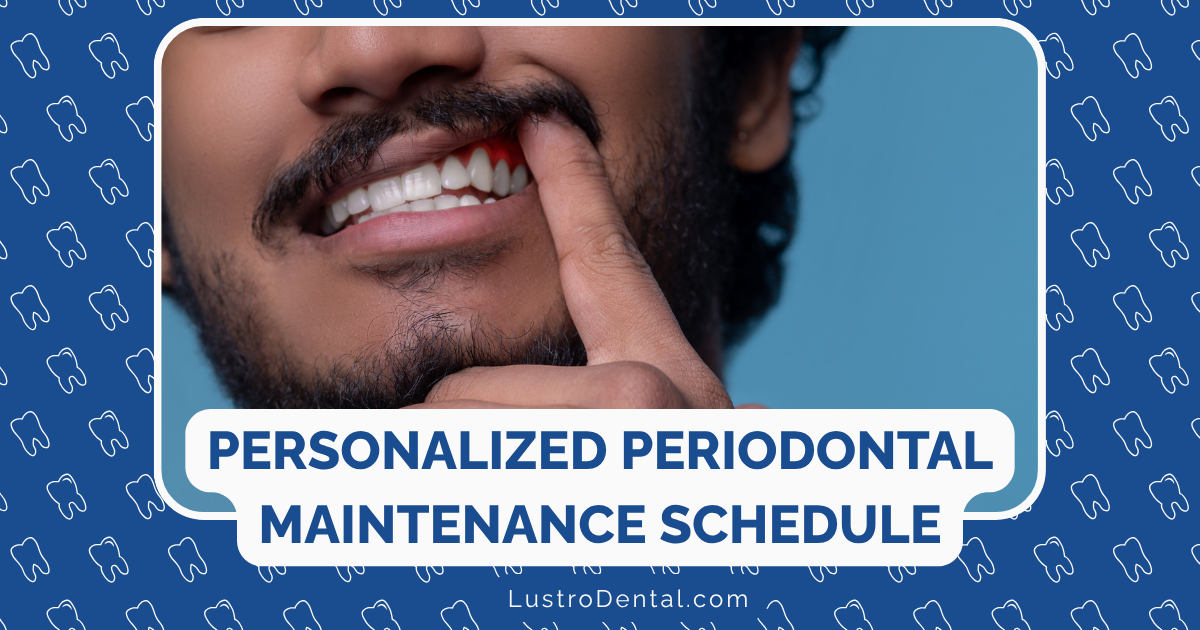
When I talk to patients about oral health, many are surprised to learn that their seemingly innocent daily habits could be silently destroying their gums. Gum health isn’t just about aesthetics—it’s a crucial component of overall wellness. According to the Centers for Disease Control and Prevention, nearly half of all adults over 30 have some form of periodontal disease, and that number jumps to over 70% for adults 65 and older.
What’s particularly concerning is that many of these cases could be prevented by breaking everyday harmful habits. In this article, I’ll walk you through the common daily behaviors that damage your gums and provide practical strategies to break these habits for good.
Before diving into harmful habits, let’s understand why gum health is so crucial. Your gums serve as the foundation for your teeth, providing essential support and protection. When gums recede or become diseased, it can lead to:
Increased risk of systemic health issues like heart disease and diabetes
According to a 2025 report from the University of Utah, more cases of tooth loss after age 35 are due to gum disease than tooth decay. This makes protecting your gums a top priority for maintaining long-term oral health.
Habit #1: Aggressive Brushing
It seems logical that scrubbing your teeth harder would clean them better, but this is actually one of the most common ways people damage their gums.
The Damage:
Wears away gum tissue, causing recession
Exposes sensitive tooth roots
Creates abrasions that can become entry points for bacteria
Damages protective tooth enamel
According to the Cleveland Clinic, aggressive brushing is one of the leading causes of gum recession, which affects approximately 88% of people over age 65.
How to Break This Habit:
Switch to a soft-bristled toothbrush. Hard bristles are simply unnecessary and more likely to cause damage.
Use gentle, circular motions rather than aggressive back-and-forth scrubbing.
Hold your toothbrush with a pencil grip to naturally reduce the pressure you apply.
Consider an electric toothbrush with a pressure sensor that alerts you when you’re brushing too hard.
Set a timer for two minutes to ensure you’re brushing long enough without overdoing it.
Habit #2: Neglecting Flossing
While most people brush their teeth regularly, flossing often gets overlooked. Yet, according to periodontal experts, flossing is actually more important than brushing when it comes to preventing gum disease.
The Damage:
Allows plaque to build up between teeth and under the gumline
Start small by committing to floss just one tooth per day, then gradually increase.
Keep floss visible on your bathroom counter as a visual reminder.
Try different flossing tools if traditional string floss is challenging—water flossers, floss picks, and interdental brushes can be effective alternatives.
Establish a consistent routine by flossing at the same time each day, ideally before bedtime.
Track your progress with a habit-tracking app or calendar to build momentum.
Habit #3: Tobacco Use (Smoking and Vaping)
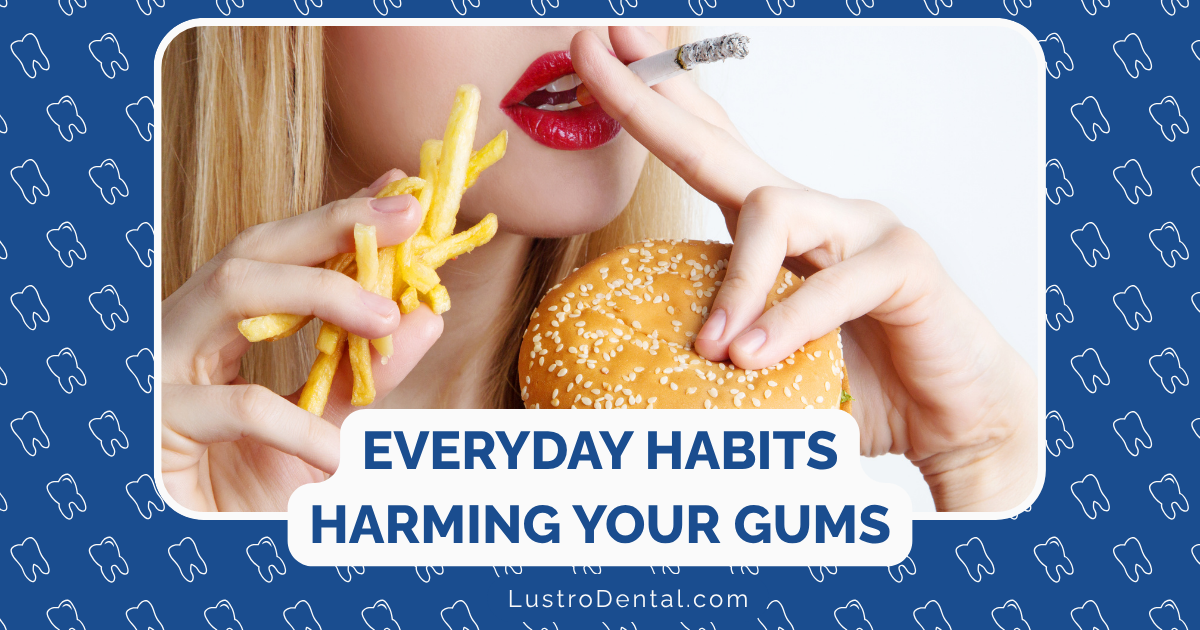
Tobacco use in any form is devastating to gum health. Whether you smoke cigarettes, cigars, pipes, or use e-cigarettes, your gums are suffering.
The Damage:
Restricts blood flow to gum tissue, limiting oxygen and nutrients
Weakens your immune system’s ability to fight infections
Masks symptoms of gum disease by reducing bleeding (making problems harder to detect)
Impairs healing after dental procedures
Increases risk of gum disease by 4-5 times for heavy smokers
According to Better Health Victoria, smokers are significantly more likely to develop gum disease, with the risk increasing 4 to 5 times for heavy smokers. And contrary to what many believe, vaping isn’t a safe alternative for your gums.
Research from Claremont Dental Institute shows that vaping can cause inflammation, worsen existing dental problems, and increase gum bleeding due to nicotine and other chemicals.
How to Break This Habit:
Consult with your healthcare provider about smoking cessation programs and medications.
Consider nicotine replacement therapies like patches, gum, or lozenges as stepping stones to quitting.
Join a support group or use a quit-smoking app for accountability and encouragement.
Identify your triggers and develop alternative coping strategies for stress or social situations.
Schedule regular dental check-ups to monitor gum health during the quitting process.
Habit #4: Grinding and Clenching Your Teeth
Many people unknowingly grind or clench their teeth, especially during sleep or stressful situations. This habit, known as bruxism, can wreak havoc on your gums.
The Damage:
Puts excessive pressure on the periodontal ligaments
Accelerates gum recession
Can cause micro-fractures in teeth that become breeding grounds for bacteria
Contributes to loose teeth and eventual tooth loss
How to Break This Habit:
Get fitted for a custom night guard by your dentist to protect your teeth and gums while sleeping.
Practice stress-reduction techniques like meditation, deep breathing, or yoga.
Be mindful of jaw tension throughout the day—your teeth should never be touching except when chewing.
Cut back on caffeine and alcohol, which can worsen grinding.
Consider physical therapy or massage to relieve tension in jaw muscles.
Habit #5: Poor Dietary Choices
What you eat and drink has a direct impact on your gum health. Certain dietary habits can create the perfect environment for gum disease to develop.
The Damage:
Sugary foods and beverages feed harmful bacteria
Acidic drinks (soda, sports drinks, wine) can erode enamel and irritate gums
Sticky, carbohydrate-rich foods cling to teeth and gumlines
Gradually reduce sugar consumption by cutting back a little each week.
Swap acidic drinks for water or unsweetened tea.
Eat crunchy fruits and vegetables like apples, carrots, and celery, which help clean teeth naturally.
Increase intake of omega-3 fatty acids found in fish, flaxseeds, and walnuts, which have anti-inflammatory properties.
Consider a vitamin C supplement, as this vitamin is crucial for gum health and collagen production.
Habit #6: Using Your Teeth as Tools
Many people habitually use their teeth for tasks they weren’t designed for—opening packages, cutting thread, removing bottle caps, or holding items.
The Damage:
Creates uneven pressure that can damage gum attachments
Risks traumatic injury to gums
Can cause micro-cracks in teeth that harbor bacteria
May lead to sudden gum lacerations
How to Break This Habit:
Keep appropriate tools readily available in multiple locations (scissors, bottle openers, etc.).
Pause before using teeth for non-food items and ask yourself if there’s a better tool.
Create a mental trigger to catch yourself in the act—for example, touching your nose whenever you notice the urge.
Ask friends and family to point out when they see you using your teeth inappropriately.
Habit #7: Ignoring Signs of Gum Problems
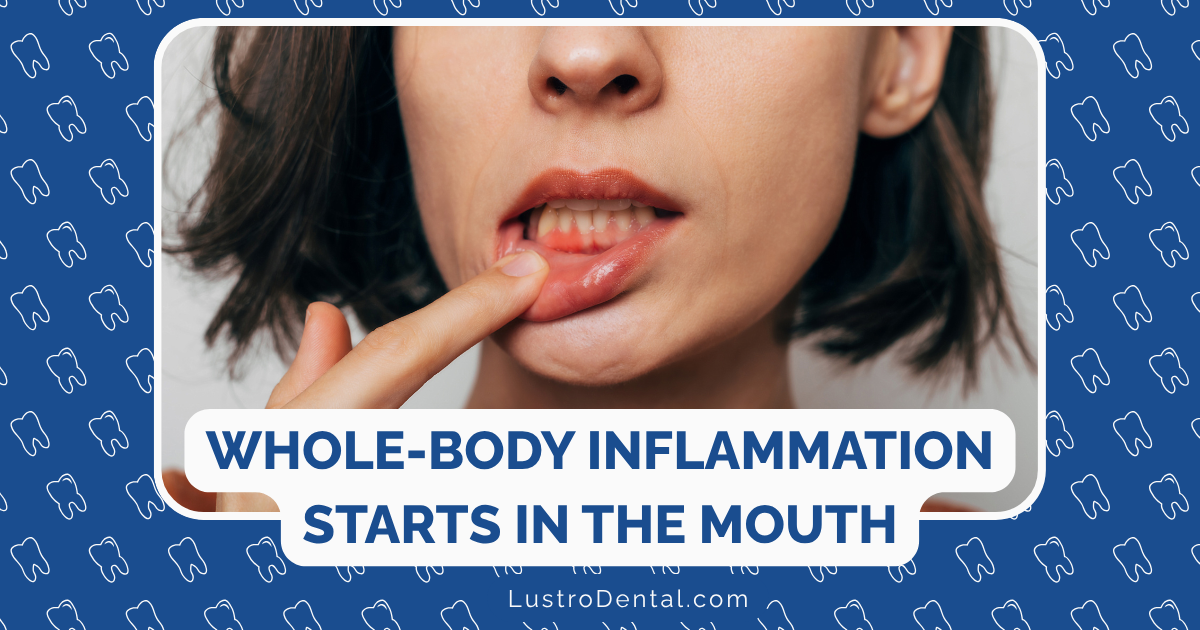
Perhaps the most dangerous habit is dismissing early warning signs of gum issues. Many people ignore bleeding, redness, or swelling, assuming it’s normal or temporary.
The Damage:
Allows minor, reversible gingivitis to progress to serious periodontitis
Gives bacteria time to destroy supporting bone structure
Increases the likelihood of needing invasive, expensive treatments
Raises risks for systemic health complications
How to Break This Habit:
Recognize that healthy gums don’t bleed during normal brushing and flossing.
Many people suffer from dry mouth (xerostomia) due to medications, health conditions, or simply not drinking enough water. This seemingly minor issue can have major consequences for gum health.
The Damage:
Reduces protective saliva that naturally cleanses teeth and gums
Creates an environment where bacteria thrive
Accelerates plaque formation
Increases risk of gum inflammation and infection
According to McCawley Center for Laser Periodontics, a persistently dry mouth can lead to quicker tartar buildup, which irritates gum tissue and can cause recession.
Remind yourself that preventive care is less expensive and less painful than emergency treatment.
Use calendar reminders to schedule check-ups every six months.
Habit #10: Chronic Stress Without Management
While not directly a dental habit, chronic stress has significant implications for gum health that many people overlook.
The Damage:
Weakens the immune system, making gums more vulnerable to infection
Increases inflammation throughout the body, including gum tissue
Often leads to teeth grinding and clenching
May cause people to neglect oral hygiene routines
According to Surfside Dental, stress weakens the immune system, increasing susceptibility to gum diseases like gingivitis and periodontitis.
How to Break This Habit:
Incorporate stress-reduction practices into your daily routine, such as meditation, deep breathing, or physical exercise.
Prioritize adequate sleep, which helps regulate stress hormones.
Consider counseling or therapy if stress feels overwhelming.
Practice time management to reduce unnecessary stressors.
Connect with supportive people who help you manage stress in healthy ways.
The Road to Recovery: Can Damaged Gums Heal?
If you’ve identified with several of these harmful habits, you might wonder if the damage can be reversed. The answer depends on the extent of the damage:
Gingivitis (early gum disease) is completely reversible with improved oral hygiene and professional cleaning.
Gum recession cannot be naturally reversed once it occurs, but breaking harmful habits can prevent further recession.
Periodontitis (advanced gum disease) can be stabilized and managed with professional treatment, though some damage may be permanent.
For significant gum recession, treatments like the Pinhole Surgical Technique offer minimally invasive options for correcting receding gums without the need for scalpels or stitches.
Creating a Gum-Healthy Lifestyle
Breaking destructive habits is only part of the equation. To truly protect your gums, incorporate these positive habits into your daily routine:
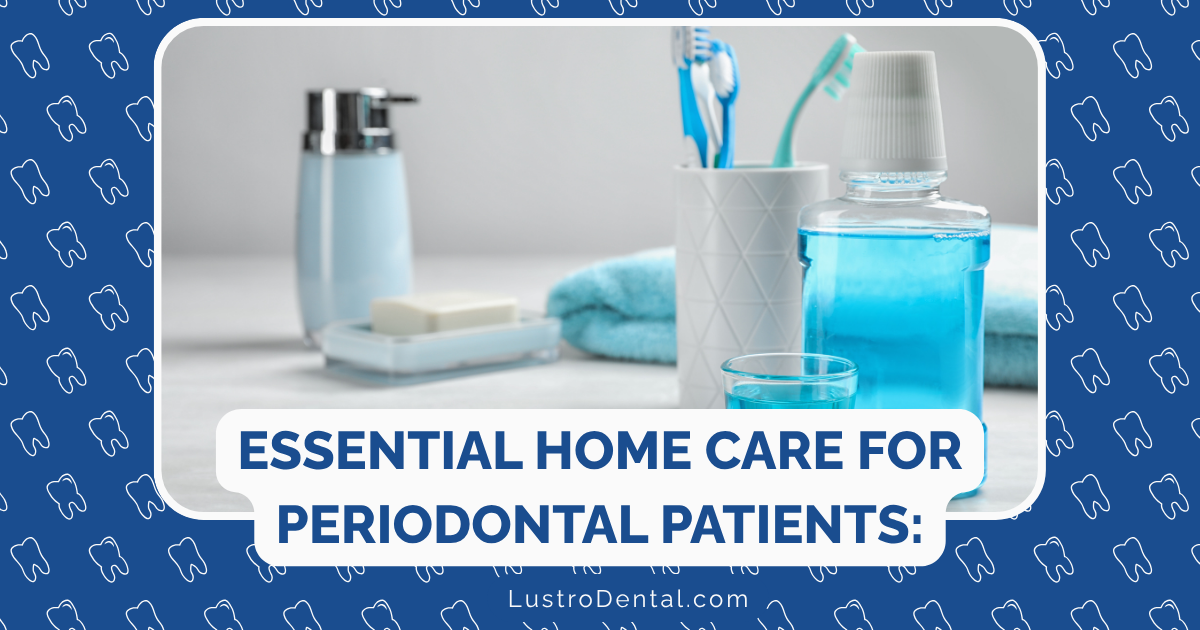
Brush properly twice daily using a soft-bristled toothbrush and fluoride toothpaste.
Floss at least once daily, ideally before bedtime.
Use an antimicrobial mouthwash to reduce bacteria between brushings.
Stay hydrated to maintain healthy saliva production.
Eat a nutrient-rich diet with plenty of vitamin C, calcium, and omega-3 fatty acids.
Manage stress through regular exercise, meditation, or other relaxation techniques.
Visit your dentist every six months for check-ups and professional cleanings.
Replace your toothbrush every three months or sooner if bristles are frayed.
Conclusion: Small Changes, Big Impact
The health of your gums isn’t determined by genetics alone—your daily habits play a crucial role. By identifying and breaking the destructive habits we’ve discussed, you can significantly reduce your risk of gum disease and recession.
Remember that habit change is a process, not an event. Focus on making small, sustainable changes rather than trying to transform everything overnight. Even modest improvements in how you care for your gums can yield significant benefits over time.
Your future self—with healthy gums, strong teeth, and fresh breath—will thank you for the changes you make today.
Have you successfully broken any of these harmful habits? Share your experience and tips in the comments below!