🦷 General Care
✨ Treatments
👶 Family Care
💚 Wellness
💡 Resources

🦷 General Care
✨ Treatments
👶 Family Care
💚 Wellness
💡 Resources

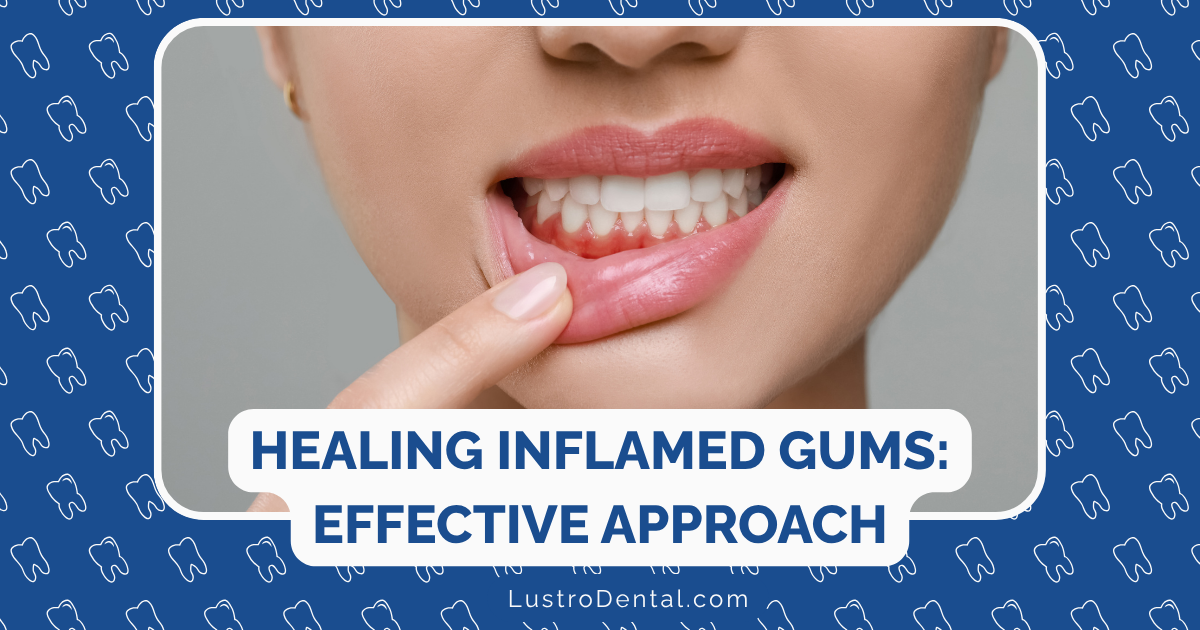
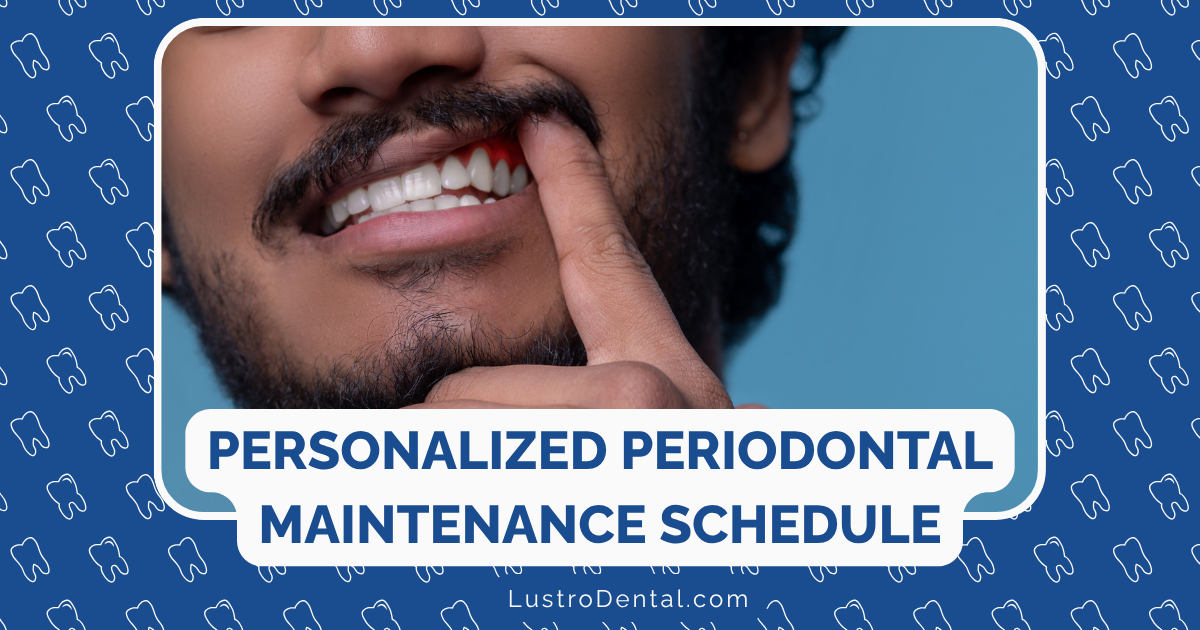
That alarming sight of pink on your toothbrush or floss can trigger immediate concern. If you’re experiencing bleeding gums, you’re not alone—nearly half of all adults over 30 show signs of gum disease, according to the CDC. But behind that statistic are real people experiencing discomfort, worry, and sometimes even embarrassment about their oral health.
This guide offers compassionate, effective approaches to rescue your gums from bleeding and inflammation, with both quick solutions for immediate relief and sustainable practices for long-term gum health.
Before diving into solutions, let’s understand what your bleeding gums are trying to tell you. Rather than seeing this symptom as a failure of oral care, consider it your body’s way of communicating that something needs attention.
Interestingly, research presented at EuroPerio11 in May 2025 suggests that lifestyle factors like dietary patterns can significantly impact gum inflammation. The study found that intermittent fasting might help reduce gum inflammation and improve various health markers—highlighting the connection between our overall health habits and oral health.
When you notice bleeding gums, these gentle interventions can provide immediate relief while addressing the underlying inflammation:
How: Dissolve ½ teaspoon of sea salt in a cup of warm water. Gently swish for 30 seconds, then spit.
Why It Works: Salt water creates an environment where bacteria struggle to survive while reducing inflammation naturally. It’s also soothing to irritated tissues.
Compassionate Tip: Use this rinse 2-3 times daily, especially after meals, for both immediate relief and ongoing support.
How: Apply a clean cloth wrapped around ice (or a cold pack) to the outside of your mouth near the bleeding area for 5-10 minutes.
Why It Works: Cold constricts blood vessels, reducing blood flow and swelling while numbing discomfort.
Compassionate Tip: This method is particularly helpful before bedtime if gum discomfort is affecting your sleep.
How: Steep a black tea bag in hot water for 2-3 minutes, then remove and allow it to cool slightly (should be warm, not hot). Apply the damp tea bag directly to the bleeding area for 5 minutes.
Why It Works: Black tea contains tannins that help constrict blood vessels and reduce bleeding. The tea also contains compounds with antimicrobial properties.
Compassionate Tip: This can be a soothing ritual that doubles as self-care time—perhaps combined with a few minutes of mindful breathing.
How: Mix ¼ teaspoon of turmeric powder with a few drops of water to create a paste. Apply directly to gums with a clean finger, leave for 5 minutes, then rinse thoroughly.
Why It Works: Turmeric contains curcumin, which has powerful anti-inflammatory and antimicrobial properties that can reduce swelling and fight bacteria.
Compassionate Tip: While effective, turmeric can temporarily stain, so apply carefully and perhaps use this method in the evening.
How: Swish 1 tablespoon of coconut oil in your mouth for 5-10 minutes (working up to 15-20 minutes over time), then spit into trash (not sink) and rinse with warm water.
Why It Works: Oil pulling helps reduce bacteria and toxins in the mouth. Coconut oil also has natural antimicrobial properties.
Compassionate Tip: This practice can feel unusual at first—start with just 5 minutes and gradually increase as you become comfortable with the sensation.
While the above remedies provide immediate relief, rescuing your gums fully requires addressing root causes with these compassionate approaches:
The way you brush matters as much as how often you brush. Adopt these gentle techniques:
According to Emergency Dental of Denver, electric toothbrushes are more effective at removing plaque compared to manual brushes, potentially making a significant difference in gum health.
Flossing doesn’t have to be traumatic for your gums:
What you eat directly impacts your gum health:
Drinking adequate water throughout the day helps in multiple ways:
Aim for at least 8 glasses daily, and consider additional hydration if you exercise or consume dehydrating beverages like coffee or alcohol.
Chronic stress can weaken your immune system, making it harder for your body to fight off the bacteria that cause gum inflammation. Compassionate stress-reduction practices include:
Even 5-10 minutes of conscious relaxation daily can make a difference in your body’s inflammatory response.
Exciting developments in gum health treatment offer hope for those with persistent issues:
According to West Palm Beach Family Dental, several innovative approaches are becoming available:
If home care isn’t sufficient, these professional treatments show promise:
Researchers at NYU College of Dentistry have developed a promising topical gel that targets inflammation and alters oral bacteria composition, potentially offering a non-invasive at-home treatment option.
While the approaches above can address mild to moderate gum issues, certain signs indicate the need for professional care:
According to University of Colorado School of Dental Medicine, regular dental checkups are essential not just for gum health but for detecting serious conditions like cancer and diabetes that might first present with oral symptoms.
Healing takes time, and understanding the typical timeline can help manage expectations:
Recent research continues to strengthen our understanding of how gum health connects to overall wellbeing. Inflammation from gum disease doesn’t stay confined to your mouth—it can affect nearly every organ system in your body.
Studies have linked gum disease to increased risk of:
By rescuing your gums, you’re potentially protecting your entire body.
Remember that healing is rarely linear. You might experience improvements followed by temporary setbacks. This is normal and not a reason for discouragement. Each step you take toward better gum health matters, and small, consistent actions often lead to the most sustainable results.
Your gums support you every day—they deserve gentle care and attention when they signal distress. By responding with compassion rather than judgment, you create the conditions for true healing and long-term oral health.
Have you found particular approaches helpful for your gum health? Share your experiences in the comments below to help others on their healing journey.