🦷 General Care
✨ Treatments
👶 Family Care
💚 Wellness
💡 Resources

🦷 General Care
✨ Treatments
👶 Family Care
💚 Wellness
💡 Resources

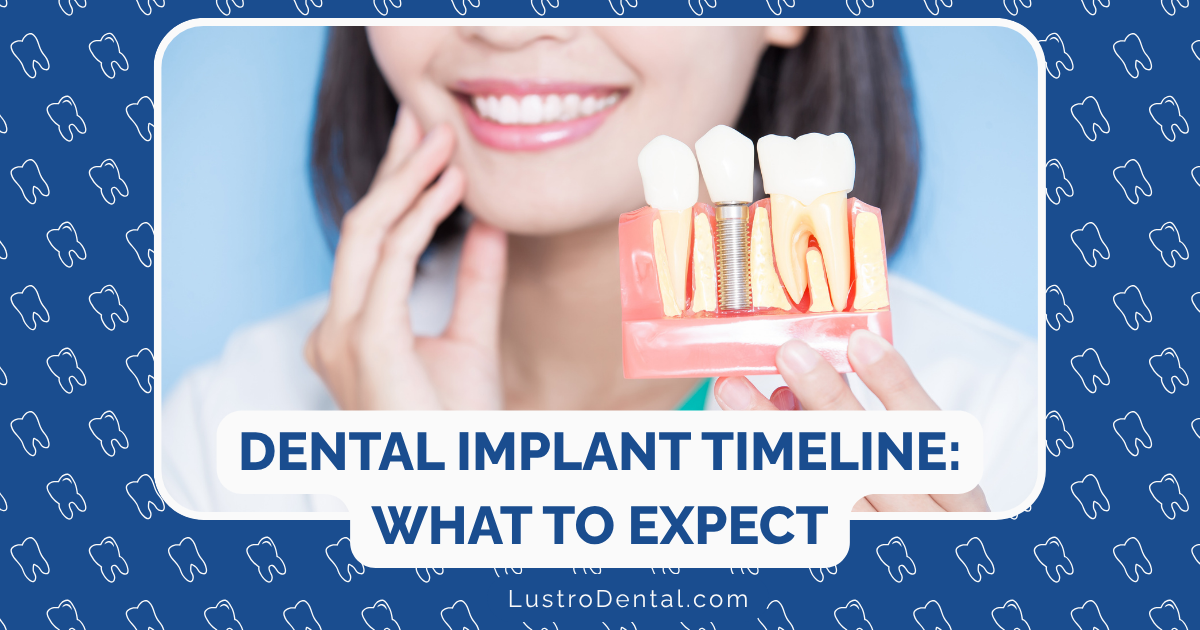
Dental implants have revolutionized tooth replacement, offering a solution that closely mimics natural teeth in both function and appearance. However, unlike many dental procedures that can be completed in a single visit, the implant process unfolds over several stages and months. Understanding this timeline is crucial for setting realistic expectations and preparing for each phase of treatment.
As someone who’s guided many patients through their implant journeys, I know that the waiting periods can sometimes feel challenging. But I’ve also witnessed how this carefully structured process leads to exceptional, long-lasting results that patients treasure for decades.
In this comprehensive guide, I’ll walk you through each stage of the dental implant timeline—from your initial consultation to the placement of your final restoration—so you can approach your treatment with confidence and clarity.
Before diving into the details, let’s outline the typical implant timeline from start to finish:
The total timeline typically ranges from 4-9 months for straightforward cases to 9-18 months for more complex situations requiring preliminary procedures. Let’s explore each phase in detail.
Your implant journey begins with a comprehensive evaluation to determine if you’re a good candidate for implants and to create a personalized treatment plan.
Typical appointments include:
Dr. Sarah Johnson, a prosthodontist at the American College of Prosthodontists, explains: “This planning phase is absolutely critical to the success of implant treatment. Modern 3D imaging allows us to precisely evaluate bone quantity and quality, identify anatomical structures to avoid, and determine optimal implant positioning before any surgical procedures begin.”
During this phase, your dental team will:
Duration: 1-2 weeks Number of appointments: Typically 1-2
Come prepared with questions about the procedure, alternatives, costs, and recovery. This is the time to ensure you fully understand what lies ahead and to address any concerns.
Not all patients require preliminary procedures, but they’re common for many implant cases.
If you still have a damaged tooth in the implant site, it will need to be removed before proceeding.
What to expect:
Timeline:
If you have insufficient bone volume to support an implant, bone grafting may be necessary.
What to expect:
Timeline:
Dr. Michael Chen, an oral surgeon with the American Association of Oral and Maxillofacial Surgeons, notes: “While bone grafting adds time to the overall process, it’s an investment in the long-term success of your implant. Adequate bone volume is essential for proper implant stability and function.”
This is the pivotal phase where the titanium implant post is surgically placed into your jawbone.
Surgical procedure:
During the procedure:
Immediately after:
According to the American Academy of Implant Dentistry, most patients report they’re able to return to work and normal activities within 1-3 days after implant surgery.
Duration: Single appointment (1-2 hours) Recovery period: 7-14 days for soft tissue healing
In 2025, many practices utilize computer-guided implant surgery, which offers several advantages:
This critical healing phase allows the implant to fuse with your jawbone through a process called osseointegration.
During this period:
Dr. Lisa Rodriguez, a researcher in implant dentistry, explains: “Osseointegration is the biological foundation of implant success. This process, where bone cells actually grow onto the implant surface, creates a bond that’s strong enough to support the forces of chewing for decades.”
Duration: 3-6 months Number of appointments: 1-2 check-ups during this period
Several variables can influence how long osseointegration takes:
Once osseointegration is complete, the next step is placing the abutment—the connector piece between the implant and your final restoration.
Surgical procedure:
Duration: Single appointment (30-60 minutes) Healing period: 1-2 weeks for gum tissue to heal around the abutment
In some cases, the abutment is placed at the same time as the implant (one-stage protocol), eliminating this separate procedure. Your dentist will determine which approach is best for your specific situation.
The final phase involves creating and placing the visible portion of your implant—the crown, bridge, or denture that will restore your smile and chewing function.
First appointment:
Second appointment (typically 1-2 weeks later):
Duration: 1-2 appointments over 2-3 weeks Recovery period: None; you can use your new tooth immediately (though you may need to avoid very hard foods initially)
Modern dental practices increasingly use digital workflows that can significantly streamline this phase:
While the process outlined above represents a typical implant timeline, several factors can alter this schedule:
For some patients, “teeth in a day” protocols allow for placement of a temporary restoration on the same day as implant surgery.
Requirements:
Timeline impact: Eliminates the waiting period without teeth, though the final restoration still requires the osseointegration period.
In some cases, implants can be placed immediately after tooth extraction.
Requirements:
Timeline impact: Can reduce overall treatment time by 2-3 months by combining extraction and implant placement.
Patients requiring significant bone reconstruction may have extended timelines.
Scenarios:
Timeline impact: May extend the overall process to 12-18 months.
Every patient’s implant journey is unique. These factors may influence your specific timeline:
Existing conditions like periodontal disease must be treated before implant placement, potentially adding months to the process.
Certain medical conditions and medications can affect healing and may require modified protocols or extended healing periods.
The condition of your jawbone is perhaps the most significant factor in determining your timeline, potentially necessitating preliminary procedures.
Smoking significantly impairs healing and osseointegration. Most implantologists recommend quitting before implant treatment or at minimum during the healing phases.
The number of implants and type of restoration needed will impact the overall timeline.
One of the biggest challenges for many patients is the waiting periods between stages. Here are some tips for managing this aspect of treatment:
During the treatment process, you’ll typically have temporary options to maintain aesthetics and function:
Remember that the careful, staged approach to implant treatment is designed to ensure optimal long-term results. As Dr. Robert Garcia, a prosthodontist, reminds his patients: “The waiting periods can be challenging, but they’re an investment in the success and longevity of your implants. When you consider that a successful implant can last decades—potentially the rest of your life—a few months of treatment time represents an excellent return on investment.”
Maintain open communication with your dental team throughout the process. Understanding what’s happening during each phase and why certain waiting periods are necessary can help make the timeline more manageable.
Sometimes hearing from others who have completed the journey can provide valuable perspective:
“My straightforward single implant took exactly 5 months from extraction to final crown. The waiting wasn’t as difficult as I expected because my temporary looked quite natural.” — Michael, 42
“I needed extensive bone grafting, so my total process took 14 months. It was longer than I initially hoped, but absolutely worth it for the final result.” — Sarah, 58
“With the All-on-4 procedure, I received temporary fixed teeth the same day as my extractions and implant placement. After 4 months of healing, I got my permanent teeth. The ability to never be without fixed teeth made the process much easier.” — David, 65
The dental implant process is indeed a journey—one that requires patience but leads to a destination worth reaching. While the timeline of 4-12+ months may seem lengthy compared to other dental procedures, it reflects the biological processes necessary to create a restoration that can potentially last a lifetime.
By understanding each phase of treatment and its purpose, you can approach your implant journey with realistic expectations and confidence in the process. The carefully structured timeline, though sometimes challenging, is designed with one goal in mind: providing you with replacement teeth that look, feel, and function like natural teeth for many years to come.
If you’re considering dental implants, discuss your specific situation with an experienced implant provider who can give you a personalized timeline based on your unique needs. With proper planning, expert care, and a bit of patience, you’ll be enjoying your completed implant restoration before you know it.
Have you had dental implant treatment or are you considering it? We’d love to hear about your experience with the process timeline in the comments below!