🦷 General Care
✨ Treatments
👶 Family Care
💚 Wellness
💡 Resources

🦷 General Care
✨ Treatments
👶 Family Care
💚 Wellness
💡 Resources

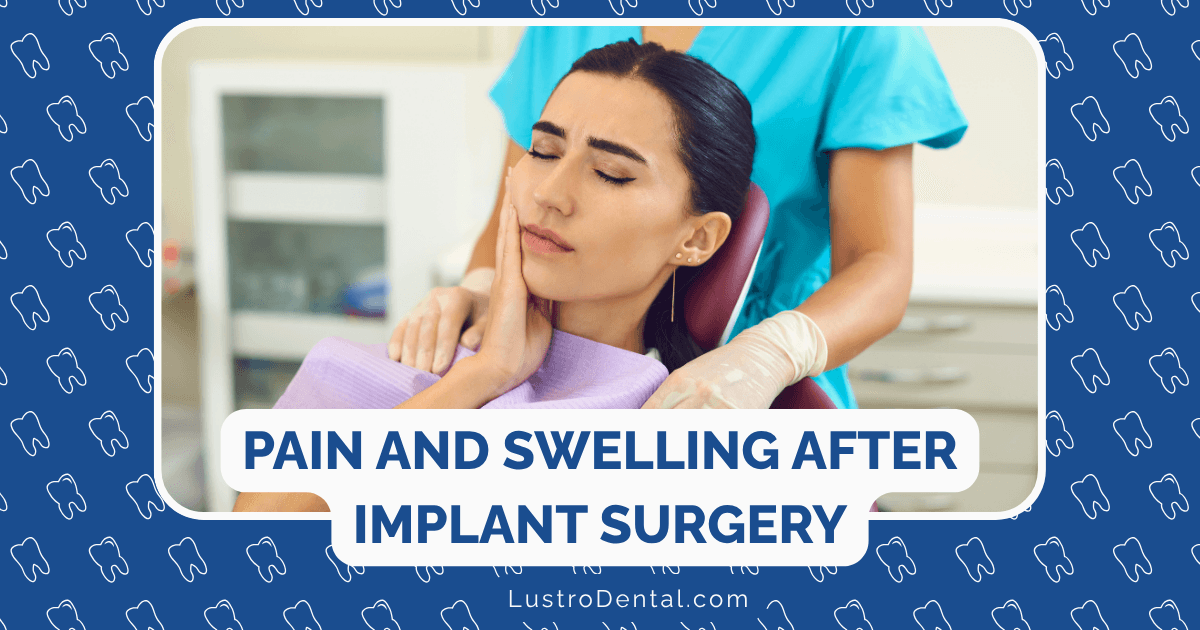
Dental implant surgery represents a significant investment in your long-term oral health—one that promises a beautiful, functional smile for years to come. But like any surgical procedure, the days following your implant placement can bring discomfort in the form of pain and swelling.
As someone who’s guided many patients through dental implant recovery, I’ve seen how proper post-operative care can make a tremendous difference in comfort levels and healing times. The good news? With the right strategies, most discomfort can be effectively managed, allowing you to focus on the exciting prospect of your new teeth rather than the temporary recovery process.
In this comprehensive guide, I’ll share evidence-based approaches to managing pain and swelling after implant surgery, helping you navigate this important healing phase with confidence and comfort.
Before diving into management strategies, it’s helpful to understand what to expect during the typical recovery process.
According to research published in Frontiers in Pharmacology, post-implant pain typically follows this pattern:
Dr. Sarah Johnson of Smiles4OC notes, “Most patients describe post-implant pain as more of a dull ache rather than sharp pain. It’s typically very manageable with the right approach.”
Facial swelling follows a slightly different timeline:
It’s important to remember that these are general guidelines. Your individual experience may vary based on factors like the number of implants placed, complexity of your surgery, and your body’s natural healing response.
The first two days after surgery are critical for managing pain and swelling. Here’s your action plan:
Proper ice application is one of the most effective strategies for reducing both pain and swelling:
Research shows that consistent ice application during the first 48 hours can reduce post-operative swelling by up to 40%, according to Oral Surgery Arizona.
Pro Tip: Frozen peas or corn make excellent moldable ice packs that conform to the face. Just label them “not for consumption” after using them for this purpose.
Keeping your head elevated helps minimize swelling by preventing fluid accumulation in the surgical area:
Proper use of medications can significantly reduce discomfort:
A systematic review published in the Journal of Oral and Maxillofacial Surgery found that nonsteroidal anti-inflammatory drugs (NSAIDs) are particularly effective for post-implant pain:
For those who cannot take NSAIDs:
Important: Always follow your dentist’s specific recommendations and check with your doctor if you have any medical conditions that might affect medication choices.
Your dentist may prescribe:
Pro Tip: Begin taking pain medication before the local anesthesia wears off completely. Staying ahead of the pain is more effective than trying to catch up once discomfort has intensified.
Your body needs energy to heal:
As you move beyond the initial 48 hours, your recovery strategy should evolve:
After 48 hours, ice becomes less effective, and moist heat becomes beneficial:
What you eat significantly impacts your comfort and healing:
Pro Tip: A study in the Journal of Clinical and Experimental Dentistry found that patients with higher protein and vitamin C intake experienced faster healing after oral surgery.
Maintaining oral hygiene is crucial, but requires special care:
Beyond the basics, these evidence-based approaches can further improve your recovery experience:
This homeopathic remedy has shown promise for reducing post-surgical swelling and bruising:
This pineapple-derived enzyme has natural anti-inflammatory properties:
Emerging research suggests CBD may help manage pain and inflammation:
Stress and anxiety can amplify pain perception:
Dr. Michael Chen of Dr. Scharf Periodontics explains, “The mind-body connection is powerful in recovery. Patients who incorporate stress reduction techniques often report lower pain levels and faster perceived healing.”
While some discomfort is expected, certain symptoms warrant immediate attention:
Recovery experiences can vary based on your specific implant procedure:
Some research has raised questions about whether NSAIDs might affect osseointegration (the process where the implant fuses with bone). A study in Clinical and Experimental Dental Research found that naproxen use showed a trend toward increased marginal bone loss, though results weren’t statistically significant.
However, most dentists still recommend short-term NSAID use for these reasons:
Dr. Lisa Wong of Ventura Oral Surgery recommends, “For most patients, a short course of NSAIDs provides valuable comfort during recovery without compromising implant success. However, we customize recommendations based on each patient’s specific health profile and risk factors.”
While managing immediate post-operative discomfort is important, keeping your focus on long-term success can help put the temporary recovery phase in perspective:
Recovery from dental implant surgery is a relatively short journey on the path to a lifetime of improved oral health. By implementing these evidence-based strategies for managing pain and swelling, you can make this temporary phase as comfortable as possible.
Remember that each person’s experience is unique, and recovery times vary based on individual factors. Be patient with your body’s healing process, and don’t hesitate to reach out to your dental team with any concerns or questions.
Have you undergone dental implant surgery? What strategies worked best for managing your post-operative comfort? Share your experience in the comments below to help others preparing for their implant journey.