🦷 General Care
✨ Treatments
👶 Family Care
💚 Wellness
💡 Resources

🦷 General Care
✨ Treatments
👶 Family Care
💚 Wellness
💡 Resources

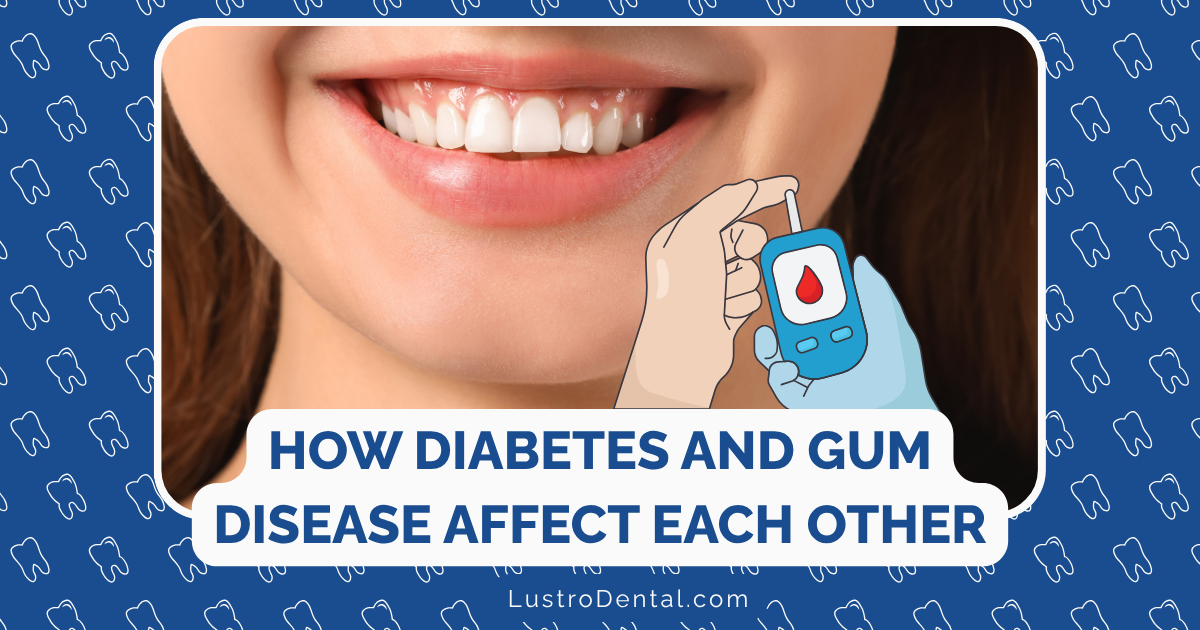
When I talk to my patients about diabetes and oral health, many are surprised to learn that the connection runs much deeper than they imagined. It’s not just that diabetes can affect your gums—your gum health can actually impact your diabetes too. This two-way relationship creates what healthcare professionals call a “bidirectional link” that can either work for you or against you, depending on how you manage it.
As someone who’s worked with countless patients navigating both conditions, I’ve seen firsthand how understanding this connection can be life-changing. Let’s break down what you need to know about this crucial relationship and the practical steps you can take to protect both your smile and your overall health.
Before we dive into the details, let’s look at some numbers that highlight why this topic deserves your attention:
These statistics aren’t meant to alarm you, but rather to emphasize that you’re not alone if you’re dealing with these conditions, and that there’s substantial evidence showing the importance of addressing both together.
Diabetes creates several conditions in your body that can harm your oral health:
Diabetes weakens your immune system’s ability to fight infections, including those in your mouth. This makes you more susceptible to bacterial growth that leads to gingivitis (early gum disease) and periodontitis (advanced gum disease).
Dr. Maria Rodriguez, endocrinologist at Mayo Clinic, explains: “High blood glucose levels impair white blood cell function, which are your body’s first line of defense against bacterial infections in the mouth.”
Diabetes causes changes to blood vessels, thickening their walls and reducing blood flow. This means fewer nutrients and oxygen reach your gum tissues and bones, making them more vulnerable to infection and slower to heal.
When your blood sugar is high, glucose levels in your saliva increase too. This creates an ideal environment for harmful bacteria to thrive, leading to more plaque formation and a higher risk of cavities and gum inflammation.
Many people with diabetes experience reduced saliva production, a condition called xerostomia. Saliva plays a crucial role in washing away food particles and neutralizing acids produced by bacteria. With less saliva, you lose this natural protection against tooth decay and gum disease.
High blood sugar levels slow down the healing process throughout your body, including your gums. This means that even minor gum irritations can take longer to heal and are more likely to progress to more serious infections.
What many people don’t realize is that the relationship works both ways. Gum disease can actually make diabetes harder to control:
Periodontal disease is essentially an inflammatory condition. The bacteria in infected gums trigger an inflammatory response that doesn’t just stay in your mouth—it can affect your entire body, including how your body processes insulin.
A 2025 study published in Frontiers in Cellular and Infection Microbiology found that inflammatory cytokines produced during periodontal infection directly impact insulin resistance, making it harder for your body to regulate blood sugar.
Bacteria from infected gums can enter your bloodstream through bleeding gum tissue. Once in circulation, these bacteria and their byproducts can increase inflammation throughout your body, further complicating diabetes management.
Some periodontal bacteria, particularly Porphyromonas gingivalis (a key pathogen in gum disease), produce enzymes like dipeptidyl peptidase-4 (DPP4) that can interfere with glucose-induced insulin production.
Recent research has revealed that periodontal bacteria can alter your gut microbiome, increasing intestinal permeability and leading to endotoxemia—a condition that promotes insulin resistance and worsens diabetes control.
Chronic infections like periodontitis trigger a stress response in your body, releasing hormones that can raise blood sugar levels and make diabetes management more challenging.
Recognizing the early signs of gum disease is crucial, especially if you have diabetes. Watch for:
If you notice any of these symptoms, don’t wait—schedule an appointment with your dentist right away. Early intervention is key to preventing the cascade effect that can worsen both gum disease and diabetes.
The good news is that you can take steps to break this harmful cycle and create a positive feedback loop instead. Here’s how:
Maintaining your blood glucose levels within your target range is perhaps the most important step you can take for both your diabetes and oral health.
According to the American Diabetes Association, managing blood glucose levels significantly lowers the risk for gum disease, cavities, dry mouth, and other oral complications.
A consistent oral care regimen is essential for preventing gum disease:
While twice-yearly dental checkups are standard for most people, if you have diabetes, you may benefit from more frequent visits:
A study from the National Institute of Dental and Craniofacial Research found that more frequent professional cleanings significantly reduced periodontal inflammation in patients with diabetes.
Your food choices affect both your blood sugar and your oral health:
If you smoke or use other tobacco products, quitting is one of the most important steps you can take for both your oral health and diabetes management:
Resources like SmokeFree.gov offer support and strategies to help you quit.
If you already have gum disease, several treatment approaches can help:
A 2023 review in Biomedicine & Pharmacotherapy highlighted how stem cell-derived exosomes may help regulate the bidirectional link between periodontitis and diabetes by supporting bone remodeling, reducing blood glucose levels, and decreasing inflammation.
Managing the diabetes-periodontal disease connection works best with a team approach:
Ensure all your healthcare providers know about both conditions. Dr. James Wilson, periodontist at the University of Pennsylvania School of Dental Medicine, recommends: “Bring your recent HbA1c results to dental appointments, and let your diabetes care provider know about any dental treatments you’ve received.”
Many patients have successfully managed both conditions by understanding their connection:
“After my diabetes diagnosis, my dentist recommended quarterly cleanings instead of twice a year. Within six months of this more aggressive approach to my oral health, my HbA1c dropped from 8.2% to 7.3%—without changing my diabetes medications. My endocrinologist was amazed at the difference it made.” — Michael, 57
“I had been struggling with gum inflammation for years despite good oral hygiene. When I finally got my blood sugar under better control, the difference in my gums was remarkable. My dentist noticed the improvement before I even told him about my improved diabetes management.” — Sarah, 42
Research into the diabetes-periodontal disease connection continues to evolve:
Understanding the two-way relationship between gum disease and diabetes empowers you to take control of both conditions. By implementing the strategies we’ve discussed, you can create a positive cycle where improvements in one condition benefit the other.
Remember that small, consistent actions make a big difference over time. Whether you’re brushing and flossing diligently, keeping your blood sugar in check, or making that overdue dental appointment, each step you take supports both your oral health and your overall wellbeing.
Your mouth truly is a window to your overall health—and when it comes to diabetes, that connection is especially significant. By giving your oral health the attention it deserves, you’re making an investment in your quality of life that pays dividends far beyond just having a beautiful smile.
Have you noticed changes in your oral health after a diabetes diagnosis, or improvements in your blood sugar after treating gum disease? Share your experiences in the comments below.