🦷 General Care
✨ Treatments
👶 Family Care
💚 Wellness
💡 Resources

🦷 General Care
✨ Treatments
👶 Family Care
💚 Wellness
💡 Resources

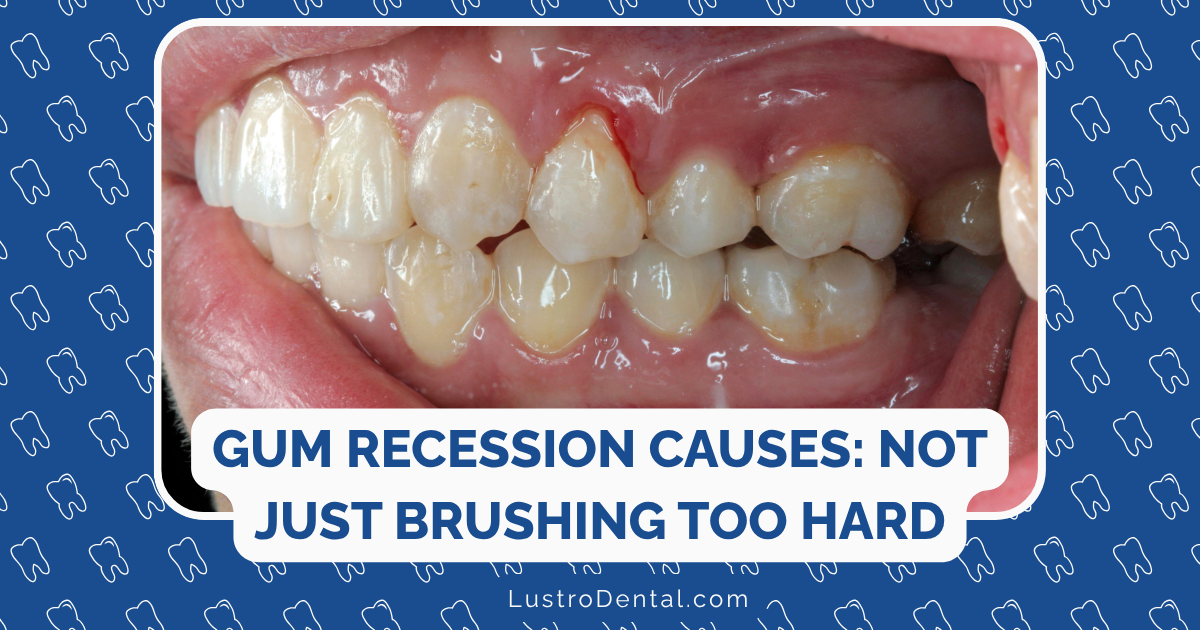
When most people think about receding gums, aggressive tooth brushing is often the first culprit that comes to mind. While it’s true that scrubbing your teeth with too much force or using a hard-bristled toothbrush can damage your gums, this is just one of many factors that can lead to gingival recession.
As someone who’s spent years advocating for comprehensive dental health education, I’ve found that many patients are surprised to learn about the wide range of factors—many beyond their control—that can contribute to this common condition. Understanding these diverse causes is the first step toward prevention and appropriate treatment.
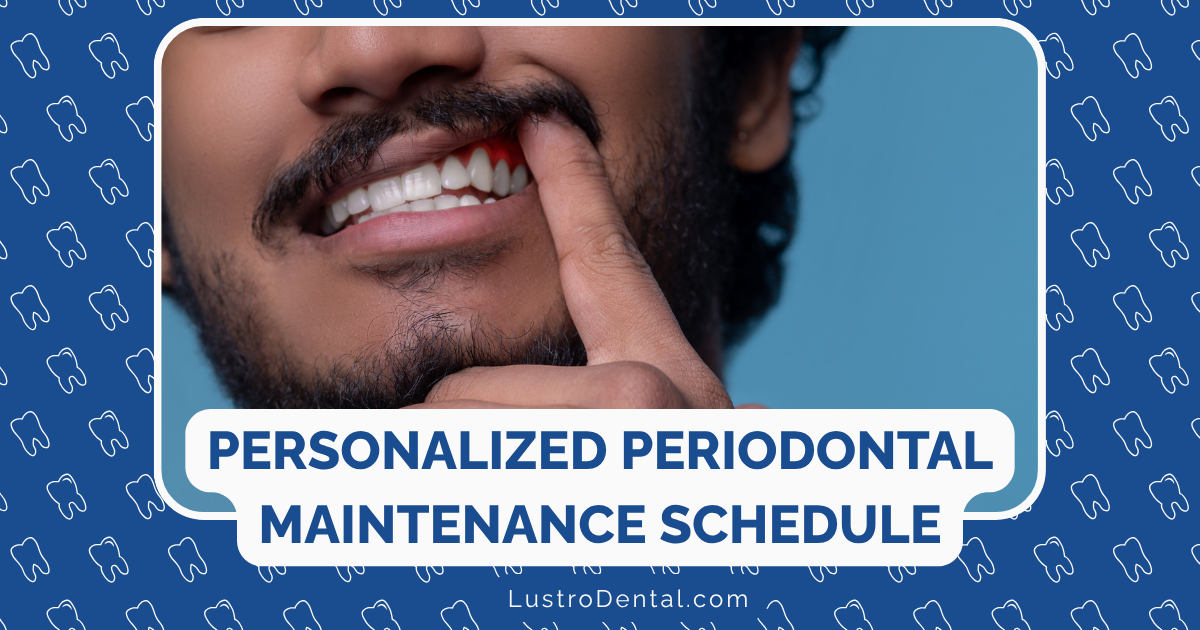
Before diving into causes, let’s clarify what we’re talking about. Gum recession occurs when the margin of gum tissue surrounding the teeth wears away or pulls back, exposing more of the tooth or its root. According to the Dental Update Journal, this condition affects more than 50% of the population across all age groups, with prevalence ranging from 58% to an astonishing 99.7% in some populations.
The severity is typically classified as:
Now, let’s explore the less discussed causes that might be affecting your gum health.
According to research from Cleveland Clinic, genetics plays a significant role in determining your susceptibility to gum recession, regardless of how diligently you care for your teeth.
Dr. Sarah Johnson, periodontist at the University of Michigan, explains: “About 30% of the population may be genetically predisposed to gum disease regardless of how well they care for their teeth. These individuals might need more frequent professional care and specialized home care routines.”
Hormonal fluctuations throughout life can significantly impact gum health, often in ways that aren’t immediately obvious to patients.
During puberty, increased levels of sex hormones like estrogen and progesterone increase blood flow to the gums and change how gum tissue responds to irritants like plaque. This can cause the gums to become swollen, tender, and more prone to bleeding.
Some women experience what’s called “menstruation gingivitis,” with symptoms including swollen, bleeding gums and sores inside the mouth that appear right before their period and clear up once it starts.
According to the National Center for Biotechnology Information, pregnancy can promote an inflammatory response related to gingivitis and periodontitis due to hormonal changes. “Pregnancy gingivitis” affects many expectant mothers, typically beginning in the second month and reaching peak severity in the eighth month.
The reduction in estrogen that occurs during menopause can lead to multiple oral changes, including:
Dr. Michael Chen, Director of Women’s Oral Health at Boston University, notes: “The hormonal roller coaster many women experience throughout their lives can have profound effects on gum health. Being aware of these vulnerable periods allows for more proactive care during these times.”
The relationship between oral health and overall health is bidirectional—systemic conditions can affect your gums, and gum disease can impact systemic health.
People with diabetes are at higher risk for gum disease, which can lead to recession. According to a PMC study, individuals with type 2 diabetes are at a higher risk for periodontal disease, and vice versa, indicating a bidirectional relationship.
The mechanism involves:
Several autoimmune conditions can directly impact gum health:
A 2023 study from the University of Birmingham found that 33% of individuals with gum disease developed autoimmune diseases such as rheumatoid arthritis, type 1 diabetes, and psoriasis.
The relationship between gum disease and heart disease is well-established. The same inflammatory processes that lead to gum recession can affect blood vessels throughout the body. The Birmingham study identified an 18% increased risk of developing cardiovascular disease in individuals with periodontal disease.
Many commonly prescribed medications can contribute to gum recession through various mechanisms.
Saliva plays a critical role in protecting your gums by washing away food particles and neutralizing acids. Medications that reduce saliva flow include:
These medications, often prescribed for autoimmune conditions or following organ transplantation, can reduce the body’s ability to fight infections, including those in the gums.
Drugs like phenytoin can cause gingival overgrowth in some patients, which, while seemingly the opposite of recession, can create deep pockets that eventually lead to recession.
These blood pressure medications can also cause gingival overgrowth in some patients.
Dr. Lisa Williams, pharmacist and dental health educator, advises: “Always inform your dentist about all medications you’re taking, including over-the-counter drugs and supplements. This information helps them anticipate potential oral health issues and develop preventive strategies.”
What you eat—or don’t eat—can significantly impact your gum health and contribute to recession.
According to Dr. Juan Carrillo, vitamin C deficiency is a direct cause of gum recession. This essential vitamin:
Historically, severe vitamin C deficiency (scurvy) was known to cause bleeding gums and tooth loss.
These nutrients work together to maintain bone health, including the alveolar bone that supports your teeth. Deficiencies can lead to bone loss, which often precedes gum recession.
B vitamins, particularly folate (B9) and B12, play important roles in cell repair and reducing inflammation.
This mineral supports immune function and wound healing, both important for maintaining healthy gums.
Chronic stress affects nearly every system in your body, including your oral health.
According to Grand Rapids Dentists, chronic stress:
Stress is a primary trigger for bruxism, which can cause:
A report from Smile Savers Dentistry notes that symptoms of stress-related bruxism include flattened, chipped, or cracked teeth, tooth pain, and headaches.
During periods of high stress, many people neglect self-care routines, including proper oral hygiene.
The frenum is a piece of tissue that connects your lips to your gums. According to Healthline, an abnormally high or thick frenum attachment can:
This condition often requires a simple surgical procedure called a frenectomy to prevent ongoing gum recession.
Lip and tongue piercings can cause significant gum recession through constant trauma to gum tissue. According to ResearchGate:
While braces and aligners can correct misaligned teeth, the tooth movement involved can sometimes contribute to gum recession, particularly when:
Studies reported in ResearchGate found buccal gingival recessions in about 20% to 35% of patients after orthodontic treatment.
Both smoking and smokeless tobacco products significantly increase the risk of gum recession by:
According to the NCBI, tobacco smoking increases the risk for periodontal diseases 5-20 fold, with an odds ratio of 5.4 between smoking and chronic periodontitis.
Given the numerous potential causes of gum recession, it’s important to work with your dental professional to identify your specific risk factors. Consider these questions:
While some causes of gum recession are beyond your control, there are still many steps you can take to protect your gum health:
If you notice any of these signs, consult with a dental professional promptly:
Gum recession is rarely caused by a single factor. More often, it results from a combination of genetic predisposition, systemic health factors, and lifestyle elements. By understanding the diverse causes beyond aggressive brushing, you can take a more comprehensive approach to protecting your gum health.
Remember that gum tissue doesn’t regenerate naturally once lost, making prevention and early intervention crucial. Work closely with your dental team to develop a personalized strategy based on your specific risk factors and needs.
Have you noticed signs of gum recession? What factors beyond brushing might be contributing to your situation? Share your experience in the comments below.