🦷 General Care
✨ Treatments
👶 Family Care
💚 Wellness
💡 Resources

🦷 General Care
✨ Treatments
👶 Family Care
💚 Wellness
💡 Resources

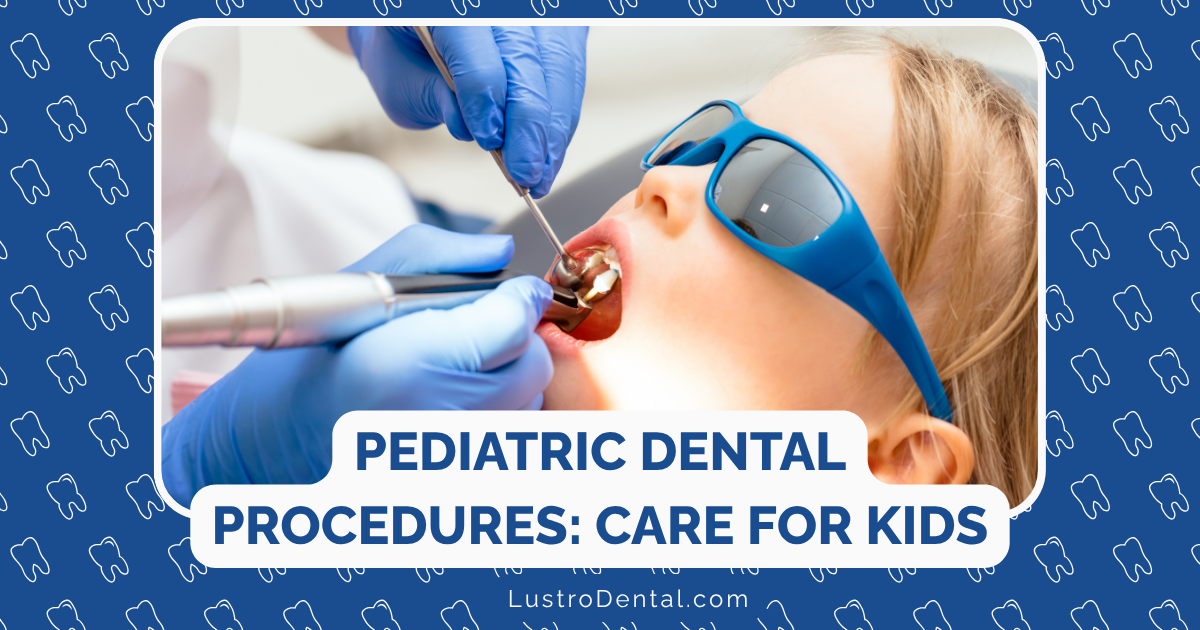
When it comes to dental care, children aren’t simply “small adults.” Their unique developmental needs, psychology, and even the structure of their teeth require specialized approaches that differ significantly from adult dental procedures.
As someone passionate about dental health education, I’ve seen how understanding these differences can transform a child’s dental experience from potentially frightening to positive and empowering. This knowledge also helps parents better prepare their children and set appropriate expectations for dental visits.
Let’s explore the key ways pediatric dental procedures differ from adult procedures and why these differences matter for your child’s immediate comfort and long-term dental health.
The most fundamental difference between pediatric and adult dentistry lies in their primary focus:
Pediatric dentistry emphasizes prevention and development. The goal is to establish healthy teeth and good oral habits that will last a lifetime. This means:
Dr. Sarah Johnson of the American Academy of Pediatric Dentistry explains: “With children, we’re not just treating teeth—we’re guiding the development of the entire oral cavity while helping establish habits that will protect their dental health for decades to come.”
Adult dentistry, by contrast, focuses more on maintenance and restoration. Adults typically need:
This fundamental difference in philosophy shapes everything from the office environment to the specific procedures performed.
Perhaps the most visible difference in pediatric dentistry is the array of specialized techniques used to help children feel comfortable and cooperative during treatment.
This cornerstone technique involves:
This approach builds trust and reduces anxiety by eliminating the fear of the unknown. Adult procedures typically involve less demonstration and more direct explanation.
Pediatric dentists use specific, immediate praise to reinforce cooperative behavior:
While adults certainly appreciate positive feedback too, the systematic use of reinforcement is much more pronounced in pediatric settings.
Pediatric dentists are trained to use voice modulation—changing tone, volume, and pace—to gain attention, establish authority, or calm an anxious child. This technique is rarely used with adults, who might find it condescending rather than reassuring.
Children benefit enormously from distraction during dental procedures:
According to research published in the Journal of Dental Anesthesia and Pain Medicine, effective distraction can significantly reduce anxiety and perceived pain during pediatric dental procedures.
When behavior management techniques aren’t sufficient, pediatric dentistry offers sedation options specifically tailored to children’s needs and safety.
While used for both children and adults, the administration differs:
Pediatric dentists often use oral medications to help anxious children relax:
Dr. Michael Chen, pediatric dental anesthesiologist at Children’s Dental Health Associates, notes: “Children metabolize medications differently than adults, and their airways have anatomical differences that require specialized training to manage safely during sedation.”
When general anesthesia is necessary, the approach differs:
The tools and materials used in pediatric dentistry are specifically designed for smaller mouths and developing teeth.
These adaptations aren’t just about physical comfort—they help reduce anxiety by making the experience more approachable and less intimidating.
Several preventive treatments are much more common in pediatric dentistry than adult practice:
While occasionally used for adults, dental sealants are a standard preventive measure for children:
Although beneficial for all ages, professional fluoride treatments are:
These appliances, used exclusively in pediatric dentistry, help:
The way dental professionals communicate with patients differs dramatically between pediatric and adult settings.
Pediatric dentists use:
Dr. Lisa Williams of Pediatric Dental Specialists explains: “We develop an entirely different vocabulary for working with children. Terms that seem harmless to adults, like ‘drill’ or ‘shot,’ can create unnecessary fear in children.”
Children often benefit from:
The physical environment in pediatric dental offices is designed with psychological comfort in mind:
These environmental differences aren’t superficial—research shows that child-friendly environments can significantly reduce dental anxiety and improve cooperation.
The involvement of parents represents another significant difference:
These specialized approaches in pediatric dentistry aren’t just about making dental visits more pleasant—though that’s certainly important. They serve critical long-term purposes:
Dr. James Wilson of the American Dental Association notes: “The experiences children have in the dental chair during their formative years often shape their willingness to seek dental care as adults. Specialized pediatric approaches help ensure those experiences build confidence rather than fear.”
Children deserve dental approaches tailored to their unique developmental needs, psychology, and anatomy. The specialized techniques, equipment, and communication strategies used in pediatric dentistry aren’t just “extras”—they’re essential components of appropriate care that help set children up for a lifetime of good oral health.
Understanding these differences can help parents appreciate why pediatric dental specialists exist and the value they bring to children’s healthcare. It also helps set appropriate expectations for dental visits and supports parents in preparing their children effectively.
Whether your child sees a pediatric specialist or a family dentist with experience treating children, knowing about these child-specific approaches can help you advocate for a dental experience that meets your child’s unique needs.
Has your child had a positive experience with kid-friendly dental treatments? Share your story in the comments below!