🦷 General Care
✨ Treatments
👶 Family Care
💚 Wellness
💡 Resources

🦷 General Care
✨ Treatments
👶 Family Care
💚 Wellness
💡 Resources

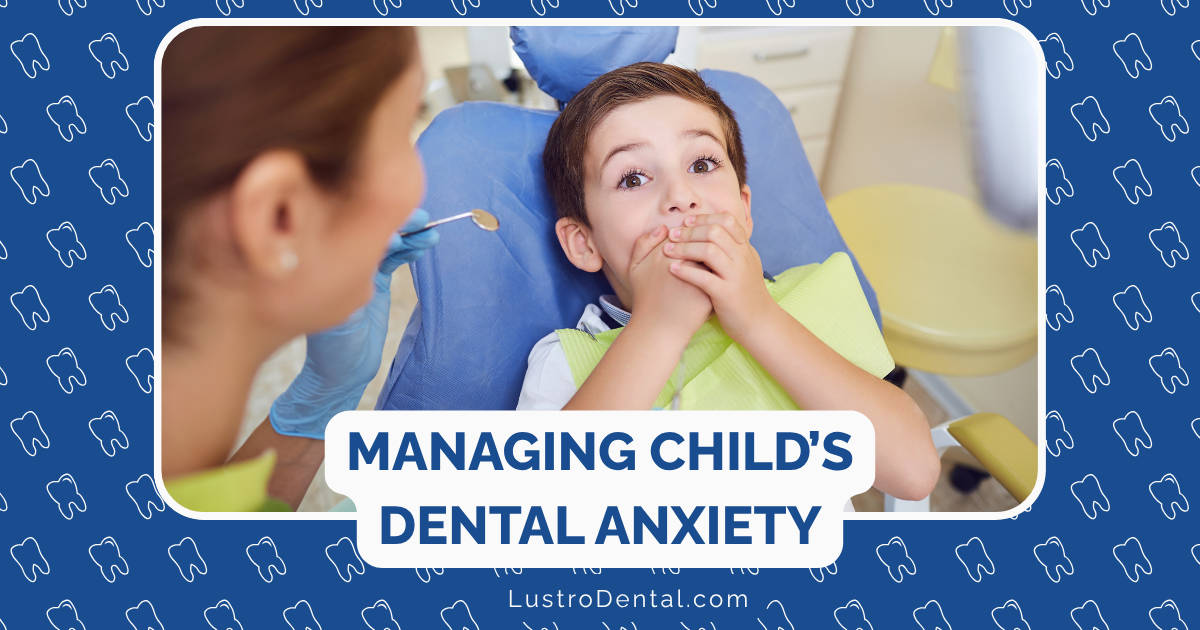
The sound of a child crying in the dental office is all too familiar. As someone who’s passionate about dental health education, I’ve seen firsthand how early negative experiences can shape a child’s perception of dental care for years—sometimes even decades—to come. But I’ve also witnessed remarkable transformations when the right approaches are used to turn those tears into smiles.
Creating positive dental experiences isn’t just about preventing meltdowns—it’s about laying the foundation for a lifetime of good oral health habits and attitudes. Research from the National Institutes of Health shows that dental anxiety developed in childhood often persists into adulthood, affecting willingness to seek regular dental care throughout life.
The good news? With thoughtful preparation, the right environment, and effective techniques, we can transform dental visits from something feared into something embraced—or at least accepted without drama. Let’s explore practical strategies that parents, dental professionals, and children themselves can use to make dental visits positive experiences.
Before we can effectively address child’s dental anxiety, it helps to understand its common causes:
Children thrive on predictability and routine. The unfamiliar sights, sounds, and sensations of a dental office can trigger anxiety simply because they’re new and unpredictable.
Being asked to lie back in a chair while someone works in their mouth puts children in a vulnerable position where they feel they have little control over what happens.
Even without prior negative experiences, children may have heard stories from peers or siblings, seen frightening portrayals in media, or simply made assumptions that dental visits will hurt.
For some children, anxiety stems from actual negative experiences, whether at the dentist or in other medical settings that they associate with dental care.
Dr. Sarah Johnson, a pediatric dentist at Children’s Dental Health Associates, explains: “Understanding the specific source of a child’s dental anxiety is the first step in addressing it effectively. Different fears require different approaches.”
The groundwork for a positive dental experience begins long before your child sits in the dental chair.
The American Academy of Pediatric Dentistry recommends a child’s first dental visit by their first birthday or within six months after their first tooth appears. These early visits are typically short and simple, focusing more on introducing the child to the dental environment than on extensive treatment.
Dr. Michael Chen of Pediatric Dental Specialists notes: “When children begin dental visits before they develop fears, we have the opportunity to create positive associations from the start. Prevention is always easier than cure—for both dental problems and dental anxiety.”
The words we use to describe dental visits significantly impact a child’s expectations. Consider:
Words to Avoid:
Positive Alternatives:
Numerous children’s books and videos are specifically designed to prepare children for dental visits in a positive way. Some excellent options include:
These resources familiarize children with what happens during dental visits through characters they already know and trust.
Play-based preparation can significantly reduce anxiety by making the unfamiliar familiar. Try:
This playful approach helps children develop scripts for how to behave at the dentist while making the experience feel more predictable and less threatening.
The physical environment of a dental office plays a crucial role in shaping children’s perceptions and comfort levels.
Pediatric dental offices are increasingly designed with children’s comfort in mind, featuring:
Beyond physical design, the human element is equally important:
For many children, especially those with sensory sensitivities, dental offices can be overwhelming. Progressive practices address this by offering:
When it’s time for the actual dental work, several evidence-based approaches can help transform the experience.
This widely used approach breaks down dental procedures into three steps:
This technique builds trust through predictability and gives children time to process what will happen before it occurs.
Redirecting a child’s attention away from the dental procedure can significantly reduce anxiety:
Research published in the Journal of Dental Research indicates that effective distraction can reduce both perceived pain and anxiety during dental procedures.
Giving children appropriate control during dental visits can significantly reduce anxiety:
Dr. Lisa Williams of Bright Smiles Pediatric Dentistry explains: “When children feel they have some control in the dental environment, their anxiety decreases dramatically. Even small choices can make a big difference in their comfort level.”
Acknowledging and rewarding cooperative behavior reinforces positive associations with dental visits:
The key is to praise effort and cooperation rather than just “being brave” or “not crying,” which can inadvertently suggest that dental visits should be scary.
Parents play a crucial role in shaping children’s dental experiences, both positively and negatively.
Children are remarkably perceptive to their parents’ emotions. If you have dental anxiety yourself:
Research from the American Academy of Pediatric Dentistry shows mixed results regarding parental presence during dental procedures. While some children benefit from having a parent nearby, others may actually behave better when parents aren’t in the treatment room.
Most pediatric dentists now use flexible approaches:
How you talk about dental visits at home significantly impacts your child’s perception:
Effective approaches vary based on a child’s developmental stage.
For very young children:
As children develop more understanding:
For teens:
For some children with severe anxiety or special needs, additional strategies may be necessary.
Some practices offer “happy visits” or desensitization appointments where children:
These visits build familiarity without any actual treatment, creating positive associations with the dental environment.
In some cases, medication-based approaches may be appropriate:
These approaches should always be discussed thoroughly with parents and used as part of a comprehensive anxiety management plan, not as the sole solution.
The ultimate goal is not just to get through a single appointment but to foster a lifetime of positive dental attitudes.
Regular dental visits (typically every six months) help normalize the experience. Consistency in:
This predictability builds security and reduces anxiety over time.
Preventive care means fewer invasive procedures, which naturally leads to more positive experiences:
Dr. James Wilson notes: “The best dental visit is one where we just count, clean, and polish. By focusing on prevention, we can keep most visits simple and positive.”
Remember that transforming dental experiences from negative to positive is often a journey, not an instant change. Small improvements with each visit add up to significant progress over time.
A child who screamed through their first visit but sat quietly (albeit nervously) during their second has made remarkable progress. Celebrate these incremental changes rather than expecting immediate comfort.
With patience, consistency, and thoughtful approaches, even children with significant dental anxiety can develop healthier attitudes toward dental care—a gift that will benefit them throughout their lives.
What strategies have worked best for your family in creating positive dental experiences? Share your success stories or questions in the comments below!