🦷 General Care
✨ Treatments
👶 Family Care
💚 Wellness
💡 Resources

🦷 General Care
✨ Treatments
👶 Family Care
💚 Wellness
💡 Resources

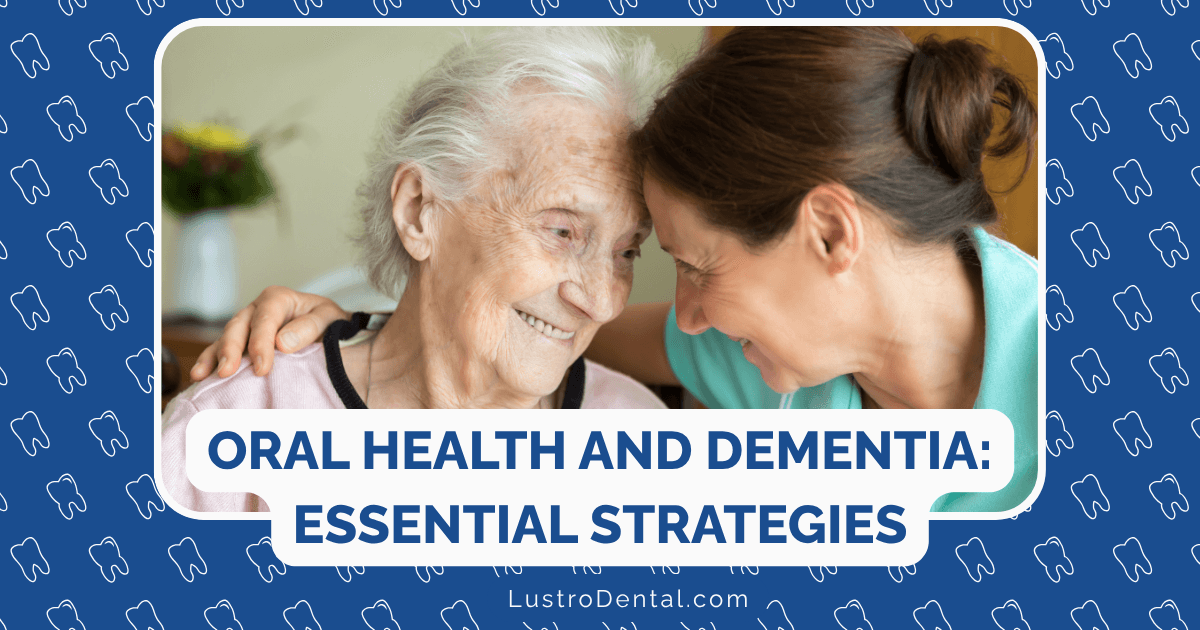
As a dental health advocate who has worked with countless families navigating the challenges of dementia care, I’ve witnessed firsthand how oral health often becomes a battleground. The simple act of brushing teeth—something most of us do automatically—can transform into a complex and emotionally charged experience for both the person with dementia and their caregiver.
Yet maintaining good oral health remains critically important, perhaps even more so for those with cognitive impairment. Poor oral hygiene doesn’t just lead to cavities or gum disease; it can contribute to serious health complications, exacerbate dementia symptoms, and significantly impact quality of life.
In this guide, I’ll share practical, compassionate strategies that can help caregivers navigate the challenges of providing effective oral care for loved ones with dementia.
Before diving into specific techniques, it’s important to understand why oral health matters so much in the context of dementia care.
Research has uncovered a concerning bidirectional relationship between oral health and cognitive function. A study from Downers Grove Health Center found that individuals with chronic gum disease for ten years or more have a 70% higher risk of developing Alzheimer’s disease. Meanwhile, cognitive decline makes maintaining oral hygiene increasingly difficult, creating a troubling cycle.
Dr. Sarah Chen, a geriatric dentist specializing in dementia care, explains: “The bacteria associated with periodontal disease can trigger inflammatory responses throughout the body, including the brain. At the same time, as cognitive function declines, the ability to maintain oral hygiene diminishes, allowing these bacteria to flourish.”
Poor oral health in dementia patients can lead to:
As noted by the Alzheimer’s Association, good dental care is essential for avoiding mouth infections, digestion problems, and the need for complicated dental procedures that become increasingly challenging to manage as dementia progresses.
Caregivers often face multiple obstacles when helping someone with dementia maintain oral health:
As dementia progresses, understanding and following instructions becomes difficult. A person may not comprehend what you’re asking them to do or why it’s important.
According to research published in the Journal of Gerontological Nursing, up to 80% of certified nursing assistants report experiencing care-resistant behaviors during mouth care. These can range from mild (clenching the mouth shut) to severe (hitting or pushing away caregivers).
Even in early stages, a person with dementia may forget steps in the brushing process or that they need to brush at all.
Dementia often affects fine motor skills, making it physically challenging to hold and manipulate a toothbrush effectively.
Many people with dementia develop heightened sensitivities to tastes, textures, and sensations, making the experience of brushing uncomfortable or even frightening.
Despite these challenges, there are numerous approaches that can help make oral care more manageable and less stressful for everyone involved.
The setting in which oral care takes place can significantly impact success:
Today’s RDH suggests that performing oral care in a relaxed environment, such as while watching a favorite show, can help reduce resistance.
When you attempt oral care can be just as important as how you do it:
How you communicate during oral care can dramatically affect outcomes:
This three-step approach has proven effective across multiple studies:
The Alzheimer’s Society UK emphasizes the importance of gentle encouragement and positive reinforcement throughout the oral care process.
The right tools can make a significant difference:
According to Geriatric House Call Dentistry, adaptive tools can significantly reduce the physical challenges of providing oral care.
When resistance occurs, these strategies may help:
This technique involves having the person hold an identical toothbrush while you brush their teeth, giving them a sense of control and participation in the process.
Gently place your hand over theirs to guide the toothbrush, allowing them to feel involved in the process while ensuring proper technique.
Sit facing the person and brush your own teeth, encouraging them to mirror your actions.
If the person refuses care completely:
Research from Beyond Well Home Care suggests that engaging distractions, like soft music or pleasant conversation, can help redirect attention during oral care.
Different stages of dementia require adapted approaches to oral care:
In the early stage, the person may still be able to brush independently but might need reminders or supervision:
During the middle stage, more hands-on assistance is typically needed:
In advanced dementia, the caregiver will likely need to perform all oral care:
The Alzheimer’s Society UK notes that in later stages, the focus shifts to keeping the mouth clean and comfortable to prevent infections and discomfort.
Regular professional dental care remains important throughout the dementia journey:
Look for a dentist who:
According to Blende Dental Group, morning appointments are generally best, as patients tend to be more cooperative earlier in the day when fatigue is minimal.
While brushing and flossing form the foundation of oral care, additional preventive measures can help maintain oral health:
Many medications commonly prescribed for dementia and related conditions cause dry mouth, increasing the risk of decay and gum disease:
Caregivers should routinely check for signs of dental problems:
Providing oral care for someone with dementia can be physically and emotionally taxing. Remember to:
As noted by Today’s RDH, caregiver distress affects 45% of those supporting older adults with dementia. Taking care of your own wellbeing is essential for providing effective care.
Maintaining oral health for someone with dementia requires patience, creativity, and adaptability. There will be challenging days when perfect oral care simply isn’t possible, and that’s okay. The goal is to provide the best care possible while preserving dignity and minimizing distress.
Remember that your efforts make a significant difference not just to the person’s oral health, but to their overall comfort, nutrition, and quality of life. By approaching oral care with compassion and using the strategies outlined above, you can help ensure that dental health doesn’t become an additional burden in the dementia journey.
As with all aspects of dementia care, flexibility and a willingness to try different approaches are key. What works today may not work tomorrow, and what works for one person may not work for another. Trust your knowledge of the person you’re caring for, be willing to adapt, and don’t hesitate to seek professional guidance when needed.
Do you have experience caring for someone with dementia? What oral care strategies have worked best for you? Share your insights in the comments below to help other caregivers on this journey.