Extra Precautions: Dental Care Protocols for Immunocompromised Patients
Providing dental care to immunocompromised patients requires a delicate balance between addressing oral health needs and protecting these vulnerable individuals from potential infections. With immune system deficiencies affecting a significant portion of the population—including those with HIV/AIDS, cancer patients undergoing chemotherapy, organ transplant recipients, and individuals with autoimmune disorders—dental professionals must implement enhanced protocols to ensure safe and effective treatment.
According to the College of Dental Hygienists of Ontario, immunocompromised patients are at significantly increased risk of infection, with fever being a critical warning sign. This heightened susceptibility makes routine dental procedures potentially risky without proper precautions.
This comprehensive guide explores the essential protocols and adaptations necessary for providing safe dental care to immunocompromised patients, helping both dental professionals and patients navigate these complex situations.
Oral manifestations of systemic conditions: Specific lesions or conditions that indicate underlying disease
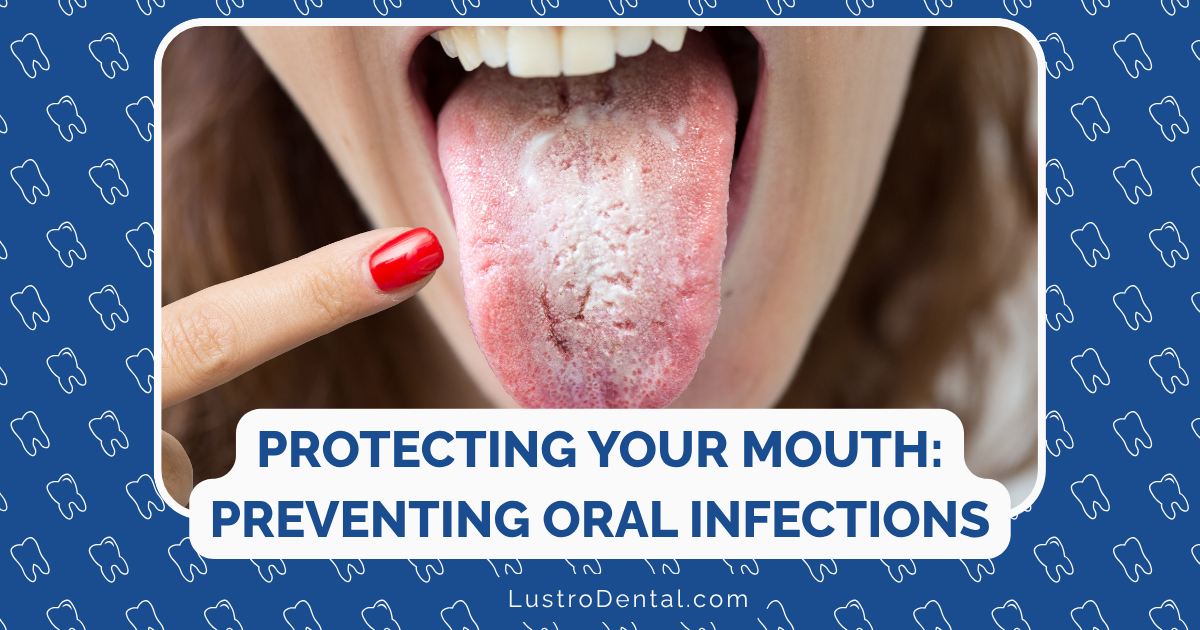
According to research published in PMC, oral diseases in immunocompromised people tend to be more common with poor oral hygiene, malnutrition, and tobacco use, with candidiasis being one of the most common lesions.
Pre-Treatment Assessment and Planning
Comprehensive Medical History
Before providing dental treatment to immunocompromised patients, a thorough medical assessment is essential:
Detailed medical history:
Specific diagnosis and current status of the immunocompromising condition
Use of masks, gloves, protective eyewear, and gowns
Change PPE between patients
Consider N95 respirators for certain procedures
Environmental considerations:
Schedule immunocompromised patients as the first appointment of the day when the environment is cleanest
Enhanced surface disinfection before and after treatment
Use of disposable barriers on surfaces and equipment
Proper ventilation systems to reduce airborne contaminants
Minimize unnecessary items in the treatment area
Instrument sterilization:
Strict adherence to sterilization protocols
Regular monitoring of sterilization effectiveness
Use of single-use disposable items when possible
According to the National Center for Biotechnology Information, infection prevention and control measures in dental settings aim to minimize the transmission of pathogens between patients and dental healthcare workers, with standard precautions implemented for all patients and transmission-based precautions applied for patients at risk of spreading infectious diseases.
Water Quality Management
Dental unit waterlines can harbor microorganisms that pose minimal risk to healthy individuals but may be dangerous for immunocompromised patients:
Use of independent water reservoirs with treated water
Implementation of water line treatments and flushing protocols
Consider sterile water or saline for surgical procedures
Aerosol reduction:
Use of high-volume evacuation
Rubber dam isolation when possible
Minimizing use of ultrasonic scalers and high-speed handpieces
Consider hand instrumentation alternatives
Antibiotic Prophylaxis Considerations
Current Guidelines
The use of antibiotic prophylaxis for immunocompromised patients remains somewhat controversial, with varying recommendations:
American Dental Association (ADA) recommendations:
According to the ADA, there are relatively few patient subpopulations for whom antibiotic prophylaxis is indicated
Consultation with the patient’s physician is advised for managing patients with immune compromise
Patient-specific considerations:
Neutropenic patients (absolute neutrophil count <500 cells/mm³) generally require prophylaxis
Severely immunocompromised patients (e.g., recent transplant recipients, those undergoing active chemotherapy)
Patients with indwelling catheters or prosthetic devices
Procedure-based considerations:
Invasive dental procedures that involve manipulation of gingival tissue or perforation of oral mucosa
Procedures likely to induce significant bleeding
Routine preventive procedures typically do not require prophylaxis
Recommended Regimens
When antibiotic prophylaxis is indicated:
Standard regimen:
Amoxicillin: 2g orally 30-60 minutes before procedure (adults)
Amoxicillin: 50mg/kg orally 30-60 minutes before procedure (children)
For penicillin-allergic patients:
Clindamycin: 600mg orally 30-60 minutes before procedure (adults)
Clindamycin: 20mg/kg orally 30-60 minutes before procedure (children)
Azithromycin or clarithromycin: 500mg orally 30-60 minutes before procedure (adults)
Azithromycin or clarithromycin: 15mg/kg orally 30-60 minutes before procedure (children)
Timing considerations:
Ideally administered 30-60 minutes before the procedure
Can be given up to 2 hours after the procedure if forgotten
According to Digital Editions Walsworth, the decision to use antibiotic prophylaxis should be made on an individual basis, considering the patient’s medical history and risk factors.
Specific Protocols for Different Immunocompromised Conditions
HIV/AIDS Patients
Patients with HIV require special considerations:
Treatment modifications:
Evaluate CD4+ count and viral load to assess immune status
CD4+ count >500 cells/mm³: standard dental care generally safe
CD4+ count 200-500 cells/mm³: increased risk of complications, consider antibiotic prophylaxis for invasive procedures
CD4+ count <200 cells/mm³: high risk, consult with physician before invasive procedures
Oral manifestations to monitor:
Oral candidiasis (thrush)
Oral hairy leukoplakia
Kaposi’s sarcoma
Linear gingival erythema
Necrotizing ulcerative periodontitis
Aphthous ulcers
Medication considerations:
Be aware of potential interactions between dental medications and antiretroviral therapy
Monitor for xerostomia (dry mouth) as a side effect of medications
According to the American Dental Association, HIV-related oral conditions occur in 30-80% of HIV-infected individuals, and xerostomia is reported in up to 40% of HIV-positive patients.
Before chemotherapy: eliminate sources of infection, perform invasive procedures at least 2 weeks before chemotherapy begins
During chemotherapy: emergency care only when blood counts are adequate, consult with oncologist
After chemotherapy: delay elective treatment until immune recovery (typically 3-6 months)
Hematological considerations:
White blood cell count >2,000 cells/mm³ and absolute neutrophil count >1,000 cells/mm³ generally safe for routine dental care
Platelet count >50,000/mm³ needed for most dental procedures
Platelet count <50,000/mm³ may require platelet transfusion before invasive procedures
Radiation therapy considerations:
Patients with head and neck radiation have increased risk of osteoradionecrosis
Antibiotic prophylaxis often recommended for extractions in previously irradiated areas
Hyposalivation management critical for reducing caries risk
Transplant Recipients
Organ transplant patients require lifelong immunosuppression:
Treatment timing:
Pre-transplant: eliminate all sources of infection
Post-transplant (0-3 months): emergency care only with physician consultation
Post-transplant (3-6 months): limited care with antibiotic prophylaxis
Post-transplant (>6 months with stable graft function): routine care with consideration for prophylaxis
Medication interactions:
Cyclosporine can cause gingival hyperplasia
Tacrolimus may interact with certain antibiotics and antifungals
Corticosteroids can mask signs of infection
NSAIDs may affect renal function
Special concerns:
Increased risk of oral candidiasis
Higher prevalence of oral lesions, including viral infections
Delayed wound healing
According to Clinical Info HIV, a multidisciplinary team should manage people with HIV before, during, and after transplant, and transplant candidates should be up-to-date on their vaccination schedule.
Clinical Procedures and Adaptations
Diagnostic Procedures
Radiographic examinations:
Digital radiography preferred to reduce radiation exposure
Extraoral radiographs when possible to reduce intraoral manipulation
Proper barrier protection for sensors and equipment
Oral examination:
Thorough soft tissue examination to detect early signs of infection or disease
Water flossers may be beneficial for some patients
Supplemental aids:
Antimicrobial mouth rinses (alcohol-free)
Fluoride rinses or gels
Saliva substitutes for xerostomia
According to Science Direct, recommended oral hygiene for immunodeficient patients includes brushing teeth and tongue 2 to 3 times per day and flossing once a day.
Warning Signs and Emergency Management
Patients should be educated about signs requiring immediate attention:
Warning signs:
Fever (often the first sign of infection)
Persistent pain or swelling
Bleeding that doesn’t stop with pressure
White or unusual patches in the mouth
Ulcers that don’t heal within 2 weeks
Emergency protocols:
Direct contact information for dental provider
When to seek emergency dental vs. medical care
Documentation of medical conditions and medications to share with emergency providers
Interdisciplinary Communication
Coordination with Medical Providers
Effective communication between dental and medical providers is essential:
Consultation requests:
Specific questions about patient’s immune status
Clear description of planned dental procedures
Request for recommendations regarding antibiotic prophylaxis
Information about potential medication interactions
Documentation:
Detailed treatment notes
Communication logs with medical providers
Updated medical history at each visit
Laboratory values when applicable
Shared decision-making:
Involving the patient in treatment planning
Weighing risks and benefits of different approaches
Considering quality of life implications
Conclusion: Balancing Oral Health Needs and Safety
Providing dental care to immunocompromised patients requires a thoughtful, individualized approach that balances addressing oral health needs with minimizing infection risks. While these patients may require additional precautions, most can safely receive necessary dental treatment with proper planning and modifications.
Key principles to remember include:
Thorough assessment of the patient’s immune status and medical condition
Close collaboration with medical providers
Enhanced infection control protocols
Judicious use of antibiotic prophylaxis when indicated
Individualized treatment planning based on risk assessment
Patient education about the importance of oral health and home care
Regular follow-up to monitor oral health status
By implementing these specialized protocols, dental professionals can provide safe, effective care to immunocompromised patients, helping them maintain oral health despite their underlying medical challenges.