Personal Protective Equipment in Dentistry: What Each Item Does
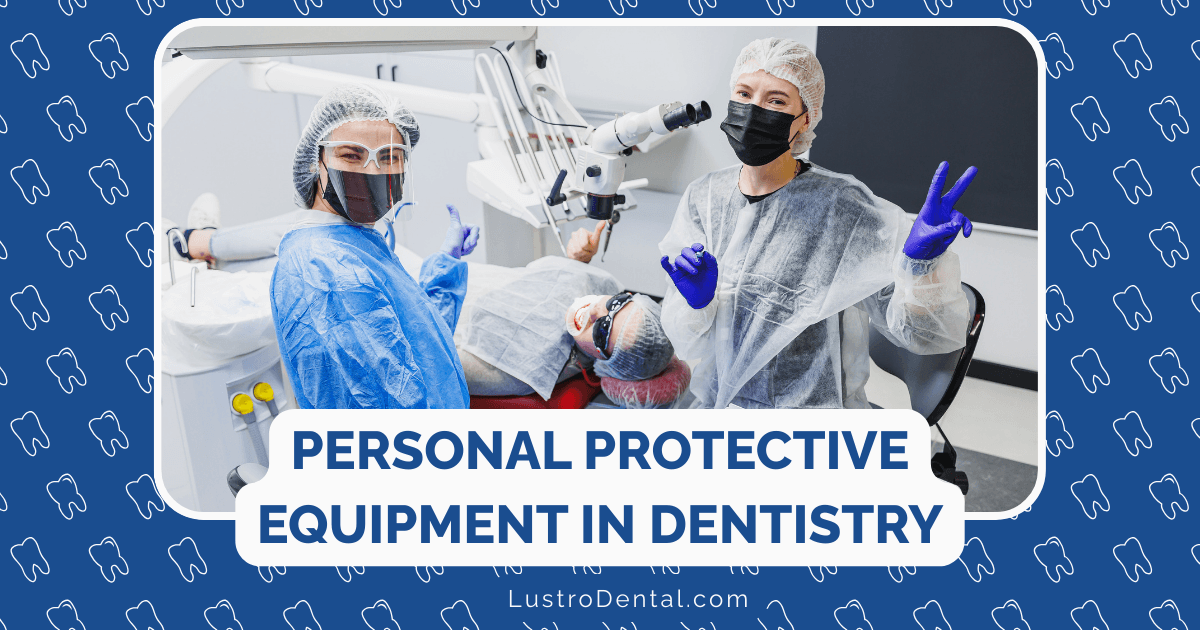
When you step into a dental office, you might notice the array of protective gear worn by your dental team. Far from being merely procedural formalities, each piece of personal protective equipment (PPE) serves a specific and vital function in maintaining a safe environment for both patients and practitioners. In this comprehensive guide, we’ll explore the purpose and function of each PPE item used in modern dentistry, helping you understand the science and safety behind these essential protective measures.
The oral cavity is home to hundreds of microbial species, and dental procedures often generate aerosols, splatter, and potential contact with blood and saliva. This creates a uniquely challenging environment for infection control.
According to the Centers for Disease Control and Prevention (CDC), “Personal protective equipment (PPE) refers to wearable equipment that is designed to protect dental health care personnel (DHCP) from exposure to or contact with infectious agents.” Without proper PPE, both dental professionals and patients would face significant risks of cross-contamination and disease transmission.
The COVID-19 pandemic heightened awareness of PPE’s importance, but dental professionals have long recognized its critical role in maintaining a safe practice environment. Let’s examine each component of dental PPE and understand its specific protective function.
Gloves: The First Line of Defense
Types of Dental Gloves
Dental practices typically utilize three main types of gloves, each serving distinct purposes:
Examination Gloves: Used for routine, non-surgical dental procedures. These come in various materials:
Latex: Traditional option with excellent tactile sensitivity
Nitrile: Synthetic alternative for those with latex allergies; offers superior puncture resistance
Vinyl: More economical option for brief, non-invasive procedures
Sterile Surgical Gloves: Required for surgical procedures, these undergo rigorous sterilization and are individually packaged to maintain sterility.
Utility Gloves: Heavy-duty, reusable gloves used for cleaning instruments, surfaces, and handling contaminated materials.
Function and Protection
Gloves serve several critical functions in dentistry:
Barrier Protection: They prevent direct contact with potentially infectious materials, including blood, saliva, and mucous membranes.
Cross-Contamination Prevention: By changing gloves between patients, dental professionals avoid transferring microorganisms from one patient to another.
Bidirectional Protection: Gloves protect both the dental team from patient microorganisms and patients from microorganisms on the hands of dental personnel.
Research published in the Journal of Dental Research demonstrates that intact gloves can block more than 99% of microorganisms from passing through, provided they remain undamaged during use.
Proper Use Guidelines
The protective function of gloves is only maintained when they are used correctly:
Gloves must be changed between every patient
They should be replaced if torn, punctured, or contaminated
Hands must be thoroughly washed before and after glove use
Gloves should never be washed or reused (except for designated utility gloves)
Different gloves should be used for different tasks within the same patient appointment
Masks and Respirators: Respiratory Protection
Types of Facial Protection
Dental professionals use several types of masks and respirators:
ASTM-Rated Surgical Masks: These come in three levels of protection:
Level 1: For procedures with minimal fluid, spray, or aerosols
Level 2: For moderate fluid, spray, or aerosols
Level 3: For procedures generating heavy amounts of fluid, spray, or aerosols
N95 Respirators: These filter at least 95% of airborne particles and provide a tighter facial fit than standard masks.
KN95 Respirators: Similar to N95s but manufactured to meet Chinese standards.
Function and Protection
Masks and respirators provide critical protection by:
Filtering Inhaled Air: They reduce the inhalation of potentially infectious aerosols and droplets
Containing Exhaled Particles: They help prevent the wearer from spreading respiratory droplets
Protecting Mucous Membranes: They shield the nose and mouth from splashes and spatter
Reducing Surface Contamination: They minimize the risk of touching the face with contaminated hands
According to a study published in the Journal of the American Dental Association, properly fitted N95 respirators can filter out 99.8% of particles generated during dental procedures, significantly reducing exposure risk.
Proper Use Guidelines
To maintain their protective function:
Masks should completely cover the nose and mouth
They should fit snugly against the face without gaps
They must be changed between patients
They should be replaced if wet, soiled, or damaged
N95 respirators require proper fit testing to ensure effectiveness
Masks should never be worn around the neck or reused
Protective Eyewear: Ocular Safety
Types of Eye Protection
Dental professionals use several forms of eye protection:
Safety Glasses with Side Shields: Basic protection for routine procedures
Goggles: Provide more comprehensive protection, including against side splatter
Face Shields: Offer broader facial coverage, often used in conjunction with glasses or goggles
Magnification Loupes with Side Shields: Combine visual enhancement with protective features
Splash Protection: Shields eyes from splashes of blood, saliva, and other fluids
Impact Protection: Guards against flying debris during procedures like crown removal or laboratory work
Aerosol Barrier: Reduces exposure to potentially infectious aerosols
UV Protection: Some protective eyewear blocks harmful ultraviolet light from curing lamps
The Occupational Safety and Health Administration (OSHA) reports that eye injuries account for a significant percentage of workplace injuries in healthcare settings, underscoring the importance of proper eye protection.
Proper Use Guidelines
To ensure maximum protection:
Eye protection should be worn throughout all patient interactions
It should be cleaned and disinfected between patients
Personal prescription glasses alone are insufficient without side shields
Face shields should be used in conjunction with masks, not as replacements
Eye protection should be comfortable enough to avoid adjustment during procedures
Protective Clothing: Comprehensive Coverage
Types of Protective Attire
Several garments provide body protection in dental settings:
Disposable Gowns: Single-use, fluid-resistant coverings for procedures
Reusable Gowns: Washable alternatives typically made of tightly woven fabric
Lab Coats: Longer garments providing coverage for less aerosol-intensive procedures
Surgical Gowns: Higher-level protection for surgical dental procedures
Disposable Aprons: Supplemental protection for high-splash procedures
Function and Protection
Protective clothing provides:
Splash Barrier: Prevents contamination of underlying clothing and skin
Cross-Contamination Prevention: Reduces the transfer of microorganisms between patients
Environmental Containment: Limits the spread of microorganisms to surfaces in the dental office
Home Exposure Prevention: Minimizes the risk of bringing contaminants home on personal clothing
Research in the Journal of Hospital Infection has demonstrated that dental professionals’ clothing can become significantly contaminated during procedures, highlighting the importance of protective garments.
Proper Use Guidelines
For optimal protection:
Protective clothing should have long sleeves and high necks
It should be changed if visibly soiled or wet
It should be removed before leaving clinical areas
Disposable gowns should be discarded after single use
Reusable gowns should be laundered according to specific protocols
Head and Foot Protection: Often Overlooked Elements
Types of Head and Foot Coverings
These additional PPE elements include:
Disposable Bouffant Caps: Cover hair during procedures
Surgical Caps: More fitted head coverings for surgical procedures
Shoe Covers: Disposable barriers for footwear
Dedicated Clinical Footwear: Closed-toe shoes used exclusively in clinical areas
Function and Protection
These items provide important protection by:
Containing Hair Particles: Prevents hair from falling into the operative field
Reducing Contamination: Minimizes the transfer of microorganisms from hair and shoes to clinical environments
Cross-Contamination Prevention: Limits the spread of contaminants between clinical and non-clinical areas
Injury Prevention: Closed-toe shoes protect against dropped instruments and needlestick injuries
Proper Use Guidelines
For effective use:
Hair coverings should contain all hair
Shoe covers should be changed when moving between contaminated and clean areas
Clinical footwear should be regularly cleaned and disinfected
Head coverings are especially important during surgical or implant procedures
The Science of PPE Selection: Risk Assessment
The selection of appropriate PPE isn’t arbitrary—it follows a scientific risk assessment process based on:
Procedure Type: Different procedures generate varying levels of aerosols, splatter, and contact with body fluids
Patient Factors: Including known infections or high-risk conditions
Environmental Considerations: Such as ventilation systems and proximity to other patients
Duration of Exposure: Longer procedures may require higher levels of protection
The American Dental Association (ADA) recommends a procedure-based approach to PPE selection, with more comprehensive protection for aerosol-generating procedures.
Proper Donning and Doffing: The Critical Sequence
The order in which PPE is put on (donning) and removed (doffing) significantly impacts its effectiveness.
Donning Sequence
The CDC recommends this sequence:
Perform hand hygiene
Put on protective clothing
Put on mask or respirator
Put on eye protection
Put on gloves
Doffing Sequence
Removal should follow this order:
Remove gloves
Perform hand hygiene
Remove eye protection
Remove protective clothing
Remove mask or respirator
Perform hand hygiene again
This sequence minimizes the risk of self-contamination during PPE removal.
Environmental Impact and Sustainability Considerations
The dental industry is increasingly concerned about the environmental impact of disposable PPE. Sustainable approaches include:
Reusable gowns and eye protection where appropriate
Recyclable or biodegradable PPE options
Proper waste segregation to minimize environmental impact
Energy-efficient sterilization methods for reusable items
According to the Eco-Dentistry Association, a typical dental practice can significantly reduce its environmental footprint by adopting more sustainable PPE practices without compromising safety.
Patient Perceptions and Communication
Patients’ understanding of PPE’s importance affects their perception of care quality. Effective communication about PPE includes:
Explaining why specific PPE is being used
Acknowledging communication challenges posed by masks and face shields
Reassuring patients about the safety benefits of comprehensive PPE
Using visual aids to familiarize patients with what to expect
Research in the Journal of Dental Research indicates that patients report higher satisfaction when dental professionals explain their infection control measures, including PPE use.
Regulatory Requirements and Standards
Multiple organizations establish PPE standards for dentistry:
CDC: Provides evidence-based guidelines for infection control
OSHA: Enforces workplace safety standards, including PPE requirements
FDA: Regulates PPE as medical devices
State Dental Boards: May have additional specific requirements
ASTM International: Develops technical standards for PPE performance
Compliance with these standards is not merely a legal obligation but a fundamental ethical responsibility to patients and staff.
Future Innovations in Dental PPE
The field of dental PPE continues to evolve with promising innovations:
Antimicrobial Fabrics: Materials that actively kill microorganisms on contact
Smart PPE: Incorporating sensors to detect breaches or contamination
Improved Comfort Features: Enhancing wearability for extended procedures
Transparent Masks: Facilitating better communication while maintaining protection
Integrated Systems: Combining multiple PPE elements for more streamlined use
Conclusion: The Comprehensive Shield
Personal protective equipment in dentistry represents far more than a collection of barriers—it’s a sophisticated system designed to protect everyone in the dental environment. Each component plays a vital role in breaking the chain of infection and ensuring safe care delivery.
As a patient, understanding the purpose and function of dental PPE can provide reassurance about your safety during treatment. For dental professionals, the meticulous selection and proper use of PPE represents one of the most fundamental aspects of providing ethical, responsible care.
The next time you visit your dental office, you’ll recognize that behind each mask, behind each pair of gloves, lies a science-based commitment to safety that has evolved over decades of research and practice—all designed to protect the health of both you and your dental team.