The Gingivitis-Hormones Connection: Managing Gum Health During Life Changes
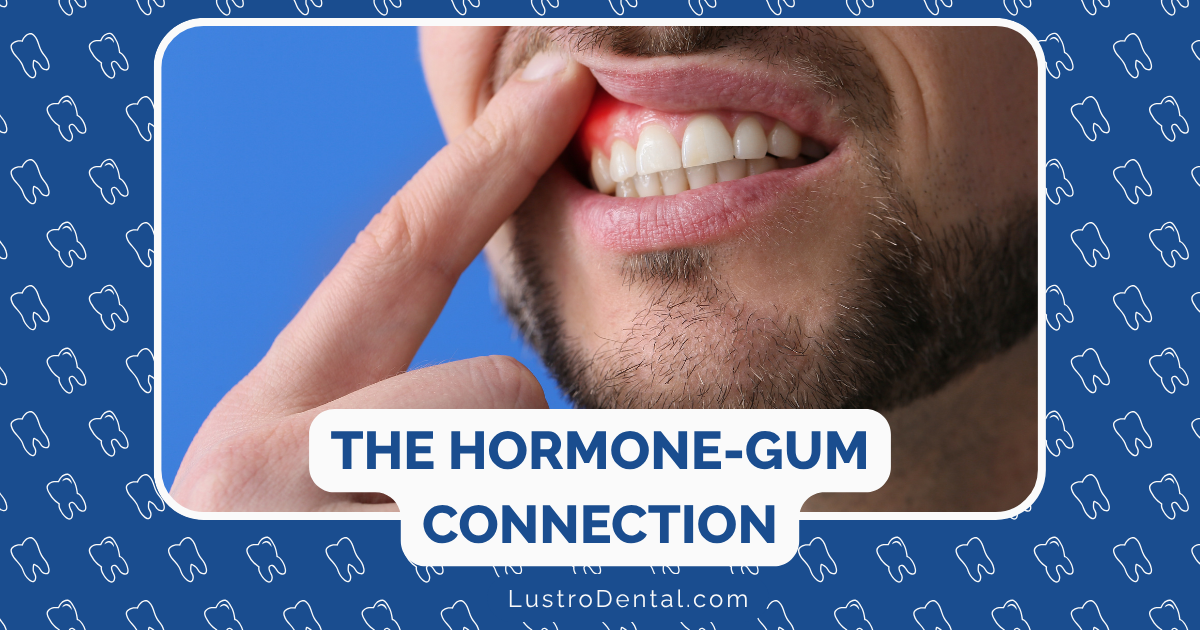
Have you ever noticed your gums becoming more sensitive or prone to bleeding during certain life events? If so, you’re not alone. The connection between hormonal fluctuations and gum health is real, yet surprisingly underrecognized—even by those experiencing it.
In fact, a recent study found that 84% of women over 50 had no idea menopause could affect their oral health, despite 70% reporting new oral symptoms during this transition. This knowledge gap highlights why understanding the relationship between hormones and your gums is crucial for maintaining lifelong oral health.
Our mouths contain countless hormone receptors, particularly for estrogen and progesterone. When these hormone levels fluctuate, they create a cascade of changes in our oral tissues:
Increased blood flow to the gums, causing swelling and sensitivity
Enhanced inflammatory response to plaque and bacteria
Changes in oral microbiome composition
Alterations in collagen production that can affect gum tissue strength
These biological mechanisms explain why your gums might become more reactive during hormonal shifts—even if your oral hygiene remains consistent.
Key Life Stages and Their Impact on Gum Health
Puberty: When Gingivitis Often Begins
The hormonal rollercoaster of puberty doesn’t just affect mood and skin—it significantly impacts gum health too. Research from the American Academy of Periodontology shows that up to 70% of adolescent girls experience some form of gum inflammation during puberty.
What happens: Surging estrogen and progesterone levels increase blood flow to the gums, making them more sensitive to irritants like plaque. Even minimal plaque can trigger an exaggerated inflammatory response, resulting in red, swollen gums that bleed easily during brushing.
Management strategies:
Establish consistent brushing and flossing habits
Consider an electric toothbrush for more effective plaque removal
Address orthodontic issues promptly, as braces can make hygiene more challenging during this sensitive period
Menstrual Cycle: Monthly Fluctuations
Many women experience what dentists call “menstrual gingivitis” in the days leading up to their period. This condition typically resolves once menstruation begins.
What happens: Rising progesterone levels before menstruation can cause:
Consider timing dental appointments for the week after your period when gum sensitivity is typically lower
Stay hydrated, as dehydration can worsen symptoms
Pregnancy: The Critical Nine Months
Pregnancy brings dramatic hormonal changes that significantly impact oral health. Between 60-75% of expectant mothers develop “pregnancy gingivitis” by their second trimester, according to a comprehensive study published in News Medical.
What happens: Progesterone levels increase tenfold during pregnancy, causing:
Pronounced gum swelling and tenderness
Increased bleeding during brushing and flossing
In some cases, the development of “pregnancy tumors”—non-cancerous growths on the gums that usually resolve after delivery
Address any gum issues promptly, as most dental procedures are safe during pregnancy
Menopause: New Challenges for Aging Gums
The hormonal shifts of menopause create unique oral health challenges that often go unrecognized and undiscussed. Only 2% of menopausal women report discussing oral health changes with their dentist, despite the significant impact these changes can have.
What happens: Declining estrogen levels during menopause can cause:
Dry mouth (xerostomia), which increases cavity and gum disease risk
Burning mouth syndrome, characterized by painful burning sensations
Anti-senescence therapies: A promising 2025 study from Penn Dental Medicine found that a combination of dasatinib (an enzyme inhibitor) and quercetin (a natural plant compound) reduced markers of inflammation and bone loss in periodontal tissues.
Laser therapy: Gentle laser treatments can reduce gum inflammation with minimal discomfort, potentially offering relief during periods of hormonal sensitivity.
When to Seek Professional Help
While some degree of gum sensitivity during hormonal changes is normal, certain symptoms warrant professional attention:
Remember: Early intervention is key to preventing permanent damage to gum tissue and bone.
The Bottom Line: Proactive Management Makes All the Difference
Hormonal fluctuations throughout life will inevitably affect your gum health, but with awareness and proactive care, you can minimize their impact. By understanding the biological mechanisms at work and implementing targeted strategies during each life stage, you can maintain healthy gums despite hormonal challenges.
Most importantly, open communication with your dental care provider about hormonal changes you’re experiencing allows for personalized care approaches that address your specific needs.
Have you noticed changes in your gum health during hormonal transitions? Share your experiences and questions in the comments below!