🦷 General Care
✨ Treatments
👶 Family Care
💚 Wellness
💡 Resources

🦷 General Care
✨ Treatments
👶 Family Care
💚 Wellness
💡 Resources

When I first began practicing dentistry, the mouth was often viewed as its own isolated system—separate from the rest of the body. Today, we understand that this perspective couldn’t be further from the truth. The health of your mouth, particularly your gums, is intimately connected to your overall wellness in ways that continue to surprise even medical professionals.
This connection, often called the “mouth-body connection,” has profound implications for how we approach both dental care and general health. In this article, I’ll explore the fascinating relationship between your gum health and your overall wellness, explaining why that pink tissue surrounding your teeth deserves far more attention than it typically receives.
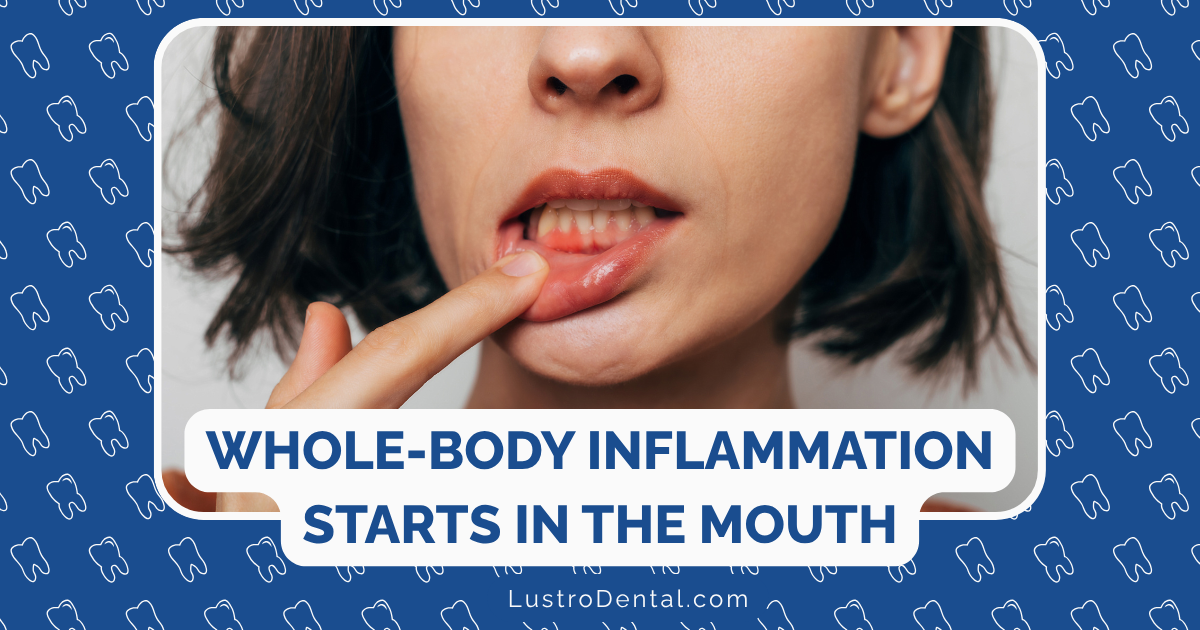
Your mouth serves as both a gateway to your body and a window into your overall health. The same blood that flows through your gums circulates throughout your entire body, creating a highway system that can transport both beneficial nutrients and harmful bacteria.
According to the Mayo Clinic, the bacteria that thrive in your mouth—particularly when gum disease is present—don’t necessarily stay there. They can enter your bloodstream through inflamed and bleeding gum tissue, potentially affecting other parts of your body.
This two-way relationship means that:
Before diving into the systemic connections, let’s understand what gum disease actually is.
Periodontal disease (the clinical term for gum disease) begins with gingivitis—inflammation of the gums characterized by redness, swelling, and bleeding during brushing or flossing. If left untreated, it can progress to periodontitis, where the infection damages the soft tissue and bone that support your teeth, potentially leading to tooth loss.
But the consequences extend far beyond your mouth.
One of the most well-researched connections is between gum disease and heart health. According to a Harvard Medical School report, people with periodontal disease have higher rates of cardiovascular problems, including heart attack and stroke.
Several mechanisms may explain this connection:
Oral bacteria from infected gums can enter the bloodstream and travel to blood vessels elsewhere in the body. Research has found remnants of oral bacteria in atherosclerotic blood vessels far from the mouth. These bacteria can trigger inflammation and damage blood vessel walls, potentially contributing to blood clots, heart attacks, and strokes.
Periodontal disease triggers an inflammatory response that isn’t confined to your mouth. This chronic inflammation can contribute to the development and progression of atherosclerosis (the buildup of fatty deposits on artery walls), potentially increasing your risk of heart disease and stroke.
Some risk factors for gum disease—such as smoking, poor nutrition, and diabetes—are also risk factors for heart disease, which may partially explain the correlation.
A 2018 study analyzing data from nearly a million people found a moderate correlation between tooth loss (a consequence of severe gum disease) and coronary heart disease. While more research is needed to fully understand this relationship, the evidence suggests that maintaining healthy gums may be an important component of heart disease prevention.
The relationship between diabetes and periodontal disease is particularly significant, as it represents a true bidirectional connection.
According to the American Academy of Periodontology, people with diabetes are more likely to develop periodontal disease than those without diabetes. In fact, periodontal disease is often considered a complication of diabetes.
This relationship works in both directions:
This two-way relationship creates a potential cycle where each condition worsens the other. Breaking this cycle through proper dental care and diabetes management is essential for overall health.
Emerging research suggests connections between oral health and brain health, including conditions like Alzheimer’s disease and dementia.
A 2023 study found oral bacteria in the brains of Alzheimer’s patients, suggesting that bacteria from gum disease may be able to travel to the brain. The specific bacterium Porphyromonas gingivalis, commonly associated with periodontal disease, has been found in brain samples of Alzheimer’s patients.
The inflammation caused by gum disease may also contribute to cognitive decline. Chronic inflammation throughout the body, including from periodontal disease, has been linked to damage in brain tissues and may accelerate cognitive aging.
While research in this area is still developing, maintaining good oral health appears to be a potentially important factor in preserving cognitive function as we age.
Pregnant women with periodontal disease may face increased risks of certain pregnancy complications, including:
According to Dr. Watson Dental, the inflammation from periodontal disease can increase levels of C-reactive proteins (CRP) in pregnant women, potentially contributing to premature birth.
These connections highlight the importance of dental care before and during pregnancy—not just for the mother’s health, but for the baby’s well-being too.
Your oral health can impact your respiratory system as well. Bacteria from periodontal disease can be aspirated (inhaled) into the lungs, potentially causing or worsening conditions like:
This risk is particularly significant for elderly individuals, those with compromised immune systems, or people with existing respiratory conditions.
At the heart of the mouth-body connection is the oral microbiome—the community of microorganisms that inhabit your mouth. Like the gut microbiome, which has received significant attention in recent years, the oral microbiome plays a crucial role in both oral and systemic health.
According to the Dental Health Society, your mouth hosts approximately 1,000 species of bacteria. In a healthy mouth, these microbes exist in a balanced state, helping to:
When this balance is disrupted—due to poor oral hygiene, diet, medications, or other factors—harmful bacteria can flourish, leading to conditions like gum disease and potentially affecting your overall health.
Emerging research is revealing fascinating connections between the oral microbiome and the gut microbiome. According to a 2025 study from NY Dental Boutique, these two microbial communities influence each other in several ways:
This bidirectional relationship suggests that addressing both oral and gut health may be more effective than focusing on either in isolation.
Understanding the mouth-body connection is valuable, but taking action to improve your oral and overall health is even more important. Here are practical steps you can take:
According to the Oral Health Foundation’s 2025 National Smile Month, themed “Feed Your Smile,” what you eat affects both your oral and overall health. Consider:
Certain individuals may need to pay particular attention to the mouth-body connection:
If you have diabetes, more frequent dental check-ups may be beneficial. Work closely with both your dentist and physician to manage both conditions effectively.
Pregnancy can increase the risk of gum problems. Schedule a dental check-up early in pregnancy and maintain excellent oral hygiene throughout.
If you have heart disease, inform your dentist, as you may need special considerations during dental treatment. Some heart conditions require antibiotic prophylaxis before certain dental procedures.
Those with weakened immune systems should be particularly vigilant about oral health, as they may be more susceptible to infections that can spread from the mouth to other parts of the body.
The mouth-body connection reminds us that health is not compartmentalized. Every system in our body is interconnected, and addressing one aspect of health often benefits others.
By recognizing the importance of oral health—particularly gum health—in overall wellness, we can take a more holistic approach to healthcare. Rather than treating the mouth in isolation, we should view oral health as an integral component of total body health.
As research continues to unveil more connections between oral health and systemic conditions, the importance of maintaining healthy gums becomes increasingly clear. Your smile isn’t just about aesthetics—it’s a vital part of your overall health and well-being.
Have you noticed connections between your oral health and overall wellness? Share your experiences in the comments below.