🦷 General Care
✨ Treatments
👶 Family Care
💚 Wellness
💡 Resources

🦷 General Care
✨ Treatments
👶 Family Care
💚 Wellness
💡 Resources

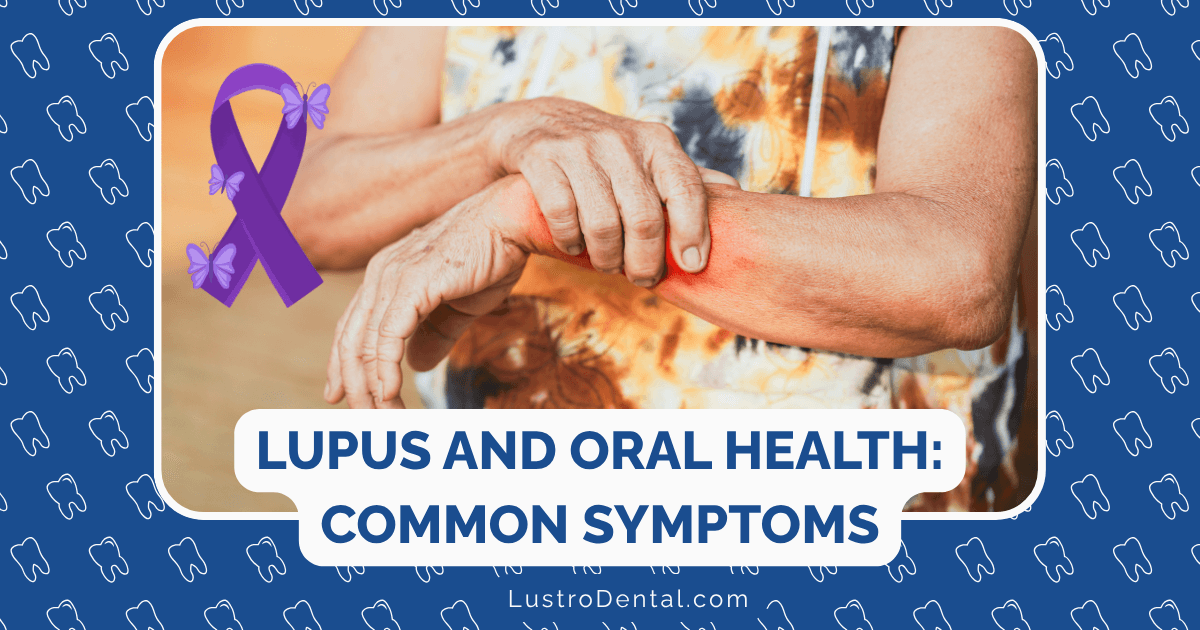
As a dental health advocate who has worked with numerous autoimmune patients throughout my career, I’ve observed that the mouth often serves as a mirror reflecting systemic conditions. This is particularly true for systemic lupus erythematosus (SLE), a complex autoimmune disorder that can manifest throughout the body—including the oral cavity.
Research indicates that up to 75% of lupus patients experience oral manifestations, making the mouth an important diagnostic and monitoring site for this challenging condition. These oral signs not only impact quality of life but may also provide valuable insights into disease activity and progression.
In this comprehensive guide, I’ll explore the various oral manifestations of lupus, their recognition, and evidence-based approaches to management that can significantly improve patient outcomes and quality of life.
Before delving into oral manifestations, it’s helpful to understand the fundamental nature of lupus.
Systemic lupus erythematosus (SLE) is a chronic autoimmune disease where the immune system mistakenly attacks healthy tissues throughout the body. This can affect multiple organs, including the skin, joints, kidneys, heart, lungs, blood vessels, and brain.
According to the Lupus Foundation of America, lupus affects approximately 1.5 million Americans, with women of childbearing age being disproportionately affected. The female-to-male ratio is roughly 9:1, and the disease often develops between ages 15 and 44.
While SLE is the most common and severe form, other types include:
Each type may present different oral manifestations, though this article will focus primarily on SLE.
The oral cavity can display a variety of signs and symptoms in lupus patients. Recognizing these manifestations is crucial for both dental professionals and rheumatologists.
Oral ulcers are among the most common oral manifestations of lupus, occurring in approximately 40-50% of patients according to Dimensions of Dental Hygiene. These ulcers are so significant that they’re included as the fourth diagnostic criterion for lupus by the American College of Rheumatology.
Lupus-related oral ulcers typically present as:
Dr. Sarah Chen, a rheumatologist specializing in lupus, explains: “Oral ulcers in lupus can be distinguished from common aphthous ulcers by their persistence, recurrence pattern, and often their appearance. They frequently have a characteristic ‘target’ appearance with a red border and white or yellow center.”
According to research published in the Journal of Pharmaceutical and Biomedical Sciences, oral ulcers in lupus patients are associated with:
Moreover, the Lupus Foundation of America warns that non-treatment of oral ulcers in lupus patients carries an increased risk for the development of cancer, highlighting the importance of proper recognition and management.
Dry mouth affects approximately 40% of lupus patients and can significantly impact oral health and quality of life.
Xerostomia in lupus may result from:
The consequences of xerostomia are far-reaching:
Dr. Michael Rodriguez, a dentist with expertise in autoimmune conditions, notes: “Xerostomia in lupus patients creates a perfect storm for dental problems. Without adequate saliva, we lose its protective antimicrobial properties, buffering capacity, and remineralizing effects, leading to rampant decay and other complications.”
Lupus patients show a significantly higher prevalence and severity of periodontal disease compared to healthy individuals.
The connection between lupus and periodontal disease involves:
According to Rheumatology Advisor, periodontal disease in lupus patients often presents with:
TMJ involvement is common in lupus, particularly early in the disease course.
TMJ disorders in lupus may present as:
The Lupus Foundation of America notes that TMJ disorders are often found within the first years of lupus disease and tend to become less frequent later.
Additional oral manifestations may include:
Managing oral health in lupus patients requires a thoughtful, comprehensive approach that considers both the direct oral manifestations and the broader systemic implications of the disease.
A multidisciplinary approach is essential for optimal outcomes.
Dr. Jennifer Lee, a periodontist with experience treating lupus patients, emphasizes: “Communication between the dental team and the rheumatologist is absolutely critical. Understanding the patient’s current disease status, medication regimen, and any organ involvement helps us tailor our approach to ensure safety and efficacy.”
Lupus medications can significantly impact dental care decisions.
| Medication Class | Examples | Dental Considerations |
| Antimalarials | Hydroxychloroquine | May cause oral pigmentation, lichenoid reactions |
| Corticosteroids | Prednisone | Increased infection risk, delayed healing, potential adrenal suppression |
| Immunosuppressants | Methotrexate, Azathioprine | Increased infection risk, potential for oral ulceration (especially methotrexate) |
| Biologics | Belimumab | Increased infection risk, potential delayed healing |
| NSAIDs | Ibuprofen, Naproxen | Potential interaction with anticoagulants, risk of GI bleeding |
According to College of Dental Hygienists of Ontario, antibiotic prophylaxis is not typically indicated for infective endocarditis in patients with SLE-associated valvular disease undergoing invasive dental procedures. However, individual assessment is necessary, particularly for patients with:
Effective management of oral ulcers can significantly improve quality of life.
According to Hospital for Special Surgery, antimalarial drugs may be necessary for resistant lesions, highlighting the importance of coordinated care.
Dimensions of Dental Hygiene emphasizes that oral lesions in lupus patients may require biopsy for definitive diagnosis, as they can mimic other conditions such as lichen planus, erythema multiforme, or oral cancer.
Managing dry mouth is crucial for preventing complications and improving comfort.
For patients with xerostomia, aggressive preventive measures are essential:
Controlling periodontal inflammation is particularly important in lupus patients.
Interestingly, research suggests that periodontal treatment may have positive effects on systemic lupus activity. A study cited by Rheumatology Advisor found improvements in disease activity scores following periodontal therapy, suggesting a bidirectional relationship between oral and systemic inflammation.
Several unique considerations apply when providing dental care to lupus patients.
Dr. Rodriguez advises: “For lupus patients undergoing extensive dental work, we often break treatment into shorter appointments, use the most biocompatible materials available, and implement additional infection control measures given their immunocompromised status.”
Empowering lupus patients with knowledge and tools for self-care is essential for long-term oral health.
Patients should be educated about warning signs requiring prompt dental attention:
The field continues to evolve, with several promising areas of research:
The oral manifestations of lupus represent more than just dental concerns—they reflect the systemic nature of this complex autoimmune disease and significantly impact quality of life. By recognizing these manifestations early and implementing appropriate management strategies, dental professionals can play a crucial role in the multidisciplinary care of lupus patients.
For dental providers, understanding the unique challenges faced by lupus patients allows for more tailored, effective care. For patients, knowledge about potential oral manifestations and proactive management strategies can lead to improved comfort, function, and overall wellbeing.
The mouth-body connection is particularly evident in lupus, reminding us that comprehensive healthcare requires looking beyond traditional boundaries between medical specialties. Through collaborative care, evidence-based treatment approaches, and patient empowerment, we can significantly improve outcomes for individuals living with this challenging condition.
Have you experienced oral manifestations related to lupus or another autoimmune condition? What strategies have helped you manage these symptoms? Share your experiences in the comments below.