🦷 General Care
✨ Treatments
👶 Family Care
💚 Wellness
💡 Resources

🦷 General Care
✨ Treatments
👶 Family Care
💚 Wellness
💡 Resources

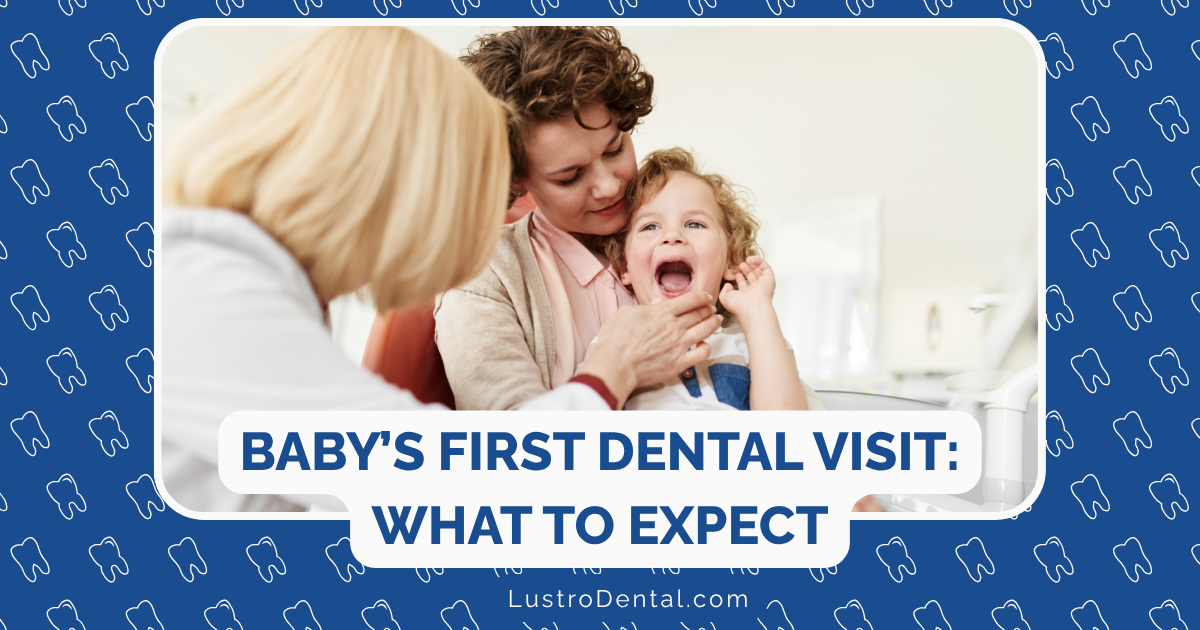
That first tiny tooth poking through your baby’s gums is a milestone worth celebrating—and also your cue to start thinking about their first dental visit. For many parents, this appointment brings questions and sometimes anxiety. What will actually happen? Will my baby cry? Is it really necessary so early?
As someone who’s guided countless families through this important milestone, I want to take you on a visual journey through a typical baby’s first dental visit. Understanding what to expect can help transform this experience from intimidating to empowering for both you and your little one.
Before we begin our photo journey, let’s address timing. The American Academy of Pediatric Dentistry, the American Dental Association, and the American Academy of Pediatrics all recommend the same timeline: your baby should have their first dental visit by their first birthday or within six months after their first tooth erupts—whichever comes first.
This recommendation surprises many parents who might remember not seeing a dentist until preschool age. However, early visits are crucial for preventing problems before they start and establishing a positive relationship with dental care from the beginning.

The journey begins in the reception area. Pediatric dental offices are specifically designed to be welcoming to young children, with:
Dr. Sarah Johnson of Bright Smiles Pediatric Dentistry explains: “We want children to associate the dental office with fun from the moment they arrive. Our reception area is designed to feel more like a playroom than a medical waiting room.”
While it might seem like standard procedure, the intake forms for your baby’s first visit gather crucial information that helps the dentist provide appropriate care:
This information helps the dentist assess your child’s risk factors for dental issues and tailor recommendations specifically to your family’s needs.
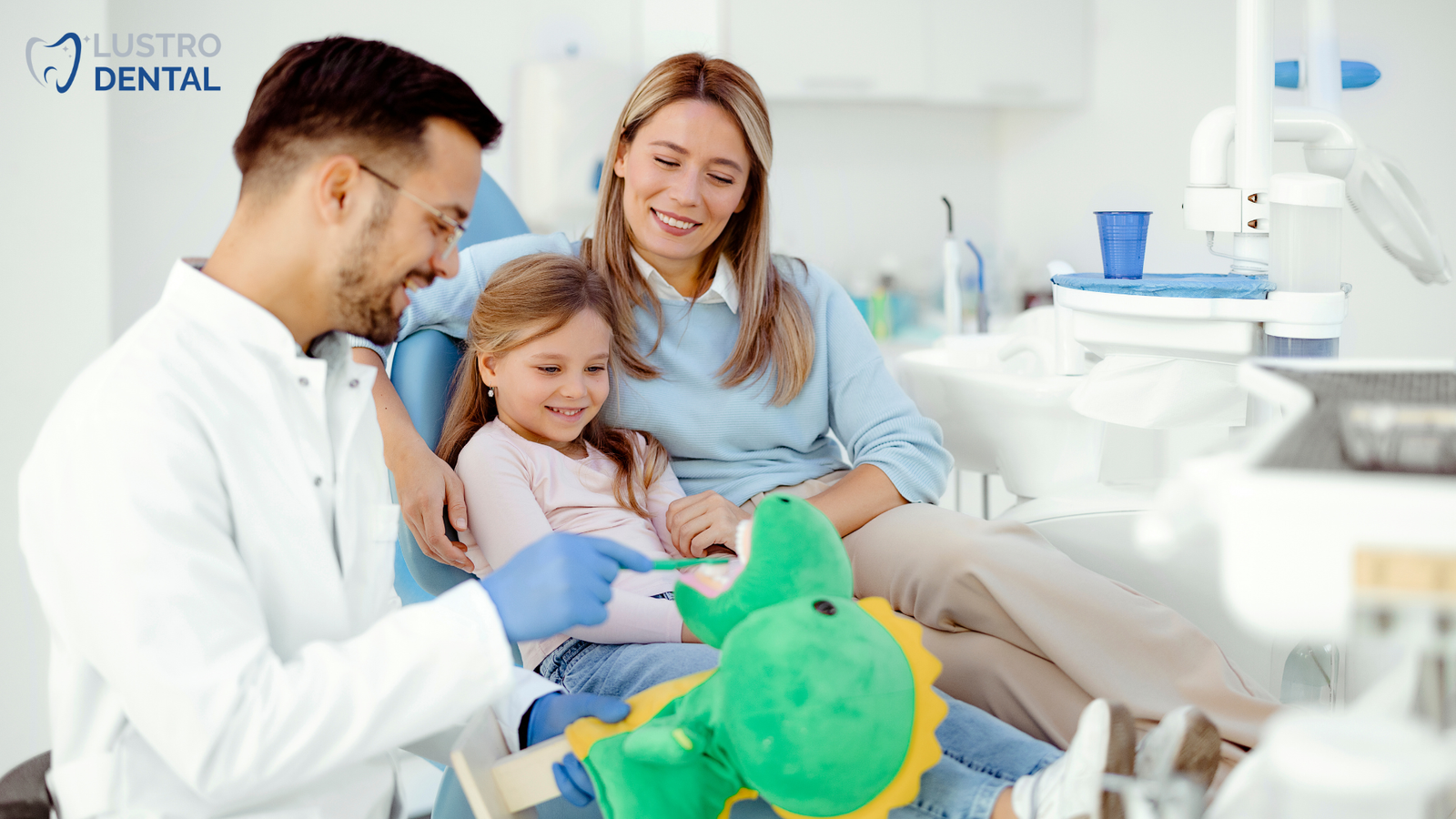
The dental team will typically take time to connect with both you and your baby before beginning any examination. This might include:
Pediatric dental specialists receive additional training beyond dental school specifically focused on child development and behavior management techniques. They understand how to approach children of different ages and temperaments to create positive experiences.

For babies and young toddlers who aren’t ready to sit independently in a dental chair, the “knee-to-knee” examination is the gold standard approach. Here’s how it works:
This position offers several benefits:
Dr. Michael Chen of Children’s Dental Health notes: “The knee-to-knee position transforms what could be a scary experience into something more like a game. The baby remains connected to their parent while we get a good look at their developing teeth and oral structures.”
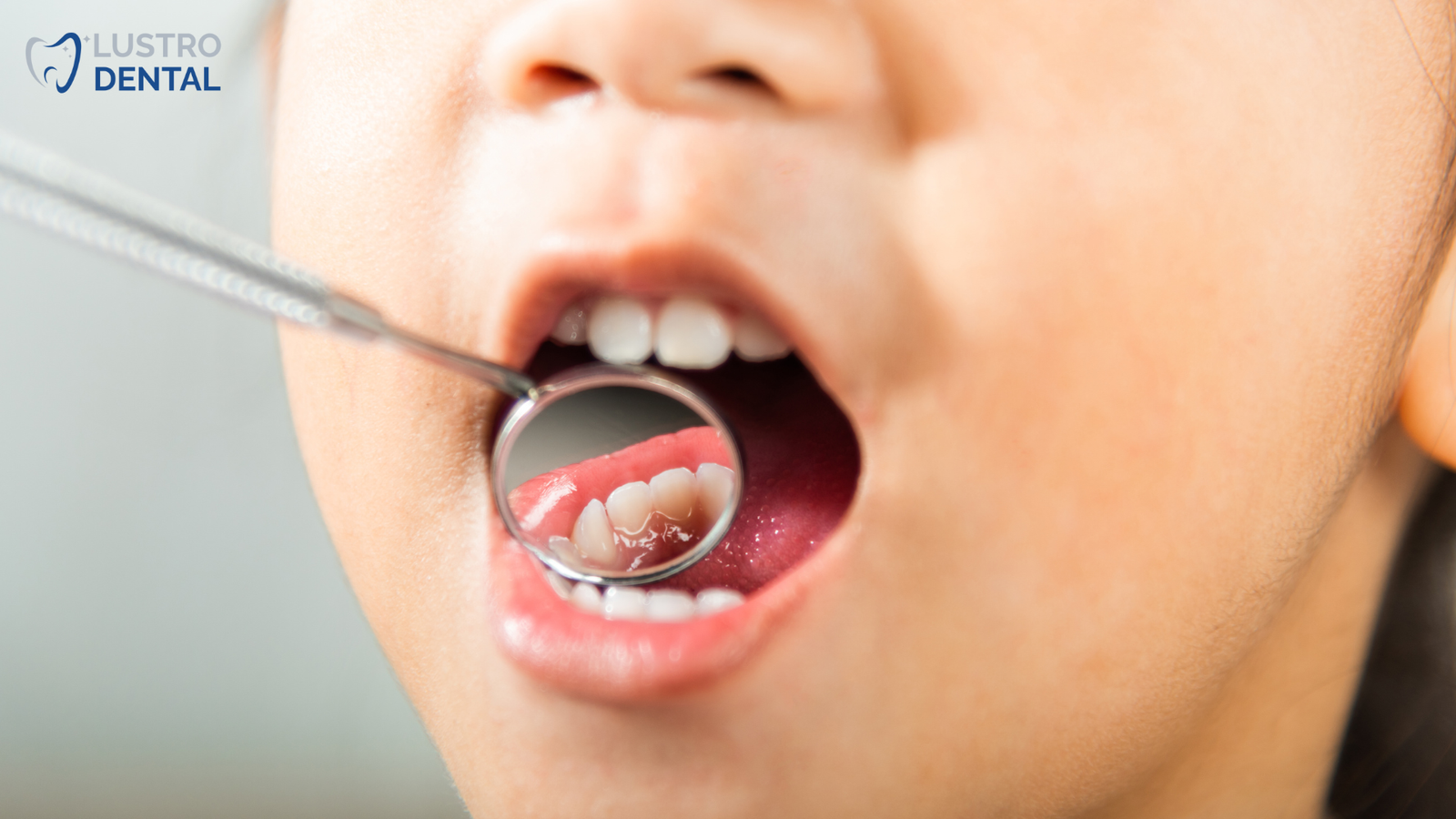
The examination itself typically takes just a few minutes and includes:
The dentist will count how many teeth have erupted and examine each one for:
Beyond the teeth themselves, the dentist will check:
The dentist will also evaluate:
It’s completely normal for babies to cry during this examination. As Dr. Lisa Williams of Pediatric Dental Associates reassures parents: “A crying baby actually makes our job easier because an open mouth gives us the best view! We’re used to tears and know they don’t mean your baby is traumatized—just expressing themselves in the way they know how.”
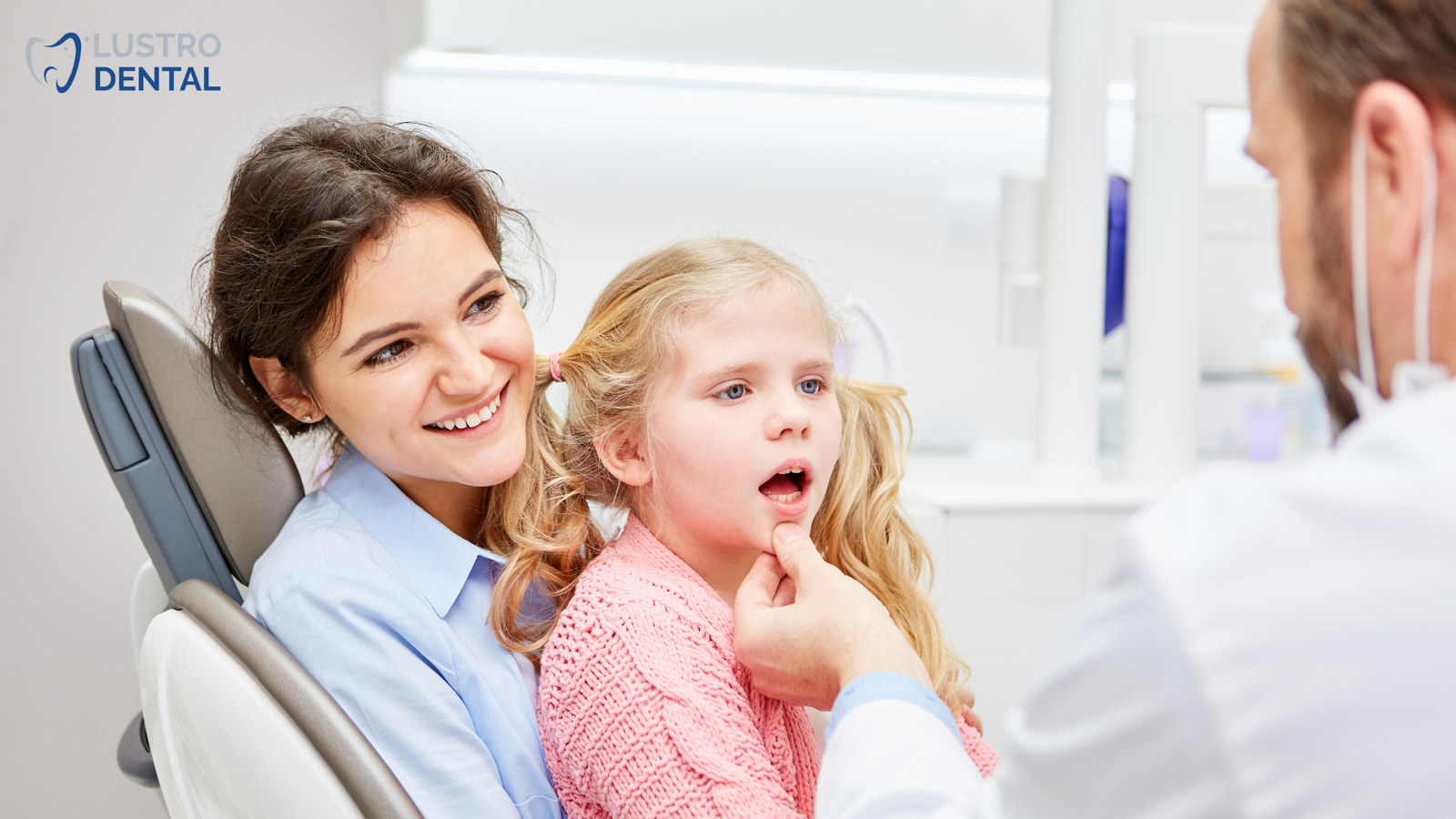
If your baby has several teeth and any plaque buildup, the dentist or hygienist might perform a gentle cleaning. This typically involves:
For most first visits, especially if your baby only has a few teeth, the cleaning portion is brief and focused more on demonstration than extensive plaque removal.
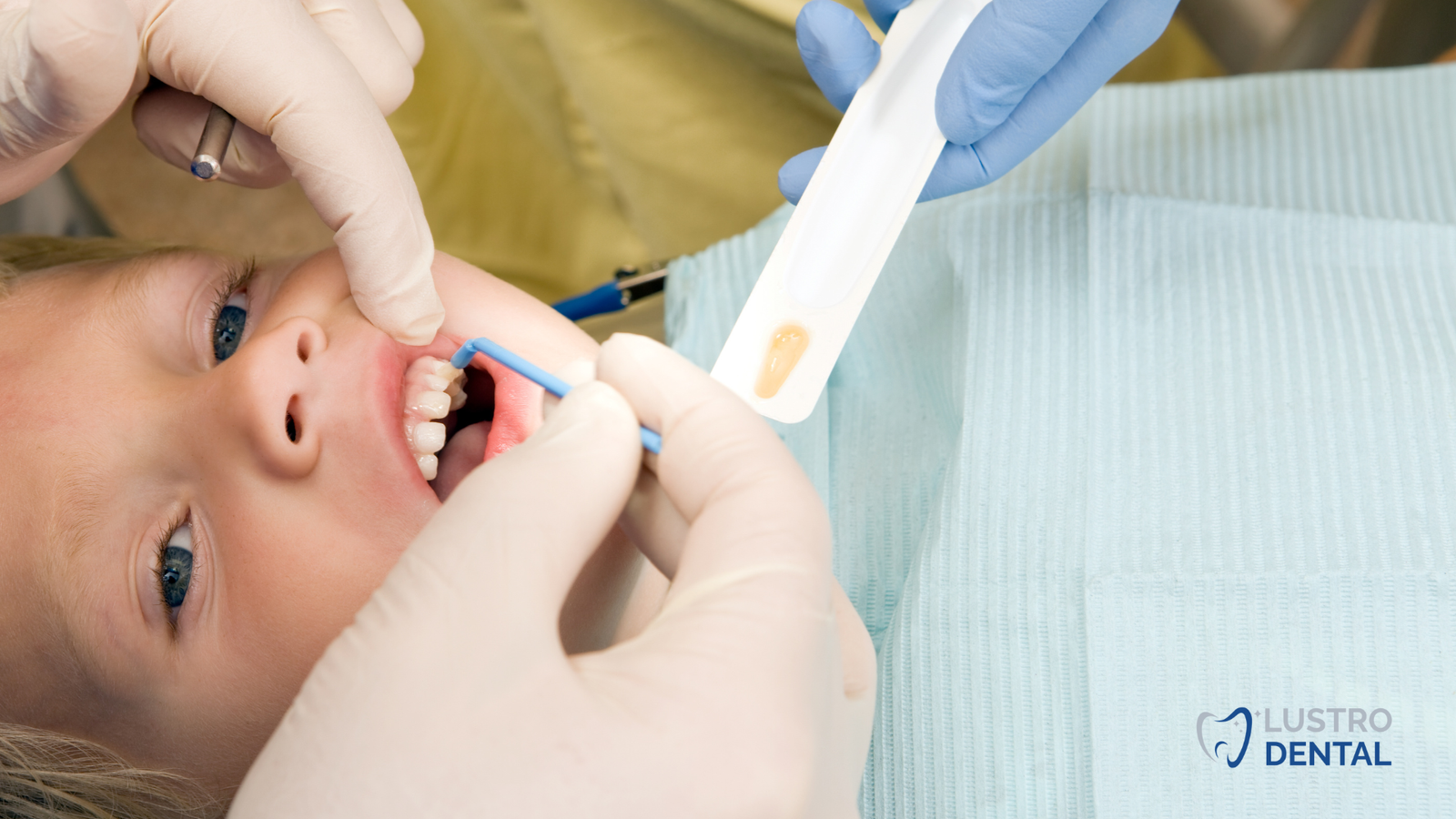
Depending on your baby’s age, number of teeth, and risk factors, the dentist might recommend applying fluoride varnish—a concentrated form of fluoride that helps prevent tooth decay. The application process is quick:
The American Dental Association reports that fluoride varnish can prevent about one-third of decay in primary teeth when applied twice yearly, making it an important preventive tool.
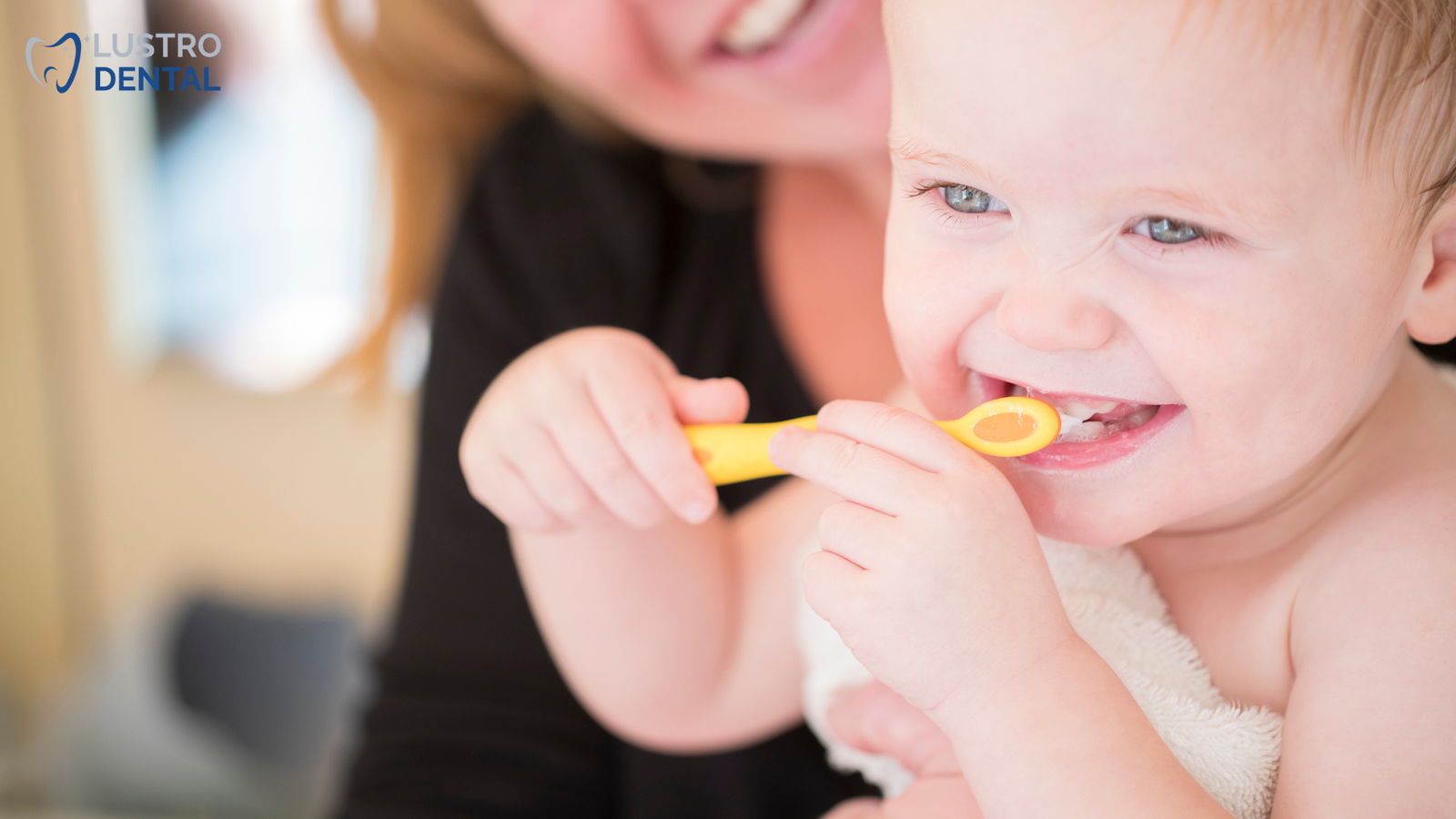
The most valuable component of your baby’s first dental visit is often the education you receive. This typically includes:
Dr. James Wilson of Pediatric Dental Specialists emphasizes: “The parent education component is where the real prevention happens. We only see your child periodically, but you’re with them every day, influencing their habits and care routines.”

Before you leave, the office staff will help you schedule your baby’s next visit. For most children, dental visits are recommended every six months. However, if your child has specific risk factors for decay, the dentist might recommend more frequent visits—typically every three to four months.
Many offices provide a small, age-appropriate reward at the end of the visit, such as a sticker, a toy, or a new toothbrush, to create a positive association with the dental experience.

Once you’re home, you can help reinforce the positive experience by:
Many parents find it helpful to take photos during the first dental visit (with the dental team’s permission) to create a positive memory and to use when preparing for future visits.
That baby’s first dental visit lays the foundation for a lifetime of good oral health. By starting early, you’re:
Dr. Emily Chen of the American Academy of Pediatric Dentistry sums it up: “We often hear parents say they wish they’d brought their child in sooner. Early visits are simple, positive, and preventive—exactly what we want a child’s introduction to dental care to be.”
Has your baby had their first dental visit? What was your experience like? Share in the comments below!
Typically, no. X-rays are rarely needed for babies and very young children unless there’s a specific concern. The dentist will use visual examination techniques for the first several visits in most cases.
Crying is completely normal and expected! Pediatric dental professionals are trained to work efficiently even with crying children. The examination can still be completed effectively, and each visit tends to get easier as your child becomes familiar with the routine.
No. First dental visits are observational and educational. Sedation would only be considered for treatment of specific dental problems, not for routine examinations, and would be discussed thoroughly with parents beforehand.
This is actually ideal! Many parents schedule appointments after nap time, but a well-rested, happy baby makes for a smoother visit. If your baby falls asleep on the way, they’ll likely be calm and refreshed for the appointment.