COPD and Oral Health: Special Considerations and Care Approaches
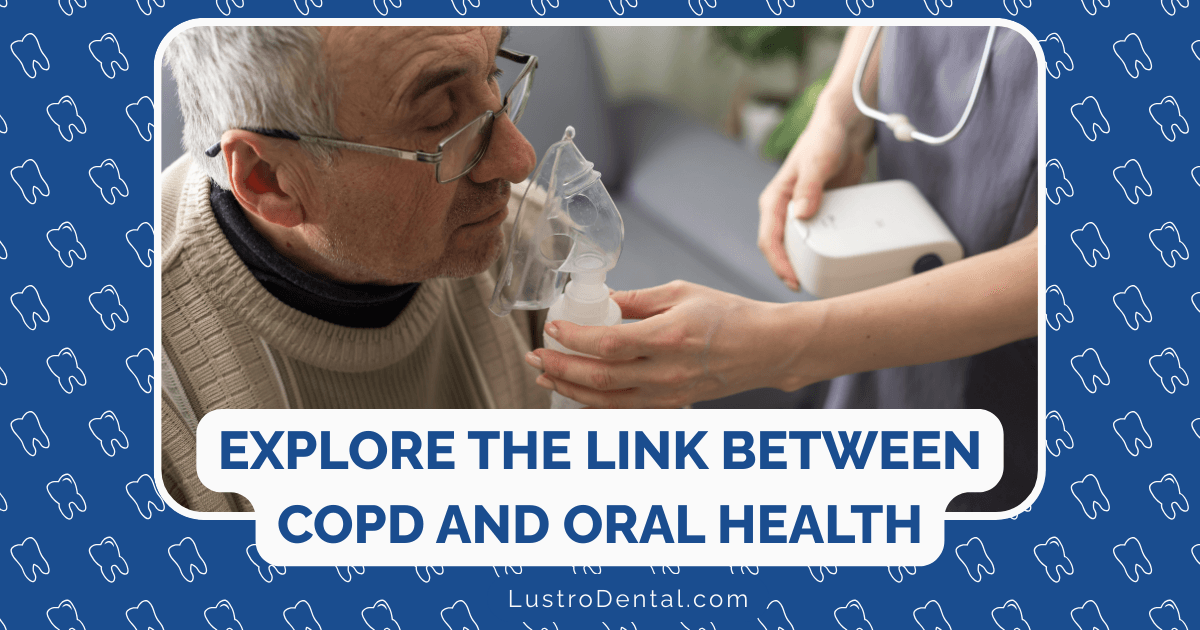
Chronic Obstructive Pulmonary Disease (COPD) is a progressive respiratory condition that affects millions worldwide. While its primary impact is on the lungs, emerging research has established significant connections between COPD and oral health. This relationship is bidirectional—COPD and its treatments can affect oral health, while poor oral health may worsen COPD symptoms and outcomes.
For dental professionals and COPD patients alike, understanding these connections and implementing appropriate care strategies is crucial for maintaining both oral and respiratory health. This article explores the special considerations and care approaches for managing oral health in people with COPD.
Dr. Sarah Johnson, pulmonologist at Mayo Clinic, explains: “We’re seeing that COPD doesn’t just affect the lungs—it’s associated with systemic effects that impact oral health as well. The chronic inflammation and altered immune responses in COPD appear to affect the entire body, including the oral cavity.”
Impact of Oral Health on COPD
Conversely, poor oral health can negatively affect COPD symptoms and disease progression:
A systematic review published in BMC Oral Health found that better periodontal health was associated with reduced frequency of COPD exacerbations and hospitalizations
The same review found that periodontal treatment led to a reduction in COPD exacerbations
A case-control study in Oral Diseases demonstrated that COPD patients had significantly deeper periodontal pockets and more bleeding on probing, indicating more severe gum disease
“What happens in the mouth doesn’t stay in the mouth,” notes Dr. Michael Chen, periodontist at the University of California. “Bacteria from periodontal disease can be aspirated into the lungs, potentially triggering inflammation and exacerbating COPD symptoms. Additionally, the systemic inflammation from periodontal disease may worsen the inflammatory processes already occurring in COPD.”
The Mechanism Behind the Connection
Several pathways explain the relationship between COPD and oral health:
Aspiration of oral pathogens: Bacteria from dental plaque can be inhaled into the lungs, potentially causing infections and exacerbations
Systemic inflammation: Both periodontal disease and COPD involve inflammatory processes that may interact and amplify each other
Shared risk factors: Smoking, advanced age, and socioeconomic factors contribute to both conditions
Medication effects: COPD treatments, particularly inhaled medications, can affect oral health
Breathing patterns: Mouth breathing, common in COPD patients, can lead to dry mouth and increased plaque formation
Special Considerations for COPD Patients
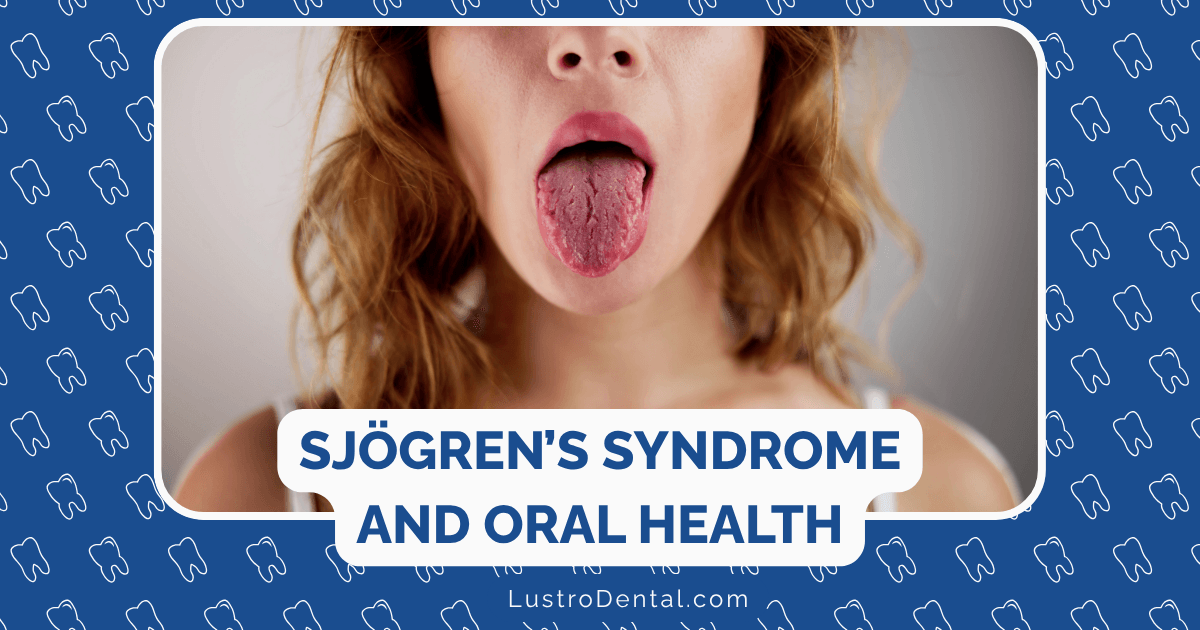
Dry Mouth (Xerostomia)
Xerostomia is particularly prevalent among COPD patients, with studies showing that up to 70% experience this condition. This is significant because saliva plays a crucial role in maintaining oral health by:
Neutralizing acids produced by bacteria
Washing away food particles and bacteria
Providing minerals that help remineralize teeth
Containing antimicrobial components that fight infection
“Dry mouth isn’t just uncomfortable—it significantly increases the risk of tooth decay, gum disease, and oral infections,” explains Dr. Elizabeth Wong, dental specialist in COPD care. “For COPD patients, it’s a double concern because many of the medications they rely on can worsen xerostomia.”
Causes of Dry Mouth in COPD Patients:
Inhaled medications: Bronchodilators and corticosteroids can reduce saliva production
Oxygen therapy: Supplemental oxygen can dry oral tissues
Mouth breathing: Common in COPD patients due to shortness of breath
Systemic medications: Many COPD patients take additional medications that may cause dry mouth as a side effect
Dehydration: Some COPD patients limit fluid intake to manage symptoms
Oral Candidiasis
COPD patients, especially those using inhaled corticosteroids, have an increased risk of developing oral candidiasis (thrush). A 2023 study found that oral candidiasis predominantly affects the palate in COPD patients and is a common oral manifestation.
Periodontal Disease
Research consistently shows higher rates and severity of periodontal disease in COPD patients. The case-control study in Oral Diseases found:
Greater probing pocket depths (3.24 mm ± 0.71 mm vs. 2.75 mm ± 0.37 mm)
Higher bleeding on probing (34.52% ± 22.03% vs. 22.85% ± 17.94%)
Higher rates of tooth loss
Positioning and Breathing Challenges
COPD patients may experience:
Difficulty lying flat due to breathing challenges
Anxiety during dental procedures
Exacerbation of symptoms in certain positions
Need for supplemental oxygen during treatment
Medication Interactions
Many COPD patients take multiple medications that may interact with dental treatments:
Corticosteroids: May require supplementation before major dental procedures
Anticoagulants: Increased bleeding risk during dental procedures
Bisphosphonates: Risk of osteonecrosis of the jaw
Antibiotics: Potential interactions with COPD medications
Care Approaches: Best Practices for Dental Professionals
In-Office Management
1. Patient Positioning
“Proper positioning is crucial for COPD patients during dental treatment,” advises Dr. Robert Thompson, dental surgeon specializing in medically compromised patients. “The semi-supine or upright position often works best, as it facilitates breathing and reduces anxiety.”
Best practices include:
Chair position: Semi-upright (45° angle) or fully upright for severe COPD
Appointment timing: Morning appointments when energy levels are typically higher
Frequent breaks: Allow patients to sit up and rest during longer procedures
Oxygen access: Ensure supplemental oxygen is available if needed
Emergency preparedness: Have bronchodilator inhalers accessible
2. Treatment Modifications
Dental professionals should consider the following modifications:
Shorter appointments: Reduce patient fatigue and anxiety
Stress reduction protocols: Anxiety can trigger breathlessness
Rubber dam use: When appropriate, to prevent aspiration of materials
Antibiotic prophylaxis: Consider for patients with frequent exacerbations, following current guidelines
3. Medication Considerations
Understanding COPD medications and their oral implications is essential:
Inhaled corticosteroids: Associated with increased risk of oral candidiasis and dry mouth
Bronchodilators: Can reduce salivary flow
Systemic corticosteroids: May require stress-dose steroids before invasive procedures
Antibiotics: Potential for interactions with certain dental medications
Dr. Wong notes: “Always review the patient’s complete medication list before treatment. For patients on multiple medications, consult with their pulmonologist if you have concerns about potential interactions or need to prescribe additional medications.”
Home Care Recommendations
1. Dry Mouth Management
Effective strategies for managing xerostomia include:
Hydration: Regular sipping of water throughout the day
Saliva substitutes: Alcohol-free products that mimic natural saliva
Salivary stimulants: Sugar-free gum or lozenges containing xylitol
Humidifiers: Especially at night to prevent mouth breathing-related dryness
Prescription options: For severe cases, medications like pilocarpine or cevimeline may be prescribed
2. Enhanced Oral Hygiene
COPD patients should follow a rigorous oral hygiene regimen:
Brushing: Twice daily with fluoride toothpaste
Flossing: Daily to remove interdental plaque
Antimicrobial rinses: Alcohol-free options to reduce bacterial load
Collaborative Care: The Interdisciplinary Approach
Communication Between Healthcare Providers
A study in Nature highlighted the need for better communication between dental and medical professionals in COPD care. The study found:
Lack of knowledge regarding the relationship between oral health and COPD among healthcare professionals
Absence of integrated care pathways
Need for multidisciplinary training and education
Dr. Johnson emphasizes: “The most effective care for COPD patients comes from collaboration between pulmonologists, primary care physicians, and dental professionals. Each brings essential expertise to the table.”
Creating an Integrated Care Plan
An effective integrated care approach includes:
Regular information sharing: Dental professionals should communicate with the patient’s medical team about oral findings and treatment plans
Coordinated medication management: Consult about potential interactions and timing of dental treatments
Joint patient education: Consistent messaging about the importance of oral health for respiratory well-being
Referral protocols: Established pathways for dental professionals to refer patients with concerning symptoms to pulmonologists and vice versa
Patient Education
Both dental and medical professionals should educate COPD patients about:
The connection between oral health and COPD
Proper inhaler use to minimize oral side effects
Recognition of oral symptoms that may indicate worsening COPD
The importance of regular dental visits as part of COPD management
Special Populations: Additional Considerations
Elderly COPD Patients
Older adults with COPD face unique challenges:
Multiple comorbidities: May complicate dental treatment
Polypharmacy: Increased risk of drug interactions
Reduced dexterity: May impact ability to perform oral hygiene
Fixed incomes: May limit access to dental care
Cognitive impairment: May affect adherence to oral care routines
COPD Patients with Advanced Disease
For patients with severe COPD:
Portable oxygen: Ensure accommodation for oxygen tanks or concentrators
Emergency protocols: Have clear procedures for respiratory distress
Palliative considerations: Focus on comfort and quality of life
Simplified oral hygiene: Adapt recommendations to patient capabilities
Caregiver education: Involve caregivers in oral health management
Future Directions: Emerging Research and Approaches
Preventive Strategies
Emerging research is exploring several promising preventive approaches:
Targeted oral probiotics: To modify the oral microbiome and reduce pathogenic bacteria
Novel antimicrobial agents: That specifically target respiratory pathogens in oral biofilms
Immunomodulatory therapies: To reduce the inflammatory response in both COPD and periodontal disease
Personalized risk assessment: Using genetic and microbiome analysis to identify high-risk patients
Screening Protocols
New screening approaches being developed include:
Point-of-care testing: For inflammatory markers common to both conditions
Salivary diagnostics: To identify biomarkers of COPD exacerbation risk
Dr. Chen notes: “We’re moving toward a more personalized approach to managing the oral-respiratory connection. By identifying specific risk factors and biomarkers, we can tailor interventions more precisely to each patient’s needs.”
Conclusion: A Comprehensive Approach to Care
The relationship between COPD and oral health highlights the interconnected nature of our body systems. For COPD patients, maintaining good oral health isn’t just about preserving their smile—it’s potentially a crucial component of managing their respiratory disease.
Dental professionals play a vital role in this process by:
Understanding the special considerations for COPD patients
Implementing appropriate modifications to dental care
Educating patients about the importance of oral health for respiratory well-being
Collaborating with medical professionals for integrated care
By taking a comprehensive, patient-centered approach that addresses both oral and respiratory health, dental professionals can contribute significantly to improving quality of life and potentially reducing exacerbations for people living with COPD.
Are you a dental professional who treats patients with COPD? Share your experiences and approaches in the comments below.