Overcoming Dental Trauma: Healing from Negative Past Experiences
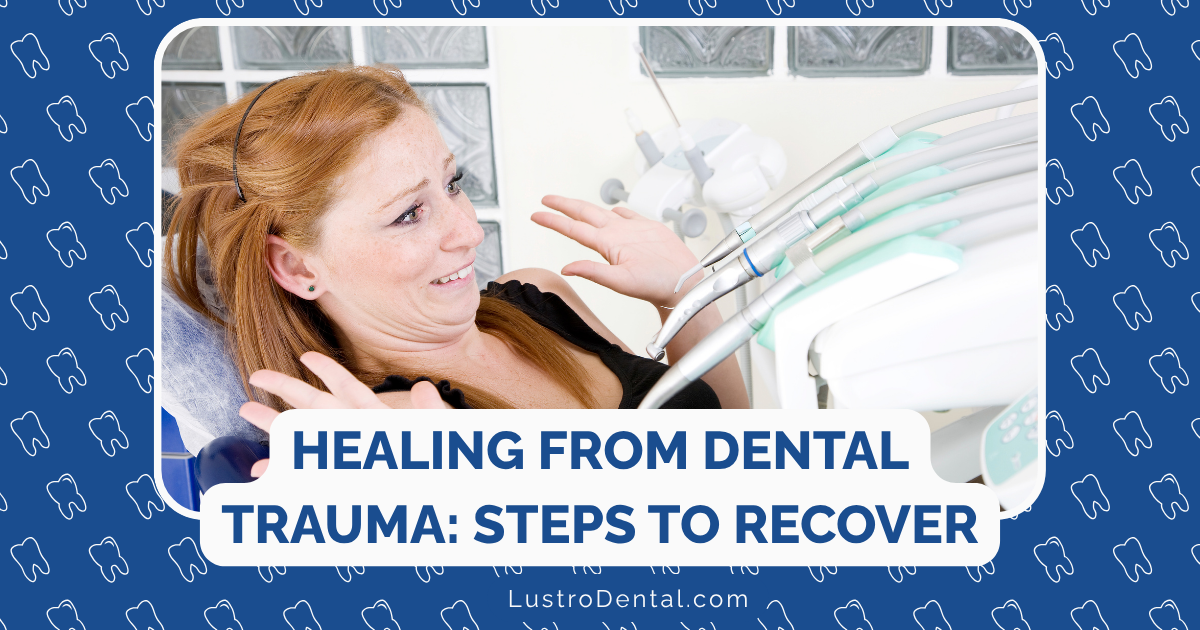
The whirring sound of a drill. The sterile smell of the office. The vulnerable feeling of lying back in the chair with someone hovering over you. For many people, these sensory experiences don’t just create mild discomfort—they trigger intense anxiety, panic, or even flashbacks to past traumatic dental experiences.
If you’ve ever postponed dental care because previous experiences left you traumatized, you’re not alone. According to research published in the Journal of Dental Anxiety and Management, approximately 56% of individuals with dental anxiety cancel or avoid appointments due to fear, with that number rising to 82% among those with severe anxiety.
The good news? Healing from dental trauma is possible. With the right support, strategies, and understanding, you can reclaim your oral health without being held hostage by past negative experiences. This comprehensive guide will walk you through the journey from dental trauma to recovery, offering evidence-based approaches and practical steps for healing.
Understanding Dental Trauma: More Than Just a Bad Experience
What Constitutes Dental Trauma?
Dental trauma goes beyond simply having an uncomfortable appointment. It typically involves experiences that felt threatening, painful, or where you perceived a loss of control or dignity. Common traumatic dental experiences include:
Painful procedures where pain management was inadequate
Treatment that proceeded despite your distress signals
Feeling dismissed, shamed, or belittled by dental professionals
Procedures where you felt trapped or unable to communicate
Experiencing medical complications or unexpected outcomes
Childhood dental experiences where your fears weren’t acknowledged
For some individuals, dental trauma intersects with other forms of trauma, such as:
Previous physical or sexual abuse (particularly involving the face or mouth)
Medical trauma from other healthcare settings
Generalized anxiety disorders or PTSD from unrelated causes
The Psychological Impact of Dental Trauma
Traumatic dental experiences can create lasting psychological effects that manifest in various ways:
Dental Anxiety: A persistent fear specific to dental settings or procedures
Dental Phobia (Odontophobia): An intense, irrational fear that triggers panic responses and avoidance behaviors
Dental PTSD: A condition where dental settings or procedures trigger the same neurological responses as the original trauma, including flashbacks, nightmares, hypervigilance, and emotional distress
Research from BMC Psychiatry indicates that individuals with PTSD report a significantly higher prevalence of dental anxiety (42%) compared to other psychiatric groups (17.6-31.3%).
The Cycle of Avoidance and Its Consequences
One of the most damaging aspects of dental trauma is the avoidance cycle it creates:
Trauma leads to fear and anxiety about dental settings
Fear leads to avoidance of routine dental care
Avoidance leads to deterioration of oral health
Deterioration requires more invasive treatment when eventually addressed
More invasive treatment reinforces the trauma and deepens the fear
This cycle doesn’t just affect oral health—it impacts overall wellbeing. According to the American Psychiatric Association, poor oral health can negatively influence self-esteem, social interactions, nutrition, and even exacerbate existing mental health conditions.
Recognizing the Signs of Dental Trauma
Before you can heal, it’s important to recognize how dental trauma might be manifesting in your life. Common signs include:
Physical Symptoms
Increased heart rate, sweating, or nausea when thinking about dental visits
Sleep disturbances before scheduled appointments
Panic attacks triggered by dental-related stimuli
Physical tension or pain in the jaw from chronic clenching (bruxism)
Gastrointestinal distress when considering dental care
Psychological Symptoms
Intrusive thoughts or nightmares about dental experiences
Hypervigilance in dental settings
Emotional distress when exposed to dental imagery or discussions
Avoidance behaviors around dental care
Feelings of shame or embarrassment about oral health
Catastrophic thinking about potential dental procedures
Behavioral Patterns
Repeatedly canceling or postponing dental appointments
Only seeking dental care in emergency situations
Extreme anxiety for days or weeks before scheduled visits
Self-medicating before appointments
Requiring someone to accompany you to dental visits
If you recognize these symptoms in yourself, it’s important to know that they’re normal responses to trauma—and that they can be addressed with the right support.
Therapeutic Approaches for Healing Dental Trauma
Research shows that several therapeutic approaches can be effective for addressing dental trauma:
Cognitive Behavioral Therapy (CBT)
CBT is considered the gold standard for treating dental anxiety and phobia, with strong evidence supporting its effectiveness. According to the research in BMC Psychiatry, patients who completed CBT treatment showed significant improvements in symptoms of dental anxiety, post-traumatic stress, and depression.
CBT for dental trauma typically involves:
Identifying and challenging unhelpful thoughts about dental care
Gradual exposure to dental-related stimuli in a controlled, safe environment
Learning coping skills to manage physical and emotional responses
Developing a new narrative around dental experiences
Eye Movement Desensitization and Reprocessing (EMDR)
For individuals whose dental trauma is severe or connected to other traumatic experiences, EMDR can be particularly effective. This therapy helps the brain process traumatic memories differently, reducing their emotional impact over time.
Mindfulness-Based Approaches
Mindfulness practices help individuals stay grounded in the present moment rather than being overwhelmed by traumatic memories or anticipatory anxiety. These approaches include:
Mindfulness meditation
Body scan techniques
Present-moment awareness practices
Self-compassion exercises
Group Therapy and Support Groups
Connecting with others who share similar experiences can be powerfully healing. Dental phobia support groups (both in-person and online) provide validation, shared coping strategies, and the comforting knowledge that you’re not alone in your struggles.
Finding the Right Dental Professional for Trauma Recovery
Perhaps the most crucial step in healing from dental trauma is finding a dental professional who understands trauma and practices trauma-informed care. Here’s what to look for:
Trauma-Informed Dental Care
According to research in the Journal of Dental Anxiety and Management, trauma-informed care (TIC) principles can significantly improve patient trust and reduce dental anxiety. Key elements include:
Safety: Creating an environment where patients feel physically and emotionally safe
Trustworthiness: Being transparent about procedures and maintaining clear boundaries
Choice: Offering patients options and control whenever possible
Collaboration: Working with patients as partners in their care
Empowerment: Recognizing and building upon patient strengths
Questions to Ask Potential Dentists
When searching for a trauma-informed dentist, consider asking:
“Do you have experience working with patients who have dental anxiety or past traumatic experiences?”
“What specific approaches do you use to help anxious patients feel comfortable?”
“How do you ensure patients maintain a sense of control during procedures?”
“What options do you offer for pain management and anxiety reduction?”
“Are you willing to work with my therapist or counselor as part of my care team?”
“Can we establish a signal system for when I need breaks during treatment?”
Red Flags to Watch For
Be cautious of dental professionals who:
Dismiss or minimize your anxiety
Seem rushed or impatient with questions
Use shame or fear as motivational tactics
Are unwilling to modify their approach to accommodate your needs
Make you feel like your trauma response is an inconvenience
Practical Strategies for Managing Dental Appointments
Once you’ve found a supportive dental professional, these strategies can help you manage appointments more comfortably:
Before Your Appointment
Schedule strategically: Book appointments for times when you’re typically less stressed, and allow plenty of time so you don’t feel rushed.
Visit the office: Consider a pre-appointment visit just to see the office, meet the staff, and familiarize yourself with the environment without any treatment.
Prepare coping tools: Create a personalized anxiety toolkit that might include:
Comforting music or podcasts and headphones
A stress ball or fidget object
A weighted blanket or comforting item
Written affirmations or mantras
Breathing exercise instructions
Practice relaxation techniques: In the days leading up to your appointment, practice deep breathing, progressive muscle relaxation, or guided meditation.
Arrange support: Ask a trusted friend or family member to accompany you to the appointment.
During Your Appointment
Use your signal system: Don’t hesitate to use your pre-established signal if you need a break.
Practice grounding techniques: If anxiety rises, try the 5-4-3-2-1 technique: identify 5 things you can see, 4 things you can touch, 3 things you can hear, 2 things you can smell, and 1 thing you can taste.
Utilize distraction: Focus on counting ceiling tiles, reciting lyrics in your head, or squeezing your thumb and forefinger together rhythmically.
Communicate needs: If something is uncomfortable or triggering, communicate this clearly to your dental team.
Remind yourself of safety: Mentally remind yourself that you are safe, this experience is different from past trauma, and you have control.
After Your Appointment
Reward yourself: Plan something enjoyable after your appointment as positive reinforcement.
Process the experience: Journal about what went well and what was challenging.
Practice self-compassion: Acknowledge your courage in facing your fears, regardless of the outcome.
Debrief with support: Share your experience with a trusted person or therapist.
Sedation Options for Trauma Survivors
For many trauma survivors, sedation dentistry provides a bridge to receiving necessary dental care while psychological healing is in progress. According to Dental Sleep St. Louis, sedation can be one of the most effective methods for overcoming traumatic dental experiences.
Common sedation options include:
Nitrous Oxide (“Laughing Gas”)
Level of sedation: Minimal
Consciousness: Fully conscious but relaxed
Recovery: Quick (can drive yourself home)
Best for: Mild to moderate anxiety
Oral Conscious Sedation
Level of sedation: Moderate
Consciousness: Awake but deeply relaxed, may not remember much
Recovery: Several hours (need someone to drive you)
Best for: Moderate to high anxiety
IV Sedation
Level of sedation: Deep
Consciousness: On the edge of consciousness but can be roused
Recovery: Several hours (need someone to drive and stay with you)
Best for: Severe anxiety or complex procedures
General Anesthesia
Level of sedation: Complete unconsciousness
Consciousness: Completely unconscious
Recovery: Longest recovery time
Best for: Extreme phobia or extensive treatment needs
The Dental Phobia Center notes that providing various sedation options is crucial for helping trauma survivors access dental care, as it creates a sense of safety and control that may have been absent in previous traumatic experiences.
Building a Support Network for Dental Trauma Recovery
Recovery from dental trauma is rarely a solo journey. Consider building a support team that might include:
Mental health professional: Therapist, psychologist, or counselor with experience in trauma or anxiety disorders
Trauma-informed dentist: A dental professional who understands and accommodates your specific needs
Primary care physician: To help coordinate care and address any physical manifestations of anxiety
Supportive friends/family: People who can accompany you to appointments and provide emotional support
Support group: Either in-person or online communities of people with similar experiences
The Role of Self-Compassion in Healing
Throughout your healing journey, practicing self-compassion is essential. This means:
Acknowledging that dental trauma is real and valid, not something to be dismissed
Recognizing that healing is rarely linear—setbacks are normal and don’t represent failure
Speaking to yourself with the same kindness you would offer a friend in your situation
Celebrating small victories along the way, from making a phone call to completing an examination
Understanding that your worth is not determined by the state of your oral health
Long-Term Recovery: Creating New Positive Associations
The ultimate goal of healing from dental trauma is not just to tolerate dental care but to create new, positive associations that gradually replace the traumatic ones. This happens through:
Consistent positive experiences: Each successful dental visit that respects your boundaries helps rewire your brain’s associations.
Gradual exposure: Slowly working up from simple procedures to more complex ones as your comfort increases.
Continued self-care: Maintaining the coping strategies and self-compassion practices that supported your healing.
Sharing your story: When you’re ready, helping others by sharing your journey of recovery.
A Path Forward: Hope for Healing
Healing from dental trauma is possible—many people who once experienced debilitating fear now receive regular dental care with minimal anxiety. According to research from BMC Psychiatry, even patients with complex trauma histories showed significant improvement after appropriate therapeutic interventions.
The key is to recognize that dental trauma requires attention to both psychological healing and practical dental care strategies. By addressing both aspects with patience, self-compassion, and the right support, you can move beyond traumatic experiences toward a healthier relationship with dental care.
Remember that this journey belongs to you—you set the pace, you determine what success looks like, and you deserve care that respects both your physical and emotional wellbeing.
Have you overcome dental trauma or are you currently on that journey? What strategies have helped you most? Share your experiences in the comments below to help others who might be facing similar challenges.