🦷 General Care
✨ Treatments
👶 Family Care
💚 Wellness
💡 Resources

🦷 General Care
✨ Treatments
👶 Family Care
💚 Wellness
💡 Resources

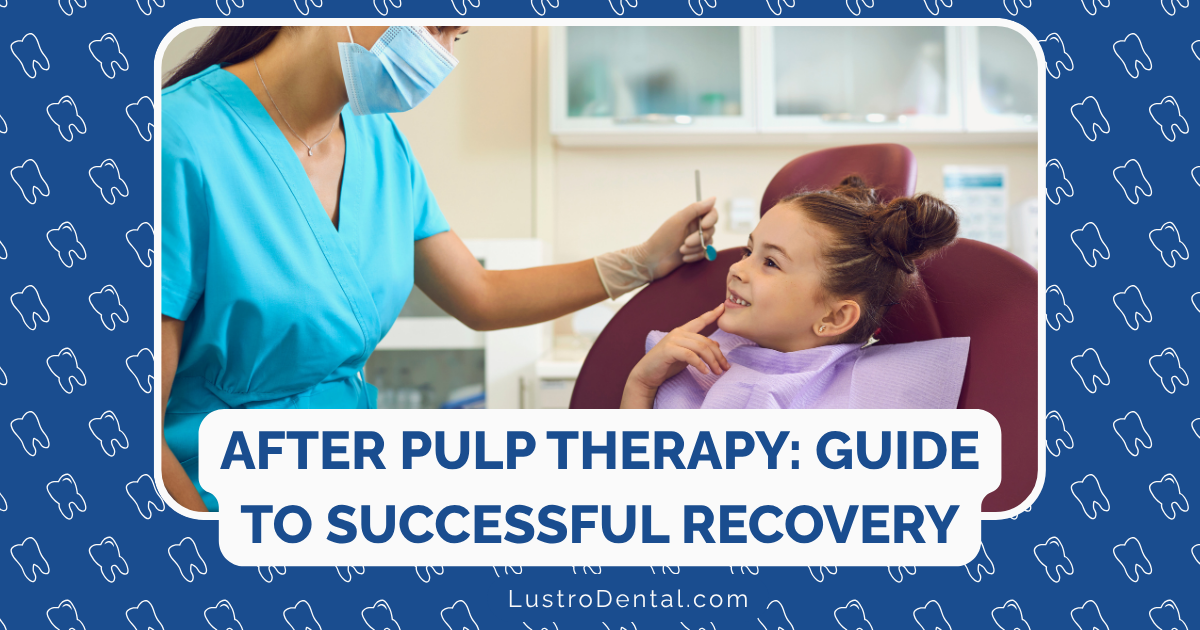
Your child has just undergone pulp therapy—whether a pulpotomy (partial removal of the pulp) or a pulpectomy (complete removal of the pulp). The procedure itself may be over, but the recovery and care period is just beginning. As a parent, you play a crucial role in ensuring the treatment’s long-term success and your child’s comfort during healing.
I’ve guided thousands of families through this process, and I understand the questions and concerns that arise. This guide will walk you through everything you need to know about caring for your child after pulp therapy, from the first hours post-procedure to long-term monitoring.
The initial recovery period is critical for setting the stage for successful healing. Here’s what to expect and how to help your child during the first day after treatment:
Your child will likely leave the dental office with their mouth still numb from local anesthesia. This numbness typically lasts 2-3 hours after the procedure.
Do:
Don’t:
Dr. Sarah Johnson of Andover Pediatric Dentistry recommends: “If your child accidentally bites their lip or cheek while numb, apply a cold compress to reduce swelling. The area may develop a small ulcer, but this should heal completely within 7-10 days.”
Most children experience mild discomfort or sensitivity after pulp therapy. This is normal and typically peaks within the first 24 hours.
For pain relief:
When to be concerned:
What your child eats in the first 24 hours can affect both their comfort and the healing process.
Recommended foods:
Foods to avoid:
As your child moves beyond the initial recovery phase, you’ll want to focus on supporting the healing process while gradually returning to normal activities.
Keeping your child’s mouth clean is essential for preventing infection and ensuring proper healing.
Brushing guidelines:
Dr. Michael Chen of Spanaway Children’s Dentistry explains: “Good oral hygiene after pulp therapy is crucial for preventing secondary infections. Even though your child might be hesitant to brush near the treated tooth, gentle cleaning is essential.”
As healing progresses, you can gradually reintroduce more foods into your child’s diet.
Days 2-3:
Days 4-7:
Most children can return to normal activities within a day after pulp therapy, but some considerations remain:
While complications are rare after pulp therapy, knowing what to watch for can help you address any issues promptly.
Contact your dentist immediately if you notice any of these signs:
Dr. Lisa Wong from Little Dental Pediatric Dentistry advises: “While some discomfort is expected, severe pain or swelling that doesn’t improve with medication could indicate an infection or other complication that needs immediate attention.”
Many pulp therapy treatments are completed with the placement of a stainless steel crown to protect the tooth. These require some special care:
The success of pulp therapy depends not just on the initial procedure but on proper long-term monitoring and care.
Your dentist will typically schedule follow-up appointments to monitor the treated tooth:
These appointments are crucial for ensuring that:
With proper care and follow-up, the prognosis for teeth treated with pulp therapy is generally excellent:
According to the North Potomac Pediatric Dental Associates, “Baby teeth with pulpotomies will be lost in the same way as other baby teeth, when the permanent tooth dissolves the root enough for them to be lost.”
Beyond caring for the treated tooth, maintaining good overall oral health habits will help prevent the need for additional pulp therapy in other teeth:
Every child responds differently to dental procedures. Some bounce back almost immediately, while others may need a little more time and comfort. Trust your instincts as a parent—you know your child best.
I’ve found that maintaining a positive attitude about the procedure helps children recover more quickly. Rather than focusing on pain or discomfort, emphasize how the treatment is helping make their tooth healthy again. Celebrate their bravery and resilience with appropriate (non-sugary) rewards.
The days and weeks following pulp therapy are crucial for ensuring the treatment’s long-term success. By following these aftercare guidelines, you’re not just helping your child recover from a dental procedure—you’re teaching them the importance of dental health maintenance and follow-up care.
Remember that the goal of pulp therapy is to save your child’s tooth and maintain its function until it’s naturally ready to be replaced by a permanent tooth (for baby teeth) or for many years to come (for permanent teeth). Your diligence in aftercare plays a vital role in achieving this goal.
If you ever have questions or concerns during your child’s recovery, don’t hesitate to contact your pediatric dentist. They’re your partner in ensuring your child’s smile stays healthy and bright.
Do you have questions about caring for your child after pulp therapy? Share them in the comments below, and we’ll address them in a future post!
Most children return to feeling normal within 3-7 days after pulp therapy. The first 48 hours typically have the most noticeable discomfort, which gradually improves. By one week post-procedure, most children experience no further discomfort related to the treatment.
No, pulp therapy doesn’t affect the normal process of losing baby teeth. A primary tooth that has undergone pulp therapy will still exfoliate (fall out) naturally when the permanent tooth underneath is ready to erupt. The stainless steel crown will come out along with the baby tooth when it’s time.
Yes, pulp therapy doesn’t interfere with future orthodontic treatment. In fact, by preserving the baby tooth until it’s naturally ready to fall out, pulp therapy helps maintain proper spacing for permanent teeth, potentially reducing the need for extensive orthodontic work later.
While mild discomfort for 2-3 days is normal, persistent or severe pain beyond this timeframe warrants a call to your dentist. It could indicate an infection or other complication that needs attention.