🦷 General Care
✨ Treatments
👶 Family Care
💚 Wellness
💡 Resources

🦷 General Care
✨ Treatments
👶 Family Care
💚 Wellness
💡 Resources

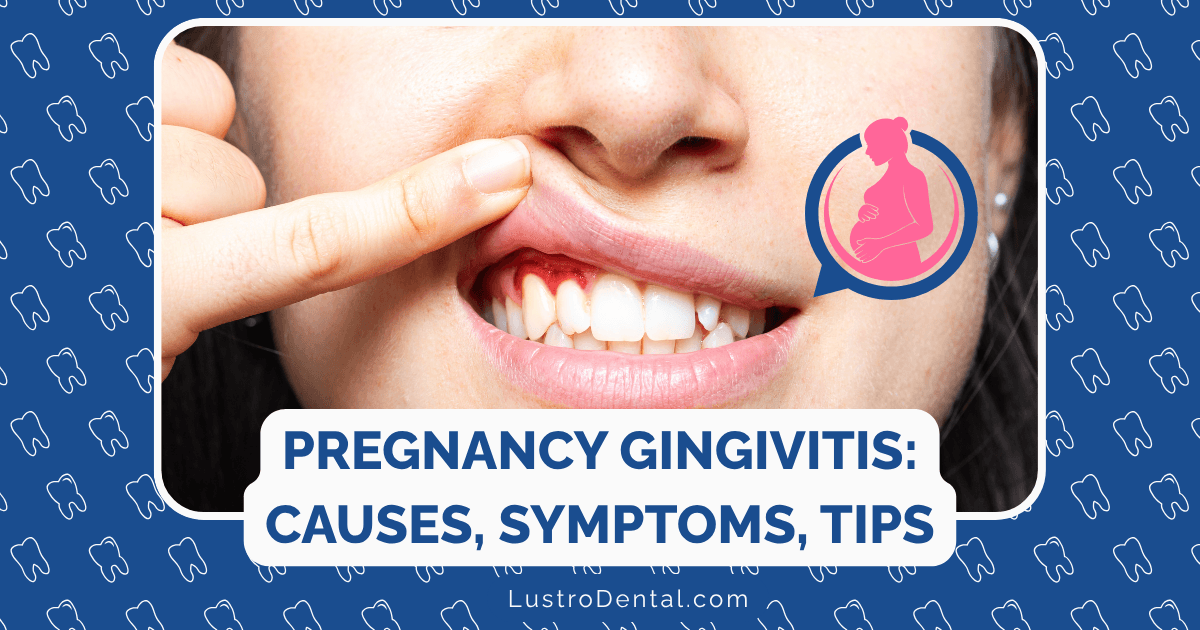
When I first noticed my gums bleeding during pregnancy, I panicked. Was something seriously wrong? As it turns out, I was experiencing one of the most common—yet least discussed—pregnancy symptoms: pregnancy gingivitis.
If you’ve noticed your gums looking redder, feeling tenderer, or bleeding more easily since becoming pregnant, you’re not alone. According to the Centers for Disease Control and Prevention, a staggering 60-75% of expectant mothers develop some form of pregnancy gingivitis. Yet despite its prevalence, many women receive little to no guidance on managing these changes.
Let’s change that today.
Pregnancy gingivitis is inflammation of the gums that occurs specifically during pregnancy. While similar to regular gingivitis, the pregnancy version has a unique trigger: your hormones.
“During my second trimester, my gums would bleed every time I brushed,” shares Eliza, a mother of two from Portland. “My dentist explained that it wasn’t because I was doing anything wrong—it was my pregnancy hormones making my gums more sensitive to the bacteria in plaque.”
Eliza’s dentist was spot-on. During pregnancy, elevated levels of estrogen and progesterone increase blood flow to the gums, making them more sensitive to irritants like plaque. These hormonal changes also disrupt the normal bacterial balance in your mouth, allowing certain bacteria to flourish.
Pregnancy gingivitis typically develops between the second and eighth month of pregnancy, with symptoms peaking during the third trimester. Here’s what to watch for:
According to the Cleveland Clinic, these symptoms often improve after delivery as hormone levels return to normal. However, that doesn’t mean you should simply endure them for nine months.
You might be wondering: if pregnancy gingivitis typically resolves after delivery, why worry about treating it?
The answer lies in what can happen if it progresses unchecked.
Untreated gingivitis can develop into periodontitis, a more serious form of gum disease that damages the tissues and bones supporting your teeth. Research published by the American College of Obstetricians and Gynecologists has shown associations between periodontal disease and concerning pregnancy outcomes, including:
While the exact nature of these connections is still being studied, the message is clear: your oral health during pregnancy deserves attention.
The good news? Pregnancy gingivitis is both preventable and manageable with the right approach. Here’s your comprehensive action plan:
The foundation of gingivitis prevention is a solid oral hygiene routine:
“I found that setting a timer for two minutes while brushing helped ensure I was giving my teeth the attention they needed,” says Morgan, who managed pregnancy gingivitis through two pregnancies. “And switching to a water flosser made a huge difference when my gums were at their most sensitive.”
Many women avoid dental appointments during pregnancy due to safety concerns. However, the American Dental Association emphasizes that preventive dental care is not only safe during pregnancy but highly recommended.
Dental X-rays, when necessary, are safe during pregnancy when abdominal and thyroid shields are used.
Several natural approaches can complement your regular oral care routine:
What you eat significantly impacts your oral health:
If you’re experiencing morning sickness, the acid from vomiting can erode tooth enamel and worsen gum irritation:
While mild pregnancy gingivitis can often be managed with the strategies above, certain signs warrant a prompt dental visit:
These symptoms may indicate that your gingivitis has progressed to periodontitis or that you’ve developed a pregnancy tumor (a benign growth on the gums that sometimes occurs during pregnancy).
The oral hygiene habits you develop during pregnancy benefit both you and your baby long after delivery. Research from the International Centre for Oral Health Inequalities Research & Policy shows that mothers with good oral health are less likely to transmit cavity-causing bacteria to their infants.
Additionally, the habits you model—like regular brushing, flossing, and dental visits—set the foundation for your child’s lifelong approach to oral health.
Pregnancy brings countless changes to your body, and your gums are no exception. By understanding the causes of pregnancy gingivitis and taking proactive steps to manage it, you’re not just protecting your smile—you’re supporting your overall health and potentially your baby’s health too.
Remember that pregnancy gingivitis, while common, isn’t inevitable. With diligent care and the strategies outlined above, many women navigate pregnancy with minimal gum issues.
Have you experienced pregnancy gingivitis? What strategies worked best for you? Share your experiences in the comments below to help other expectant mothers on their journey to optimal oral health.