🦷 General Care
✨ Treatments
👶 Family Care
💚 Wellness
💡 Resources

🦷 General Care
✨ Treatments
👶 Family Care
💚 Wellness
💡 Resources

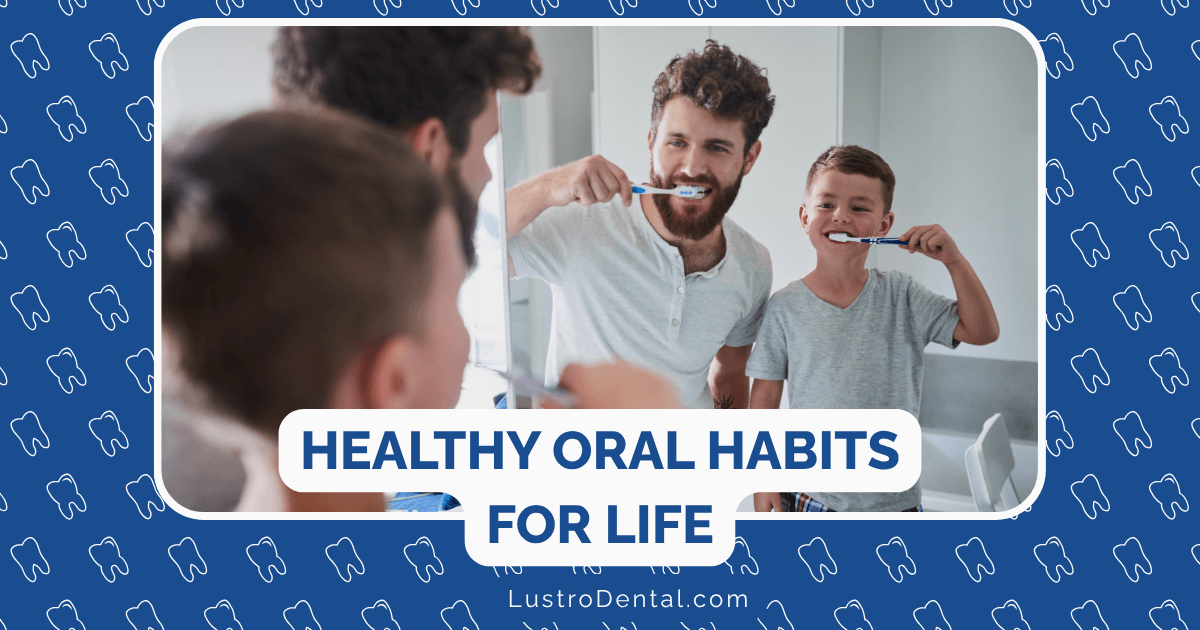
That gummy smile your baby flashes is adorable, but it won’t stay gummy for long. Before you know it, those tiny teeth will start making their appearance, and with them comes the responsibility of establishing good oral hygiene habits that will last a lifetime. The foundation you lay now doesn’t just affect your child’s baby teeth—it shapes their dental health for decades to come.
According to the American Academy of Pediatric Dentistry, dental care should begin well before that first tooth even emerges. But how exactly do you care for a mouth with no teeth? And what’s the best way to transition to proper brushing and flossing as your little one grows? Let’s dive into the essentials of establishing healthy oral habits from day one.
You might wonder why oral care matters for a toothless infant. The truth is, your baby’s oral health journey begins at birth. Dr. Sarah Chen, pediatric dentist at Children’s Dental Health Center, explains: “The mouth is a gateway to the body’s overall health. Even before teeth erupt, bacteria are present in a baby’s mouth. Establishing cleaning routines early not only prevents potential issues but also acclimates your child to the sensation of having their mouth cleaned.”
Starting early offers several key benefits:
Even without teeth, gentle oral care is important:
Dr. Michael Rodriguez from the American Dental Association recommends: “Think of gum cleaning as not just about hygiene, but also about getting your baby used to having their mouth cleaned. This makes the transition to toothbrushing much smoother.”
Most babies get their first tooth around 6 months, though timing varies widely. When that first tooth appears:
According to a 2024 study in the Journal of Pediatric Dentistry, using the correct amount of fluoride toothpaste from the start reduces cavity risk by up to 40% compared to delaying fluoride use.
As your toddler grows, so should their involvement in oral care:
Emily Warren, pediatric dental hygienist at Children’s Oral Health Initiative, suggests: “Turn brushing into a game. Use a two-minute song or timer app. Let your child choose between two toothbrushes. The more they feel involved, the more cooperative they’ll be.”
Preschoolers can take on more responsibility, but still need supervision:
One easy way to remember the basics of good oral care is the 2-2-2 rule:
This simple framework creates a consistent routine that children can understand and follow.
Let’s face it—brushing teeth isn’t inherently exciting for most kids. Here’s how to transform it from a chore into something they might actually look forward to:
Dr. James Peterson, child development specialist at Healthy Kids Institute, notes: “Children respond well to positive reinforcement. A simple reward system can transform brushing from a battle into a positive experience for everyone involved.”
Establishing healthy oral habits goes beyond brushing and flossing—what your child eats significantly impacts their dental health:
A 2023 study published in the International Journal of Pediatric Dentistry found that children who consumed sugary drinks more than once daily had a 73% higher rate of cavities than those who limited sugar consumption.
Even with the best intentions, parents often face obstacles in establishing good oral habits:
Solution: Start with very brief sessions and gradually increase time. Use distraction techniques like singing or storytelling. Give choices where possible—”Do you want to use the blue brush or the red one today?”
Solution: Start dental visits early before problems develop. Choose a pediatric dentist who specializes in treating children. Read books about dental visits and play “dentist” at home.
Solution: For children under 4, these habits aren’t usually problematic. Beyond age 4, work with your dentist on gentle discouragement strategies. Never shame a child for these self-soothing behaviors.
Solution: Create a written or visual guide for all caregivers to follow. Keep duplicate supplies at locations where your child spends significant time, like grandparents’ homes.
While most children adapt well to oral hygiene routines, certain signs warrant professional attention:
Dr. Lisa Chen, pediatric dentist at American Academy of Pediatric Dentistry, advises: “Never hesitate to contact your child’s dentist with concerns, even between regular visits. Early intervention can prevent minor issues from becoming major problems.”
The oral care habits established in the first few years have far-reaching effects:
A longitudinal study published in the Journal of Dental Research in 2024 found that children who established consistent oral hygiene routines before age 3 were 62% more likely to maintain excellent oral health into adulthood.
Sometimes the most practical advice comes from parents who’ve been in the trenches:
“We made up a special ‘toothbrush dance’ that we do every night. My daughter looks forward to it and gets upset if we try to skip it.” — Jamie, mother of a 3-year-old
“The game-changer for us was letting our son choose his own toothbrush at the store. He picked one that lights up for two minutes, and now he’s determined to keep brushing until the light goes off.” — Michael, father of a 4-year-old
“We use a visual chart with pictures of all the steps—wetting the toothbrush, applying toothpaste, brushing top teeth, bottom teeth, tongue, then rinsing. My son loves moving through each step and checking them off.” — Taylor, parent of a 2-year-old
Every family is unique, but these steps can help you create an effective oral health strategy:
Establishing healthy oral habits from the start isn’t about perfection—it’s about consistency. Small, daily actions compound over time to create lifetime patterns of good oral health. By starting early, making it fun, and maintaining routines, you’re giving your child one of the most valuable gifts possible: a foundation for a lifetime of healthy smiles.
Remember Dr. Rodriguez’s advice: “The most important toothbrushing of the day is the one that actually happens. Focus first on consistency, then gradually improve technique and duration.”
Have you found creative ways to make oral care fun for your little one? Share your tips and experiences in the comments below!