🦷 General Care
✨ Treatments
👶 Family Care
💚 Wellness
💡 Resources

🦷 General Care
✨ Treatments
👶 Family Care
💚 Wellness
💡 Resources

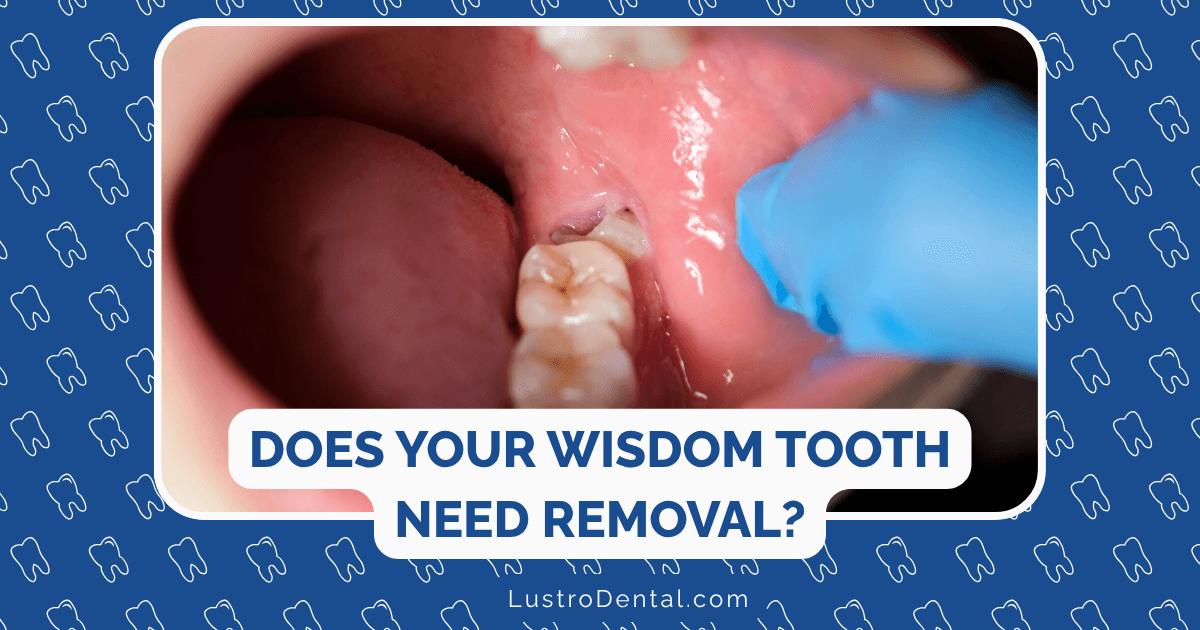
Those third molars lurking in the back of your mouth—commonly known as wisdom teeth—can be surprisingly problematic for such small structures. While most people associate wisdom teeth removal with the obvious symptoms of pain and swelling, there are actually many subtler signs that these late-blooming teeth need to make an exit.
As someone who’s guided many patients through dental health decisions, I’ve seen how recognizing these less obvious symptoms early can save you from significant discomfort and complications down the road. Let’s explore the full spectrum of signals your wisdom teeth might be sending you—beyond just the pain and inflammation most people wait for before seeking help.
First, let’s understand what we’re dealing with. Wisdom teeth are the third set of molars that typically emerge between the ages of 17 and 25—a time traditionally associated with gaining “wisdom,” hence their name. According to the American Academy of Oral and Maxillofacial Surgeons, about 90% of people have at least one impacted wisdom tooth, meaning it doesn’t have enough room to emerge or develop normally.
Our ancestors needed these additional molars to help process their rough diet of raw plants, nuts, and meats. But our modern diet of softer foods, along with evolutionary changes in jaw size, has made wisdom teeth largely unnecessary—and often problematic.
While throbbing pain and swollen gums are obvious red flags, here are the less recognized signs that your wisdom teeth may need professional attention:
What it feels like: You might notice your teeth don’t fit together quite the same way they used to. Perhaps your bite feels “off” or uneven when you close your mouth.
Why it happens: Emerging wisdom teeth can exert significant pressure on your existing teeth, gradually shifting them out of position. This can happen slowly enough that you might not connect it to your wisdom teeth.
Dr. James Miller, an orthodontist at Cleveland Clinic, explains: “Many patients are surprised to learn that the subtle changes in their bite are actually caused by wisdom teeth pushing from the back of the mouth, creating a domino effect of movement.”
What it feels like: Unexplained sinus pressure, congestion, headaches, or sinus pain that doesn’t respond to typical treatments.
Why it happens: Your upper wisdom teeth roots are positioned very close to your sinus cavities. As these teeth develop and push upward, they can physically press against the sinus floor, causing inflammation and congestion that mimics sinus infections.
A study published in the International Journal of Dental Research found that approximately 25% of patients experiencing chronic sinus issues had complete or partial resolution after wisdom teeth removal.
What it feels like: Halitosis (bad breath) that doesn’t improve with brushing, flossing, or mouthwash.
Why it happens: Partially erupted wisdom teeth create perfect hiding spots for food particles and bacteria. These areas are nearly impossible to clean effectively, leading to chronic bad breath and an unpleasant taste in your mouth.
“When patients tell me they’re brushing diligently but still experiencing bad breath, it’s often a sign that partially erupted wisdom teeth are creating bacterial traps,” notes Dr. Sarah Thompson of Blue Turtle Dental.
What it feels like: Gradual reduction in how wide you can open your mouth, or stiffness in the jaw that worsens throughout the day.
Why it happens: Impacted wisdom teeth can cause inflammation in the jaw muscles and joints, leading to limited range of motion. This restriction often develops gradually, making it easy to overlook until it significantly affects eating or speaking.
What it feels like: Swollen, slightly tender nodes under your jaw or in your neck that may come and go.
Why it happens: Your lymphatic system responds to the low-grade infection or inflammation that can occur around problematic wisdom teeth. This immune response can cause your lymph nodes to enlarge, signaling that your body is fighting something—even if you don’t feel obvious pain in your mouth.
What it feels like: Pain or pressure in your ears without any signs of ear infection.
Why it happens: The pain from wisdom teeth can radiate to your ears due to shared nerve pathways. Many patients mistakenly seek treatment from their primary care doctor for ear pain, not realizing the source is dental.
What it feels like: You might not feel anything, but a visual inspection shows a thin red line or slight puffiness along the gum behind your second molars.
Why it happens: This subtle inflammation, called pericoronitis, indicates that bacteria are collecting under the gum flap covering a partially erupted wisdom tooth. Even mild cases can progress to serious infection if left untreated.
Sometimes wisdom teeth should be evaluated for removal even in the absence of symptoms. According to the Mayo Clinic, there are several situations where preventive extraction might be recommended:
If you’ve invested in orthodontic treatment like braces or Invisalign, your orthodontist might recommend wisdom teeth removal to prevent future crowding. A 2025 study in the Journal of Orthodontics found that retained wisdom teeth were associated with a 60% higher risk of anterior dental crowding relapse after orthodontic treatment.
The ideal time for wisdom teeth removal is typically between ages 17-25, when the roots are not fully formed and the bone is less dense. Extraction during this window generally means:
Waiting until later in life often results in more complicated surgeries and longer recovery periods.
Your dentist might recommend removal if they anticipate future difficulties, such as:
Not all wisdom teeth require extraction. Your dentist might recommend a “watch and wait” approach if:
Regular monitoring with dental X-rays every 1-2 years can help catch any developing issues before they become problematic.
If you’re experiencing any of the symptoms we’ve discussed, here’s what typically happens during an evaluation:
Dr. Robert Chen of Kent Lawson DDS advises, “Even if symptoms are mild, it’s worth having your wisdom teeth evaluated. Early intervention often means simpler procedures and faster recovery.”
When discussing wisdom teeth with your dentist, consider asking:
Wisdom teeth removal is one of the most common dental procedures performed, with approximately five million extractions each year in the United States alone. While not everyone needs their wisdom teeth removed, being aware of the subtle warning signs can help you make timely decisions about your dental health.
Remember that wisdom teeth symptoms can be deceptively mild at first, only to escalate quickly. That dull ache or slight redness might not seem urgent today, but addressing these early signs can prevent emergency situations and more complex procedures down the road.
Have you experienced any of these less obvious symptoms? Or perhaps you’ve had your wisdom teeth removed and noticed resolution of problems you didn’t initially connect to your third molars? Share your experience in the comments below to help others recognize these subtle signs.