Wisdom Teeth Recovery: Day-by-Day Healing Timeline and Tips
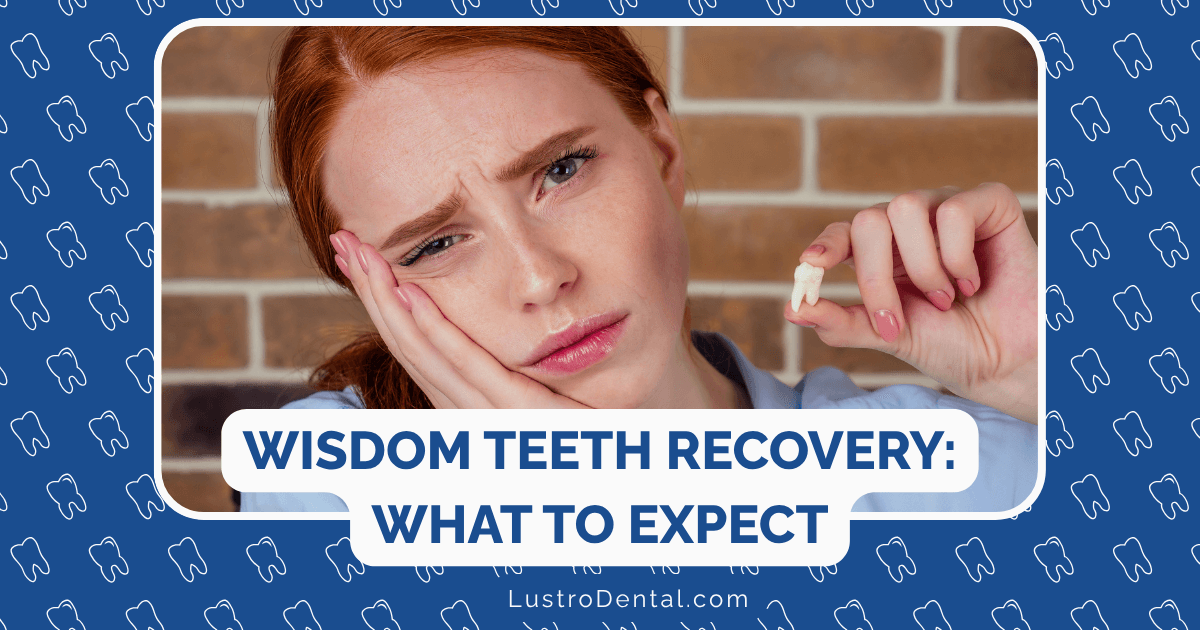
Having your wisdom teeth removed is practically a rite of passage for many young adults. While the procedure itself is routine, the recovery process can feel anything but—especially if you don’t know what to expect. As someone who’s guided countless patients through this journey, I’ve found that understanding the day-by-day healing process can transform the experience from anxiety-inducing to manageable.
In this comprehensive guide, I’ll walk you through what to expect each day after wisdom teeth extraction, along with practical tips to make your recovery as smooth and comfortable as possible. Remember, everyone’s healing journey is unique, but this timeline will give you a general roadmap of what lies ahead.
A successful recovery actually starts before your surgery. Here’s how to prepare:
Stock up on recovery essentials: Soft foods, ice packs, gauze pads, prescribed medications
Arrange for transportation: You’ll need someone to drive you home after surgery
Clear your schedule: Plan for at least 2-3 days of rest with minimal activity
Set up a recovery station: Gather pillows for elevation, entertainment options, and necessities within easy reach
Fill prescriptions in advance: Have pain medications ready before you need them
Now, let’s dive into what you can expect day by day.
Day 0: Surgery Day
What’s happening in your body: Your body is processing anesthesia while beginning the initial healing process. Blood clots are starting to form in the extraction sites—these are crucial for proper healing.
What you’ll likely experience:
Numbness around the mouth and lips (from local anesthesia)
Gauze packs placed over extraction sites
Grogginess or sleepiness (if you received sedation)
Initial bleeding from extraction sites
Minimal pain while anesthesia is still active
Recovery tips:
Rest, rest, rest: Stay in bed or on the couch with your head elevated
Change gauze pads: Replace them when they become saturated (typically every 30-45 minutes)
Apply ice packs: 20 minutes on, 20 minutes off to minimize swelling
Start medications: Take prescribed pain medication before anesthesia wears off completely
Stay hydrated: Sip room-temperature water (no straws!)
Eat nothing until numbness subsides: To prevent biting your cheek or tongue
What’s happening in your body: Inflammation is ramping up as your body’s natural healing response. Blood clots are continuing to form and stabilize in the extraction sites.
What you’ll likely experience:
Increasing pain as anesthesia fully wears off
Facial swelling beginning to develop
Continued minor bleeding or oozing
Jaw stiffness making it difficult to open wide
Difficulty speaking normally
Possible bruising beginning to appear
Recovery tips:
Continue ice application: 20 minutes on, 20 minutes off throughout the day
Take medications as prescribed: Stay ahead of pain by following the schedule
Stay hydrated: Drink plenty of cool (not cold) liquids
Keep your head elevated: When resting and sleeping to reduce swelling
Rest: Continue to avoid physical activity
What to avoid:
Same restrictions as Day 0, plus:
Poking the surgical sites with your tongue
Brushing teeth near extraction sites
Excessive talking or facial movements
Dr. Sarah Johnson at the Cleveland Clinic notes that the first 24 hours are critical for preventing dry socket, a painful condition that occurs in 2-5% of extractions when blood clots become dislodged.
Day 2: Peak Swelling Day
What’s happening in your body: Inflammation is typically at its peak. The extraction sites are beginning to form granulation tissue beneath the blood clots.
What you’ll likely experience:
Maximum facial swelling (often appearing lopsided)
Continued jaw stiffness
Difficulty chewing
Possible bruising becoming more visible
Pain that should be manageable with medication
Less bleeding, though mild oozing may still occur
Recovery tips:
Switch to warm compresses: After 36 hours, transition from ice to warm, moist heat to improve circulation
Begin gentle salt water rinses: Mix 1/2 teaspoon salt in 8 oz warm water and gently rinse after meals (no vigorous swishing)
Continue soft foods: Add in lukewarm soups, scrambled eggs, and soft pasta
Stay on medication schedule: Even if pain begins to subside
Begin very gentle brushing: Avoid extraction sites completely
Rest: Continue to limit activity, though short walks around the house are fine
What to avoid:
Crunchy, spicy, or acidic foods
Vigorous rinsing or spitting
Strenuous activities that increase blood pressure
Using straws or smoking (still crucial for blood clot preservation)
Days 3-4: Beginning to Turn the Corner
What’s happening in your body: Inflammation is starting to decrease. The blood clots are becoming more stable, and granulation tissue continues to form.
What you’ll likely experience:
Swelling beginning to subside
Bruising may be more prominent but will start fading
Decreased pain levels
Improved jaw mobility
Better ability to eat soft foods
Possible itching around extraction sites (a sign of healing)
Recovery tips:
Continue warm compresses: To help reduce remaining swelling
Maintain salt water rinses: After meals and before bed
Expand your diet slightly: Add in soft sandwiches, pasta, rice, and other foods that don’t require much chewing
Begin tapering pain medication: If discomfort is manageable, consider switching to over-the-counter options
Increase gentle activity: Short walks outside are beneficial for circulation and mood
Brush teeth more normally: Still being careful around extraction sites
What to avoid:
Foods that require significant chewing
Exercise beyond walking
Smoking or straws (critical until day 7)
According to research published in the Journal of Oral and Maxillofacial Surgery, by day 4, most patients report a significant improvement in comfort and function, though complete healing is still weeks away.
Days 5-7: Returning to Routine
What’s happening in your body: Granulation tissue is filling in the extraction sites. The gum tissue is beginning to grow over the sockets. Inflammation continues to decrease.
What you’ll likely experience:
Minimal swelling remaining
Significantly less pain (possibly just tenderness)
Improved ability to open mouth
Better chewing ability
Dissolving stitches may start to come out (if you have them)
Extraction sites beginning to look less raw
Recovery tips:
Continue salt water rinses: Especially after eating
Expand your diet further: Add more normal foods as comfort allows
Return to normal activities gradually: Most people can return to work or school
Use an extra-soft toothbrush: For gentle cleaning around extraction sites
Watch for food impaction: Use salt water rinses to flush out extraction sites after eating
What to avoid:
Very hard, crunchy, or sticky foods
Vigorous exercise or contact sports
Smoking (ideally for at least 2 weeks total)
Week 2: The New Normal
What’s happening in your body: Soft tissue healing is well underway. The extraction sites are filling in with new tissue, though the sockets are still visible.
What you’ll likely experience:
Minimal to no pain
Normal facial appearance (swelling and bruising resolved)
Normal jaw function
Ability to eat most foods comfortably
Extraction sites appearing as indentations in the gums
Recovery tips:
Return to normal oral hygiene: Including careful brushing around extraction sites
Resume normal diet: As comfort allows
Return to exercise routine: Gradually increasing intensity
Attend follow-up appointment: If scheduled by your surgeon
What to avoid:
Poking at extraction sites
Very small, hard foods that could get lodged in sockets (seeds, nuts, popcorn)
Weeks 3-6: Complete Healing
What’s happening in your body: Bone healing is continuing beneath the surface. Soft tissue is closing over the extraction sites.
What you’ll likely experience:
No pain related to extraction
Extraction sites appearing as smaller indentations
Normal function in all respects
Possible sensation of “holes” or indentations where teeth were removed
Recovery tips:
Maintain good oral hygiene: Including regular flossing
Use an irrigating syringe if provided: To clean extraction sites until they’re fully closed
Complete any prescribed antibiotics: Even if you feel completely healed
According to the Mayo Clinic, while the surface tissue heals within a few weeks, complete bone healing can take 3-6 months.
Warning Signs: When to Call Your Surgeon
While complications are relatively rare, it’s important to know the warning signs that warrant immediate attention:
Signs of Infection:
Fever over 101°F
Increasing pain and swelling after day 3
Pus or discharge from extraction sites
Foul taste or smell that persists despite rinsing
Excessive redness or warmth around the surgical area
Signs of Dry Socket:
Severe pain developing 3-5 days after surgery
Pain radiating to the ear, eye, temple, or neck
Visible loss of blood clot with empty-looking socket
Bleeding that doesn’t stop after applying pressure with gauze for 30 minutes
Difficulty breathing or swallowing
Severe nausea or vomiting
Numbness that persists beyond 24 hours
Special Recovery Considerations
Managing Pain Effectively
Pain management is a crucial part of recovery. Here’s a tiered approach:
Prescription pain medication: Typically needed for the first 2-3 days
Over-the-counter options: As pain subsides, transition to ibuprofen or acetaminophen
Natural supplements: Some find relief with arnica montana or bromelain to reduce swelling
Cold/heat therapy: Continue as needed throughout recovery
Nutrition During Recovery
Proper nutrition supports healing. Focus on:
Protein-rich soft foods: Greek yogurt, protein shakes, well-cooked eggs
Vitamin C sources: Fruit smoothies, mashed sweet potatoes
Anti-inflammatory options: Broths, smoothies with turmeric or ginger
Hydration: Water, herbal teas, diluted fruit juices (no straws!)
A study in the Journal of Nutrition found that adequate protein intake can reduce recovery time after surgical procedures by up to 30%.
Sleep and Recovery
Quality sleep is essential for healing. Try these strategies:
Elevate your head: Use 2-3 pillows to reduce swelling
Sleep on your back: To avoid pressure on extraction sites
Take pain medication before bed: To prevent nighttime discomfort
Use a humidifier: To prevent dry mouth while sleeping with your mouth open
Final Thoughts
Wisdom teeth recovery follows a predictable pattern for most people, with the first three days being the most challenging. By day 4 or 5, you’ll likely feel significantly better, and by two weeks, the extraction sites will be well on their way to healing.
Remember that your body has an amazing capacity to heal itself. By following these guidelines and giving yourself permission to rest and recover, you’re supporting that natural healing process.
Have you recently had your wisdom teeth removed? What recovery tips worked best for you? Share your experience in the comments below to help others on their healing journey.