🦷 General Care
✨ Treatments
👶 Family Care
💚 Wellness
💡 Resources

🦷 General Care
✨ Treatments
👶 Family Care
💚 Wellness
💡 Resources

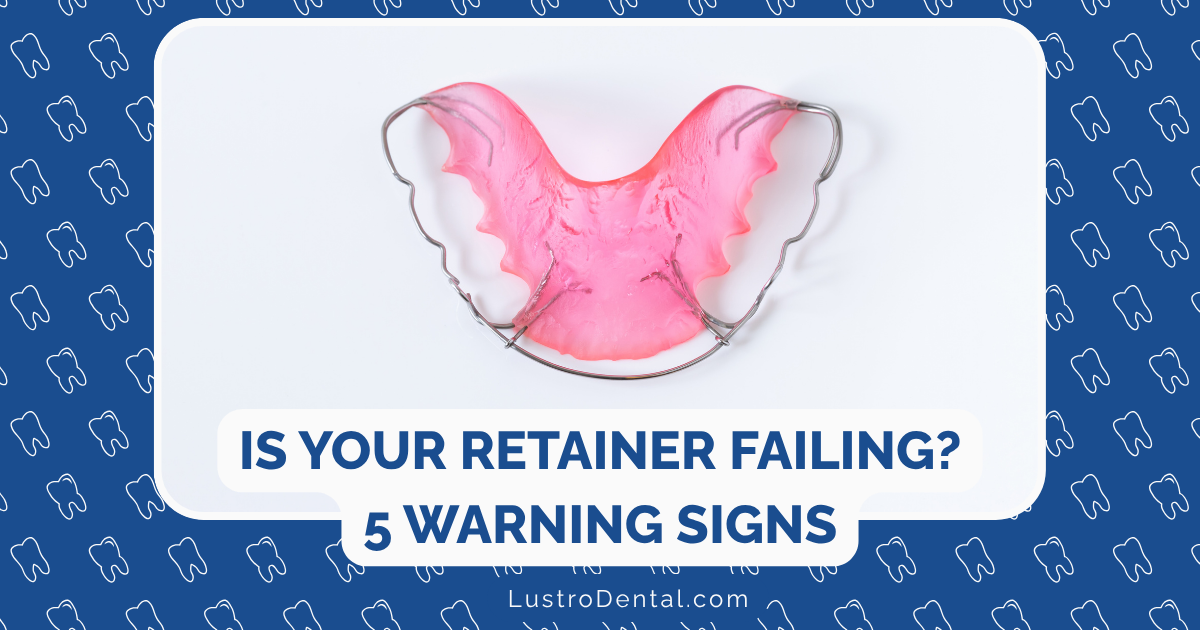
After investing time, money, and perhaps a bit of discomfort in your orthodontic treatment, your retainer becomes your smile’s best friend—the guardian that keeps your teeth in their new, perfectly aligned positions. But what happens when this guardian isn’t performing its duty effectively?
Many people assume that simply wearing a retainer as directed guarantees permanent results. However, various factors can compromise your retainer’s effectiveness, potentially allowing your teeth to shift despite your best efforts.
In this comprehensive guide, we’ll explore the telltale signs that your retainer needs replacement, understand why problems might occur, and most importantly, identify when it’s time to schedule a visit with your orthodontist.
Let’s start with the most obvious indicators—physical changes to your retainer itself that suggest it may no longer be effective.
Even small cracks in your retainer can significantly compromise its structural integrity and effectiveness. According to Blue Ridge Orthodontics, cracks are one of the primary indicators that your retainer needs replacement.
What to look for:
Why it matters: Beyond reducing effectiveness, damaged retainers can harbor bacteria in the cracks, potentially leading to oral health issues. A study cited by Saxe Orthodontics found that over 50% of retainers carry bacteria not typically found in the oral microbiome, including harmful strains like Staphylococcus.
A retainer should fit snugly against your teeth. If yours feels loose or doesn’t seem to fit properly anymore, this is a clear indication something is wrong.
What to look for:
Why it matters: A loose retainer cannot effectively hold your teeth in position. According to All About Smiles Orthodontics, this is one of the most common reasons retainers fail to prevent teeth from shifting.
Retainers, especially clear plastic ones, can warp due to heat exposure or general wear over time.
What to look for:
Why it matters: A warped retainer applies uneven pressure to your teeth, which not only reduces its effectiveness but could potentially cause unwanted tooth movement in the wrong direction.
While primarily an aesthetic issue, excessive buildup on your retainer can affect both fit and function.
What to look for:
Why it matters: Beyond being unpleasant, significant buildup can slightly alter the dimensions of your retainer, affecting its fit and function. Additionally, as Ferri Orthodontics points out, excessive buildup can make you less likely to wear your retainer consistently, which defeats its purpose.
If your retainer has developed a persistent unpleasant smell or taste despite regular cleaning, it may be time for a replacement.
What to look for:
Why it matters: These issues typically indicate bacterial colonization within the retainer material itself, which can contribute to bad breath and potentially affect your oral health.
Beyond issues with the retainer itself, changes in your teeth or mouth can signal that your retainer isn’t performing its job effectively.
The most obvious sign that your retainer isn’t working is teeth shifting. According to Sporting Smiles, this can happen even if you’re wearing your retainer as directed.
What to look for:
Why it matters: Early intervention is crucial. As Fredericksburg Orthodontics notes, the longer you wait to address shifting teeth, the more difficult (and expensive) it becomes to correct them.
If your retainer feels tighter than usual, especially after you’ve been wearing it consistently, your teeth may be shifting despite retainer use.
What to look for:
Why it matters: A consistently tight retainer suggests your teeth are trying to move to new positions between wearings. This indicates your current retention plan may need adjustment.
Your bite—how your upper and lower teeth come together—should remain stable with proper retainer use.
What to look for:
Why it matters: Bite changes can lead to uneven wear on teeth, jaw pain, and potential TMJ issues if not addressed. According to My Sierra Dental, these changes often indicate underlying orthodontic issues that need professional attention.
While minor discomfort when first inserting a retainer after a period of not wearing it can be normal, persistent pain is not.
What to look for:
Why it matters: As Orthodontic Exprts explains, discomfort that persists beyond two weeks or severe pain at any point warrants a visit to your orthodontist, as it may indicate a problem with your retainer or shifting teeth.
Understanding why retainers fail can help you prevent issues before they start. Here are the most common reasons:
No retainer lasts forever. Different types have different lifespans:
According to Ferri Orthodontics, approximately 20% of retainer users forget to wear their retainer regularly. Even short periods without your retainer can allow teeth to begin shifting.
Several natural processes can affect your teeth despite retainer use:
How you care for your retainer affects its longevity and effectiveness:
Sometimes the problem isn’t with the retainer itself:
With all these potential issues in mind, how do you know when it’s time to schedule an appointment? Here are the key scenarios that warrant professional attention:
If you do need to see your orthodontist about retainer issues, here’s what typically happens:
Your orthodontist will examine your retainer for:
They’ll also check:
Depending on what they find, your orthodontist might recommend:
For retainer issues:
For tooth movement:
While some retainer issues are unavoidable, many can be prevented with proper care and attention:
The most important factor in retainer success is consistent wear according to your orthodontist’s instructions. Typically this means:
Even if everything seems fine, having your orthodontist check your retainer periodically can catch small issues before they become big problems.
If you notice any changes in how your retainer fits or feels, don’t wait for your next scheduled appointment—reach out to your orthodontist.
It’s worth emphasizing that addressing retainer issues promptly is not just about maintaining your smile—it’s also financially prudent.
Consider these potential costs:
Clearly, the cost of addressing retainer issues early is significantly less than waiting until major tooth movement has occurred.
Your retainer plays a crucial role in preserving the results of your orthodontic treatment. While it’s designed to be durable and effective, it’s not immune to problems. Being attentive to the signs that your retainer isn’t working properly—whether physical damage to the retainer itself or changes in your teeth and bite—allows you to address issues before they compromise your beautiful smile.
Remember that wearing a retainer is a long-term commitment, but the payoff is a lifetime of confident smiles. By maintaining a good relationship with your orthodontist and seeking help when needed, you can ensure that your investment in orthodontic treatment continues to reward you for years to come.
Have you experienced issues with your retainer? Share your experience in the comments below to help others recognize and address similar problems.