The Patient Journey Through Orthognathic Surgery: Timeline and Milestones
When I first meet patients considering orthognathic surgery, their questions almost always revolve around the same theme: “What will this journey actually be like?” It’s completely understandable. Jaw surgery represents a significant life event—one that promises transformation but requires patience, preparation, and perseverance.
Having guided countless patients through this process, I’ve created this comprehensive timeline to help you understand what lies ahead. Orthognathic surgery isn’t just a procedure; it’s a journey that typically spans 1-2 years from start to finish. But the results? They can last a lifetime.
Understanding Orthognathic Surgery: More Than Just Cosmetic
Before diving into the timeline, let’s clarify what orthognathic surgery actually is. This specialized procedure corrects irregularities of the jawbones and realigns the jaws and teeth to improve function and appearance. According to the Cleveland Clinic, orthognathic surgery has an impressive 94% success rate.
Facial injury or birth defects affecting jaw alignment
Phase 1: Consultation and Planning (3-6 months)
Initial Consultation
Your journey begins with a thorough evaluation by both an orthodontist and an oral and maxillofacial surgeon. This team approach ensures comprehensive care tailored to your specific needs.
During this appointment, expect:
Detailed facial and dental examinations
Discussion of your concerns and goals
Preliminary assessment of whether surgery might benefit you
Overview of the treatment process
Diagnostic Records (1-2 months after initial consultation)
If you and your providers decide to move forward, the next step involves gathering detailed records:
3D cone beam CT scans
Digital dental impressions
Facial photographs from multiple angles
Functional assessments of your bite and jaw movement
Treatment Planning Conference
This crucial meeting brings together your surgeon and orthodontist to:
Analyze your diagnostic records
Create a customized surgical plan
Determine the exact movements needed for optimal jaw alignment
Plan the pre-surgical orthodontic phase
Many surgical teams now use advanced 3D virtual surgical planning to visualize outcomes before surgery, allowing for more precise results.
Phase 2: Pre-Surgical Orthodontics (12-18 months)
This phase often surprises patients with its length, but it’s absolutely essential for surgical success.
Braces Placement
Orthodontic treatment begins with braces designed to:
Move teeth into positions that will align properly after surgery
Often make your bite seem temporarily worse—this is normal and necessary
Create space for surgical cuts and movements
Regular Orthodontic Adjustments
You’ll visit your orthodontist every 4-8 weeks for:
Progress evaluations
Wire changes and adjustments
Preparation for specific surgical movements
Pre-Surgical Consultation (1-2 months before surgery)
As orthodontic preparation nears completion, you’ll have a detailed consultation with your surgeon to:
Review the surgical plan
Discuss anesthesia options
Address questions about recovery
Schedule your surgery date
Final Surgical Planning (2-4 weeks before surgery)
The surgical team will:
Take final records to confirm readiness
Create surgical guides if needed
Coordinate with your orthodontist to verify preparation is complete
Provide detailed pre-operative instructions
Phase 3: Preparing for Surgery Day (1-2 weeks before)
Physical Preparation
Complete any recommended pre-surgical physical therapy
Stock up on liquid nutrition (protein shakes, broths, etc.)
Prepare ice packs and cooling masks
Fill prescriptions in advance
Arrange your recovery space at home
Lifestyle Adjustments
Stop smoking at least 2 weeks before surgery (longer is better)
Avoid alcohol for at least 1 week pre-surgery
Stay well-hydrated
Maintain a nutritious diet to support healing
Mental Preparation
Understand that temporary facial swelling is normal and expected
Set realistic expectations about recovery timeline
Arrange for emotional support during recovery
Consider joining online support communities like Jaw Surgery Support for peer connection
Phase 4: Surgery Day and Hospital Stay
The Procedure
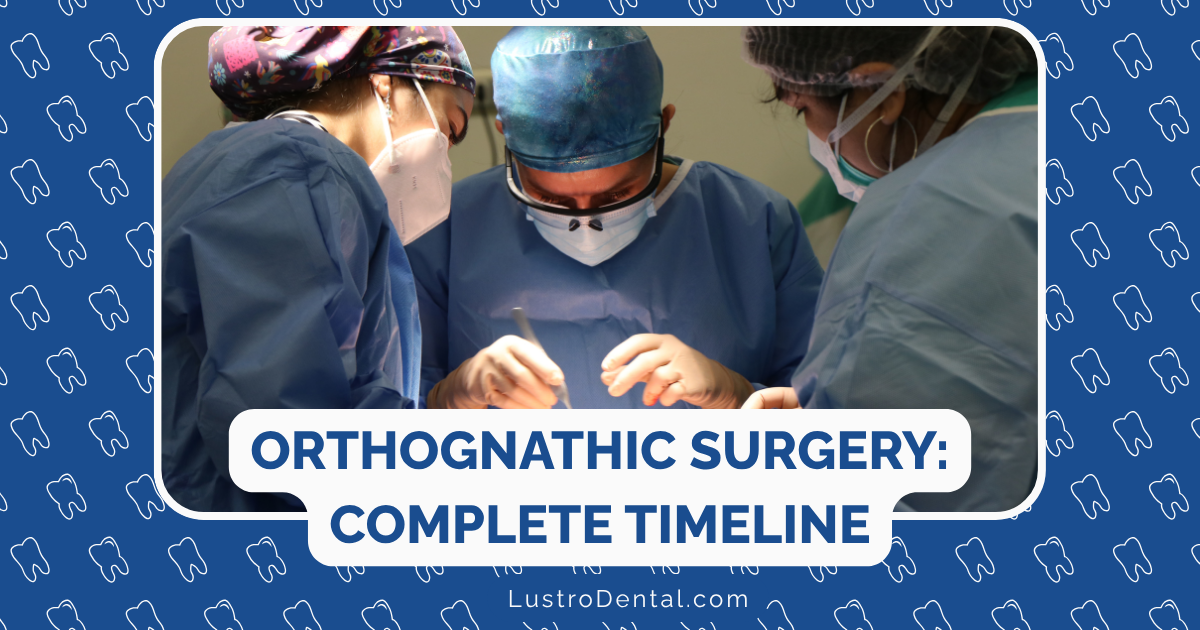
Orthognathic surgery is performed under general anesthesia and typically takes 3-5 hours, depending on complexity. The surgeon will:
Make incisions primarily inside your mouth (leaving no visible scars)
Reposition your jaws according to the surgical plan
Secure the bones with titanium plates and screws
Close incisions with dissolvable stitches
Hospital Recovery (1-3 days)
After surgery, you’ll:
Be closely monitored in a recovery area
Receive pain management and anti-nausea medications
Begin learning oral hygiene techniques
Start a liquid diet
Meet with your surgeon daily to assess initial healing
Phase 5: Early Recovery (Weeks 1-6)
This phase is often the most challenging but also shows the most dramatic improvement.
Week 1: Maximum Swelling
Significant facial swelling and bruising (peaks around day 3-4)
Liquid diet through a syringe or cup with a spout
Frequent application of ice packs (20 minutes on, 20 minutes off)
Limited talking and facial movements
Sleep with head elevated to reduce swelling
According to patients who’ve been through the process, the first 3-4 days are typically the most difficult. As one patient shared on MyCenter’s blog, “Movement is crucial as early as day 2. Even just walking around your home can enhance physical and mental strength, decrease swelling, and improve blood flow.”
Week 2: First Follow-up
First post-operative appointment
Removal of any non-dissolving stitches
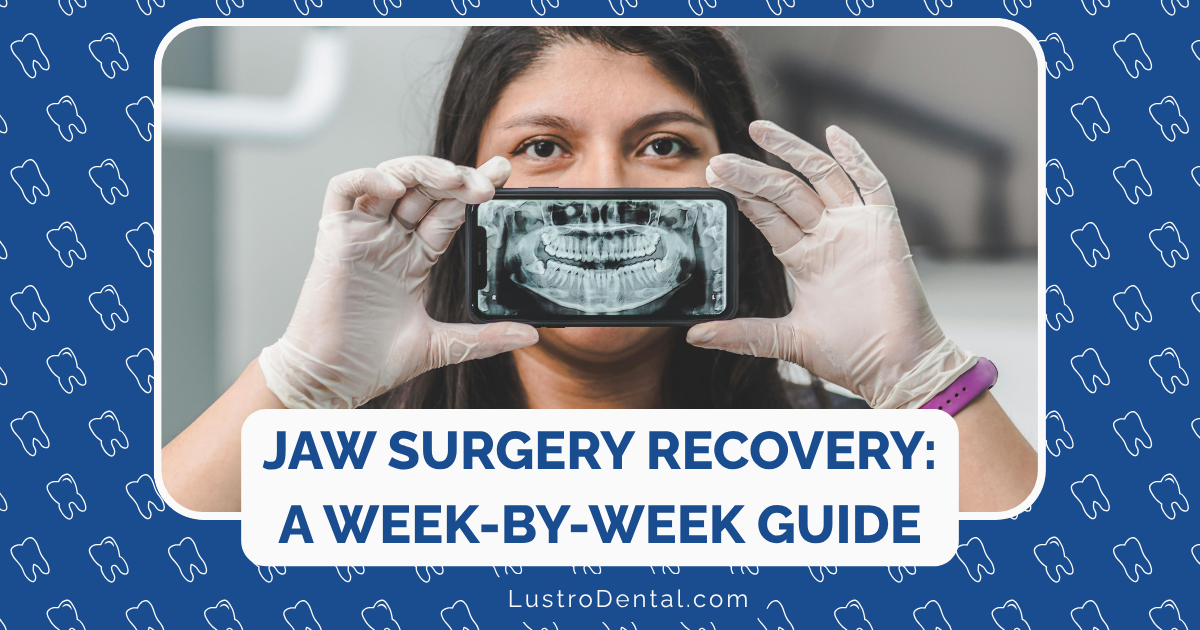
Initial X-rays to check positioning
Guidance on jaw exercises if appropriate
Instructions for transitioning to pureed foods
Weeks 3-4: Noticeable Improvement
Swelling reduces by approximately 50-60%
Transition to soft, blended foods
Increased jaw mobility exercises
Potential return to work/school for sedentary roles
Improved energy levels and comfort
Weeks 5-6: Functional Recovery
Approximately 75% of swelling resolved
Expanded diet to include soft foods like pasta, fish, and well-cooked vegetables
Continued improvement in facial definition as swelling subsides
Month 3
Near-normal facial appearance (though subtle swelling may persist)
Ability to eat most foods with some caution
Improved jaw function and range of motion
Adjustment to your “new normal” bite and facial profile
Phase 7: Long-Term Recovery and Adjustment (Months 4-12)
Months 4-6
Post-surgical orthodontic refinement
Resolution of most numbness (though some areas may take longer)
Final adjustments to bite alignment
Adaptation to new facial aesthetics and function
Months 6-12
Completion of orthodontic treatment
Removal of braces
Retainer placement and retention plan
Final surgical follow-up
The Emotional Journey: What to Expect
The physical timeline is only part of the story. Many patients experience an emotional journey that includes:
Pre-Surgery Anticipation
Excitement about potential improvements
Anxiety about the procedure
Impatience during orthodontic preparation
Post-Surgery Adjustment
Temporary regret or “surgical blues” during early recovery (extremely common)
Frustration with swelling and dietary restrictions
Adjustment to changes in appearance
Long-Term Satisfaction
Increased confidence as final results emerge
Appreciation for functional improvements
Adaptation to your new normal
As one patient noted in an AEDIT article, “Despite the initial discomfort, the confidence boost I experienced after recovery made everything worthwhile. It changed how I felt about myself in ways I hadn’t even anticipated.”
Practical Tips From Those Who’ve Been There
Nutrition
Invest in a good blender for meal preparation
Focus on high-protein, nutrient-dense options
Use meal replacement shakes to maintain calorie intake
Track your weight to ensure you’re getting adequate nutrition
Comfort
Use children’s toothbrushes for gentle cleaning
Apply arnica gel to help reduce bruising
Keep lip balm handy for dry lips
Use a humidifier to prevent nasal and throat dryness
Mental Well-being
Document your journey with photos to track progress
Connect with others who’ve had the surgery through online forums
Set small, achievable recovery milestones
Practice patience—complete healing takes time
When to Contact Your Surgeon
While discomfort is expected, certain symptoms warrant immediate attention:
Fever above 101°F
Excessive bleeding
Severe pain not managed by prescribed medication
Significant increase in swelling after day 4
Signs of infection (increased pain, redness, warmth)
While the journey is undeniably challenging, most patients report that the long-term benefits far outweigh the temporary discomfort of recovery.
Final Thoughts
Orthognathic surgery represents a significant commitment of time and energy, but it also offers transformative results that can improve both function and quality of life. The key to a successful experience lies in thorough preparation, realistic expectations, and trust in the process.
If you’re considering this journey, remember that thousands have walked this path before you and emerged with life-changing results. The timeline may seem daunting, but with proper support and preparation, you can navigate each milestone successfully.
Have you undergone orthognathic surgery or are you considering it? Share your experiences in the comments below.