🦷 General Care
✨ Treatments
👶 Family Care
💚 Wellness
💡 Resources

🦷 General Care
✨ Treatments
👶 Family Care
💚 Wellness
💡 Resources

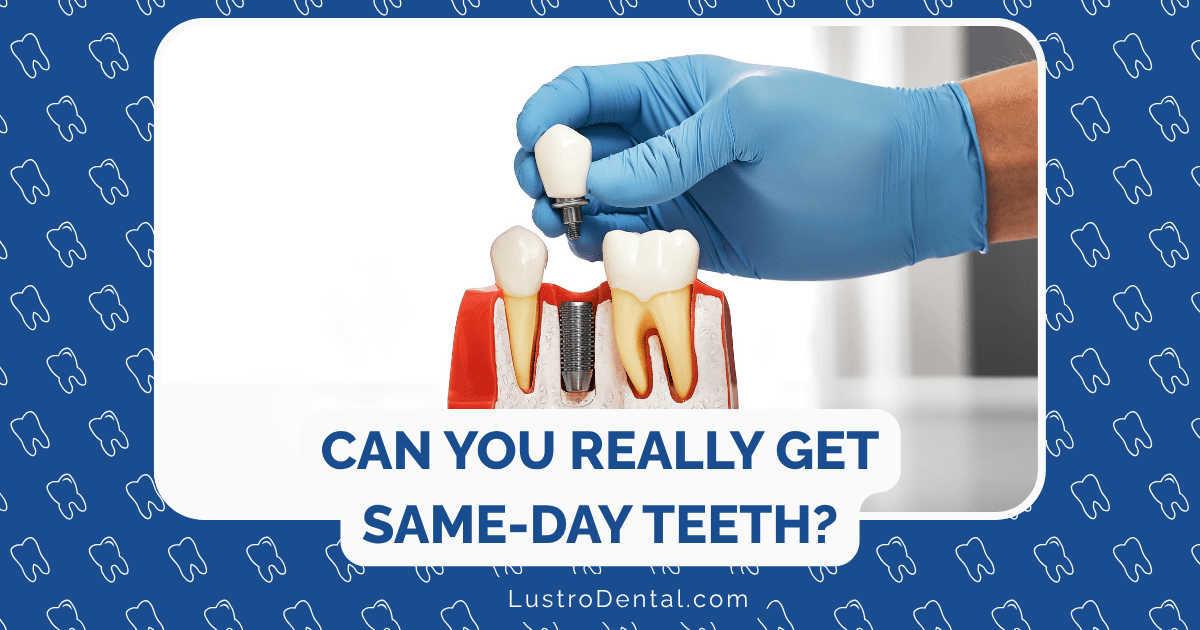
The prospect of walking into a dental office with missing teeth and leaving the same day with a complete, functional smile sounds almost too good to be true. Yet, this is exactly what immediate load dental implants—often marketed as “same-day teeth” or “teeth in a day”—promise. As someone who’s guided many patients through dental implant decisions, I’ve seen both the transformative benefits and the important limitations of this innovative approach.
In this comprehensive guide, I’ll walk you through what immediate load implants really are, who makes an ideal candidate, what the research says about their success rates, and what you should realistically expect if you’re considering this treatment option.
Before diving into the possibilities and limitations, let’s clarify what immediate load implants actually are and how they differ from traditional dental implants.
Traditional Implant Protocol:
Immediate Load Protocol:
The key difference is that with immediate loading, you don’t have to wait months between steps or wear removable temporary dentures during the healing process. Instead, fixed, functional teeth are attached to the implants on the same day they’re placed.
Dr. Sarah Johnson of Colgate Oral Health Center explains, “Immediate load implants don’t actually speed up the biological process of osseointegration—the implant still needs time to fully integrate with the bone. What changes is that patients can have functional teeth during that integration period.”
You might wonder how it’s possible to put immediate pressure on a freshly placed implant without disrupting the healing process. The answer lies in careful case selection and precise surgical technique.
For immediate loading to be successful, the implant must achieve what dentists call “primary stability”—the mechanical stability of the implant immediately after placement. This is typically measured by insertion torque, with values of at least 35 Ncm generally considered necessary for immediate loading.
According to research published in the Journal of Oral and Maxillofacial Surgery, primary stability is achieved through:
Even with good primary stability, the provisional restoration must be designed to minimize harmful forces on the implant during healing:
Immediate load implants offer several significant advantages that make them an attractive option for many patients:
Perhaps the most compelling benefit is the emotional impact of not having to go without teeth. Dr. Michael Chen of Sound Surgical Arts notes, “The psychological benefit of leaving the office with teeth cannot be overstated. Many patients report improved self-confidence and willingness to engage socially immediately after the procedure.”
When an implant and provisional crown are placed immediately after extraction, they help maintain the natural gum contours and papillae (the triangular portion of gum between teeth). This can lead to more aesthetic final results, particularly in the visible front areas of the mouth.
Some research suggests that immediate implant placement and loading may help preserve bone that would otherwise be lost after tooth extraction. A study in the Journal of Osseointegration found that immediate loading protocols showed considerable improvement in treatment outcomes compared to delayed loading.
By combining extraction, implant placement, and provisional restoration in a single visit, immediate loading often reduces the total number of surgical interventions needed.
The compressed treatment timeline is particularly valuable for patients with busy schedules or those who need to complete dental work before a significant life event.
Unlike removable temporary dentures, fixed immediate restorations provide better chewing function and speech during the healing period.
Despite the compelling benefits, immediate load implants aren’t appropriate for every patient or situation. Understanding the limitations is crucial for making an informed decision:
Research consistently shows a slightly higher failure rate for immediately loaded implants compared to traditionally loaded ones. A meta-analysis published in The Journal of Prosthetic Dentistry found a statistically significant lower survival rate for immediate loading compared to conventional protocols (RR=0.974; 95% CI, 0.954, 0.994; P=.012).
While the difference is relatively small, it’s an important consideration, especially for patients with risk factors.
Not everyone is a candidate for immediate loading. According to DDS Lab, ideal candidates must have:
Immediate loading is highly technique-sensitive and requires advanced surgical skills and experience. The margin for error is smaller than with traditional protocols.
While patients leave with teeth on the same day, the provisional restorations may not be as aesthetically refined as the final versions. Dr. Lisa Wong of Aspen Dental explains, “The temporary teeth placed on the day of surgery are functional but may not have the perfect color match or detailed anatomy of the final restorations.”
Patients must follow strict dietary guidelines during the healing period, typically avoiding hard, crunchy, or sticky foods for 6-12 weeks. According to Albuquerque Dentist, this compliance is critical for successful outcomes.
If complications arise or primary stability isn’t achieved during surgery, the treatment plan may need to revert to a traditional loading protocol, potentially requiring additional procedures.
Understanding the real-world success rates of immediate load implants can help set appropriate expectations:
A 2023 study published in MDPI Dentistry Journal found that immediate implants had an overall success rate of 98.12%, with a failure rate of 1.88%. This is quite impressive, though slightly lower than the success rates for traditional loading protocols, which typically exceed 98.5%.
Research indicates that success rates vary based on several factors:
A 5-year follow-up study published in the Journal of Oral and Maxillofacial Surgery found that even implants with lower initial stability that successfully integrated maintained a 100% survival rate over the long term, suggesting that if an immediately loaded implant survives the initial healing period, its long-term prognosis is excellent.
Immediate loading is particularly valuable in certain clinical scenarios:
When replacing a single front tooth, immediate loading can preserve the gum architecture and provide an immediate aesthetic solution, helping patients avoid the social embarrassment of a missing front tooth.
Perhaps the most common application of immediate loading is the “All-on-4®” concept, where an entire arch of teeth is supported by just four strategically placed implants. This approach is particularly valuable for patients transitioning from dentures or those with significant tooth loss.
According to a ResearchGate study, immediate implants show similar success rates in both anterior and posterior regions, making this a versatile option for many clinical situations.
When a tooth needs extraction but has healthy surrounding bone, immediate placement and loading can maintain the natural architecture and provide immediate function.
If you’re considering immediate load implants, here’s what you can typically expect:
When considering immediate load implants, ask yourself and your dental provider these important questions:
Immediate load implants typically cost more than traditional implants due to:
However, when considering the total cost, factor in:
Immediate load dental implants represent one of the most significant advances in modern dentistry, offering patients the possibility of same-day teeth with excellent long-term outcomes. However, they’re not a universal solution for everyone with missing teeth.
The key to success lies in proper patient selection, experienced clinicians, precise surgical technique, and realistic expectations. When these elements align, immediate load implants can provide truly life-changing results—allowing patients to walk out of the dental office with a functional, aesthetic smile in just one day.
If you’re considering dental implants, discuss both traditional and immediate loading options with your dental provider to determine which approach best suits your specific situation, priorities, and oral health status.
Have you had experience with immediate load implants? Are you considering this option for your tooth replacement? Share your questions or experiences in the comments below to help others navigating this important dental decision.