🦷 General Care
✨ Treatments
👶 Family Care
💚 Wellness
💡 Resources

🦷 General Care
✨ Treatments
👶 Family Care
💚 Wellness
💡 Resources

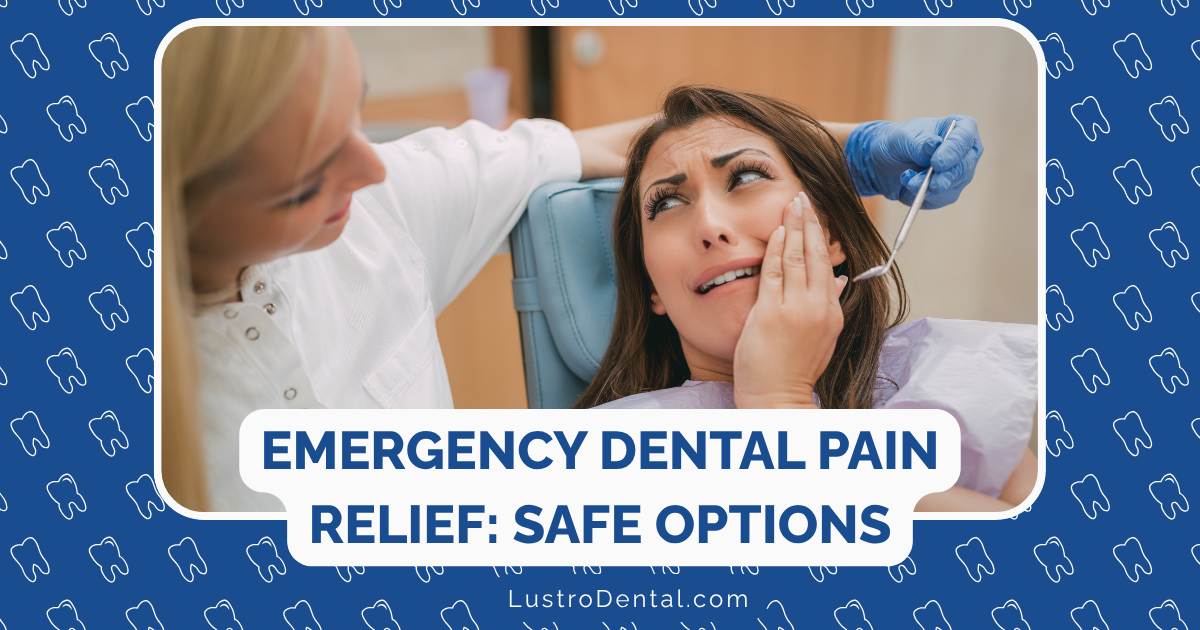
When Michael woke up at 2 AM with excruciating tooth pain, his first thought was panic. “The pain was unbearable, and I knew no dental offices would be open for hours,” he recalls. “I needed something—anything—to help me make it through the night.”
Dental pain can strike suddenly and with intensity that few other types of pain match. Whether it’s the middle of the night, a weekend, or during travel when your regular dentist isn’t available, knowing safe and effective ways to manage dental pain temporarily can be invaluable.
This comprehensive guide covers evidence-based options for emergency dental pain relief to help you manage discomfort until you can see a dental professional. Remember that these measures are temporary solutions only—proper dental treatment is essential to address the underlying cause of your pain.
Before diving into relief options, it helps to understand why dental pain can be so intense. Teeth have rich nerve supplies in their inner pulp chambers, and these nerves are enclosed in hard tissue with no room to swell when inflamed. Additionally, the trigeminal nerve that supplies teeth is one of the most sensitive in the body.
Dr. Sarah Chen of the American Dental Association explains: “Dental pain is unique because it involves nerves that are both highly sensitive and confined within rigid structures. When inflammation occurs, pressure builds with nowhere to go, resulting in the intense pain many patients describe as unbearable.”
Over-the-counter pain relievers are typically the first and most accessible option for dental pain management.
Options include: Ibuprofen (Advil, Motrin), Naproxen sodium (Aleve)
How they work: NSAIDs reduce inflammation and block pain signals, making them particularly effective for dental pain, which is often inflammatory in nature.
Recommended usage:
Best for: Inflammatory pain from conditions like pulpitis (inflamed tooth pulp), pericoronitis (gum inflammation around partially erupted teeth), or periodontitis (gum disease).
Precautions: Avoid if you have kidney problems, stomach ulcers, certain heart conditions, or are taking blood thinners. Always take with food to reduce stomach irritation.
How it works: Unlike NSAIDs, acetaminophen primarily blocks pain signals in the brain without reducing inflammation.
Recommended usage: 500-1000mg every 6 hours (not to exceed 3000mg daily)
Best for: Those who cannot take NSAIDs due to medical contraindications.
Precautions: Use caution if you have liver problems or consume alcohol regularly. Never exceed the recommended dosage, as acetaminophen overdose can cause serious liver damage.
Research published in the Journal of the American Dental Association suggests that alternating or combining ibuprofen and acetaminophen can provide superior pain relief for dental pain compared to either medication alone or even prescription opioids.
Recommended approach: Take 400mg ibuprofen and 500mg acetaminophen at the same time, every 6 hours as needed (not exceeding maximum daily doses of either medication).
Dr. Robert Wilson, an emergency dental specialist, notes: “This combination approach often provides better relief than prescription opioids without the risk of dependency or severe side effects. It’s become our go-to recommendation for managing severe dental pain until definitive treatment can be provided.”
Topical pain relievers applied directly to the affected area can provide quick, localized relief.
Options include: Orajel, Anbesol, Kank-A
How they work: These products contain benzocaine (typically 10-20%), which temporarily numbs the area by blocking nerve signals.
Application: Apply a small amount directly to the affected area using a cotton swab or your finger. Reapply as directed on the package (usually every 2-4 hours).
Precautions: The FDA recommends against using benzocaine products in children under 2 years. In rare cases, benzocaine can cause methemoglobinemia, a serious condition affecting oxygen in the blood. Use sparingly and as directed.
How it works: Clove oil contains eugenol, a natural anesthetic and anti-inflammatory compound that has been used for dental pain for centuries.
Application:
Precautions: Undiluted clove oil can cause irritation or burns to oral tissues. Always dilute before use and avoid swallowing.
According to research in the Journal of Dentistry, eugenol has demonstrated effectiveness comparable to benzocaine for short-term dental pain relief.
Several physical methods can help reduce dental pain without medication.
How it works: Cold reduces inflammation and has a numbing effect on nerve endings.
Application:
Best for: Pain accompanied by swelling, particularly after trauma or dental procedures.
How it works: Elevating your head reduces blood pressure to the affected area, which can decrease pain and swelling.
Application: When resting or sleeping, keep your head elevated with extra pillows.
Best for: Throbbing pain that worsens when lying down.
Several home remedies have scientific evidence supporting their use for temporary dental pain relief.
How it works: Salt water acts as a natural disinfectant, reduces inflammation, and can help remove debris from around a painful tooth.
Preparation and use:
Research support: A study in the International Journal of Dental Hygiene found that salt water rinses can reduce bacterial counts and inflammatory markers in the mouth.
How it works: Peppermint contains menthol, which has numbing and anti-inflammatory properties.
Application:
Research support: Research in the European Journal of Dentistry has shown that menthol has analgesic effects on oral tissues.
How it works: Hydrogen peroxide kills bacteria and helps reduce inflammation in the gums.
Preparation and use:
Precautions: Never use undiluted hydrogen peroxide, as it can irritate or burn oral tissues. Do not swallow the solution.
How it works: Garlic contains allicin, which has natural antibacterial properties and may help fight infection contributing to tooth pain.
Application:
Research support: Studies published in the Journal of Medicinal Food have confirmed garlic’s antimicrobial properties against oral bacteria.
While temporary pain relief measures can help manage symptoms, certain situations require immediate professional attention. Seek emergency dental care if you experience:
Dr. Lisa Rodriguez, an emergency dental specialist, warns: “Dental infections can spread quickly to surrounding tissues and, in rare cases, can become life-threatening. Never ignore signs of infection, as they require professional treatment, often including antibiotics and drainage.”
When you need professional care outside regular office hours:
Returning to Michael’s middle-of-the-night toothache, he found relief through a combination approach:
“I took ibuprofen and acetaminophen together as my dentist had previously recommended, applied a cold compress to my face, and rinsed with warm salt water,” he shares. “It didn’t eliminate the pain completely, but it made it manageable enough that I could get some rest until morning. First thing the next day, I called my dentist and got an emergency appointment.”
Michael’s dentist diagnosed an abscess requiring root canal treatment. “The dentist told me my pain management approach was exactly right for the situation. The temporary measures helped me through the night without making the condition worse, but getting proper treatment was essential to address the infection.”
While knowing how to manage dental emergencies is important, preventing them is even better:
Being prepared can make a significant difference when dental pain strikes. Consider assembling a dental emergency kit containing:
Dental pain can be debilitating, and knowing how to manage it temporarily is valuable knowledge for everyone. The safe, evidence-based approaches outlined in this guide can help you find relief until professional care is available.
Remember that these measures are temporary solutions only. They address symptoms, not underlying causes, and should never replace proper dental treatment. Always follow up with a dental professional as soon as possible to address the root cause of your pain and prevent complications.
As Dr. Wilson emphasizes: “The goal of emergency pain relief is to help you function comfortably until you can receive appropriate dental care. Used properly, these approaches can make a significant difference in your comfort without compromising your long-term dental health.”
Have you experienced a dental emergency? What pain relief methods worked best for you? Share your experience in the comments below.