🦷 General Care
✨ Treatments
👶 Family Care
💚 Wellness
💡 Resources

🦷 General Care
✨ Treatments
👶 Family Care
💚 Wellness
💡 Resources

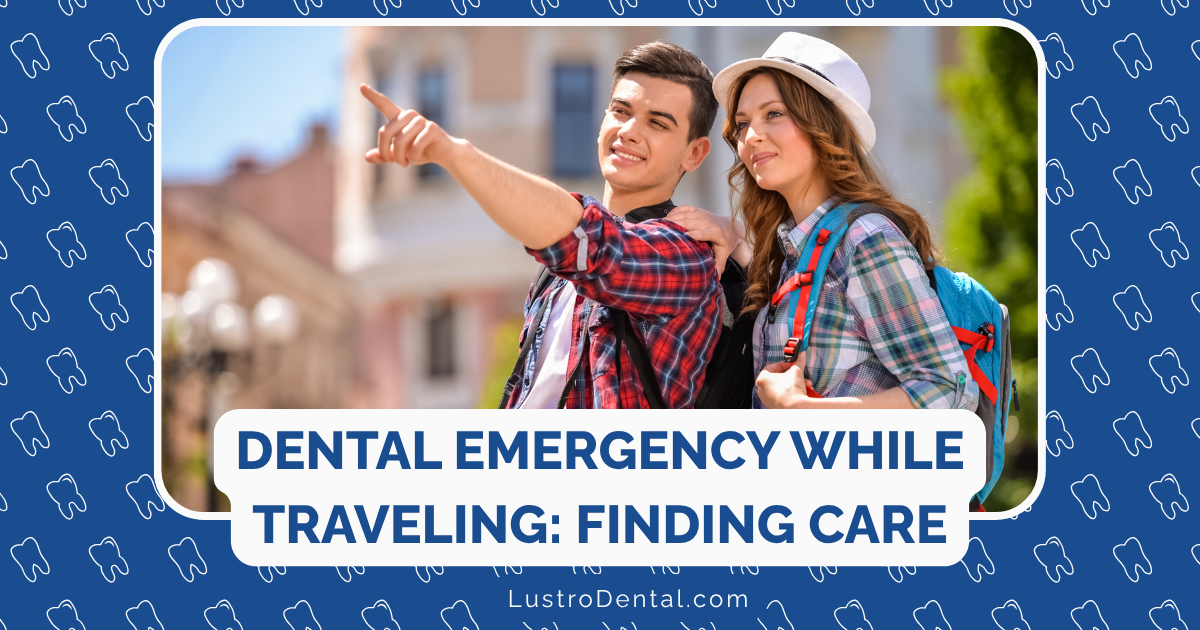
Picture this: You’re finally on that dream vacation in Barcelona, savoring authentic paella and admiring Gaudí’s architecture when suddenly—a shooting pain radiates through your jaw. Or perhaps you’re on a critical business trip to Tokyo when your crown pops off during dinner with clients. Maybe you’re exploring remote villages in Thailand when you notice your cheek beginning to swell from a possible infection.
Dental emergencies never happen at convenient times, but they’re particularly distressing when you’re far from home, unfamiliar with local healthcare systems, and possibly facing language barriers. As someone who’s helped countless patients navigate dental emergencies both at home and abroad, I understand the unique challenges travelers face when dental problems arise.
The good news? With proper preparation and knowledge, you can effectively handle dental emergencies anywhere in the world. Let’s explore how to find quality dental care when you’re away from home, navigate foreign dental systems, and minimize disruption to your travel plans.
Before diving into solutions, let’s identify the dental emergencies most commonly experienced by travelers:
Travel often involves changes in routine, diet, and sometimes even water quality, which can trigger dormant dental issues or exacerbate existing ones. Long flights can also increase tooth sensitivity due to cabin pressure changes.
The combination of different foods, time zone adjustments affecting medication schedules, and sometimes the simple relaxation of vacation can lead to loosened dental work.
Adventure activities, unfamiliar foods (olive pits in that authentic Mediterranean salad, anyone?), or even something as simple as a slip on unfamiliar terrain can lead to dental trauma.
Travelers with braces or other orthodontic appliances may experience broken wires, loose brackets, or irritation that requires professional attention.
Travel stress, sleeping in unfamiliar beds, and long journeys can trigger jaw pain for those with TMJ disorders.
Dr. Lisa Wong, international dental consultant at the Global Dental Travel Association, notes: “The change in routine during travel often reveals dental problems that might have been developing unnoticed at home. Combined with being in an unfamiliar environment, this creates a perfect storm for dental emergencies.”
When a dental emergency strikes while traveling, these initial steps can help manage the situation until you can find professional care:
A compact dental emergency kit can be a lifesaver when traveling. Consider including:
Most of these items are available at pharmacies worldwide, but having them on hand saves precious time during an emergency.
When self-help measures aren’t enough, here’s how to find qualified dental care wherever your travels take you:
Hotel staff, especially at establishments catering to international travelers, often maintain lists of English-speaking healthcare providers, including dentists. They can make appointments and sometimes even arrange transportation.
If you have dental insurance with international coverage:
Your country’s embassy or consulate can provide lists of local healthcare providers who speak your language. The U.S. Department of State maintains such lists for American citizens traveling abroad.
Many national dental associations have reciprocal relationships with their international counterparts. The International Association for Dental Research can sometimes provide referrals to qualified dentists worldwide.
Several apps and websites can help locate dental care internationally:
Expatriate forums, Facebook groups, and communities like InterNations can provide personal recommendations for dental care based on firsthand experience.
One of the most challenging aspects of seeking dental care abroad is communication. Here are strategies to overcome language barriers:
Dr. Michael Chen, international dental care specialist at Global Health Dental Network, advises: “Even with language barriers, dental professionals worldwide use similar diagnostic approaches. Visual examination, x-rays, and universal dental charting systems help bridge communication gaps when words fail.”
Understanding your coverage and payment options before an emergency occurs can save considerable stress:
Many travel insurance policies include emergency dental coverage, but benefits vary widely:
According to InsureMyTrip, most comprehensive travel insurance policies cover emergency dental treatment but may exclude routine care or pre-existing conditions.
For frequent travelers or those on extended trips:
Be prepared with multiple payment options:
The best dental emergency is the one that never happens. Before your trip:
Visit your dentist 3-4 weeks before departure to:
Learning from others’ experiences can provide valuable insights:
Case Study: Sarah’s Crown Emergency in Italy
While enjoying gelato in Rome, Sarah’s crown came loose. Through her hotel concierge, she found an English-speaking dentist who temporarily recemented the crown for €80. The dentist provided documentation that her U.S. insurance later partially reimbursed. Sarah’s advice: “Always ask for detailed receipts and treatment notes in English if possible.”
Case Study: Michael’s Infection in Thailand
During a two-week tour of Southeast Asia, Michael developed a dental abscess. Using the International Association for Medical Assistance to Travelers (IAMAT) directory, he located a qualified dentist in Bangkok who performed an emergency root canal. Michael’s travel insurance covered 80% of the cost. His tip: “Research international dental care resources before your trip, not during a painful emergency.”
Case Study: Elena’s Braces Emergency in Japan
When a bracket broke on Elena’s braces during a business trip to Tokyo, her company’s international health insurance provider connected her with an orthodontist through their telemedicine service. The video consultation determined it wasn’t urgent, and the orthodontist recommended covering the sharp edge with dental wax until Elena returned home. She shares: “Teledentistry saved me hours of searching for an orthodontist in a foreign country.”
Dental emergencies while traveling can be stressful, but with proper preparation and knowledge, they don’t have to ruin your trip. By understanding how to manage initial symptoms, knowing how to find qualified care, and having the right insurance coverage, you can handle dental emergencies effectively wherever your travels take you.
Remember that the quality of dental care varies widely around the world, but major tourist destinations and urban centers typically offer excellent care, often at lower prices than in the United States. Many travelers are surprised to find that dental emergencies abroad can sometimes turn into positive experiences, showcasing the universal care and professionalism of the global dental community.
Before your next adventure, take time to prepare your dental emergency strategy. Your future traveling self—possibly in pain and far from home—will thank you for your foresight.
Have you experienced a dental emergency while traveling? Share your story and tips in the comments to help fellow travelers prepare for the unexpected!