🦷 General Care
✨ Treatments
👶 Family Care
💚 Wellness
💡 Resources

🦷 General Care
✨ Treatments
👶 Family Care
💚 Wellness
💡 Resources

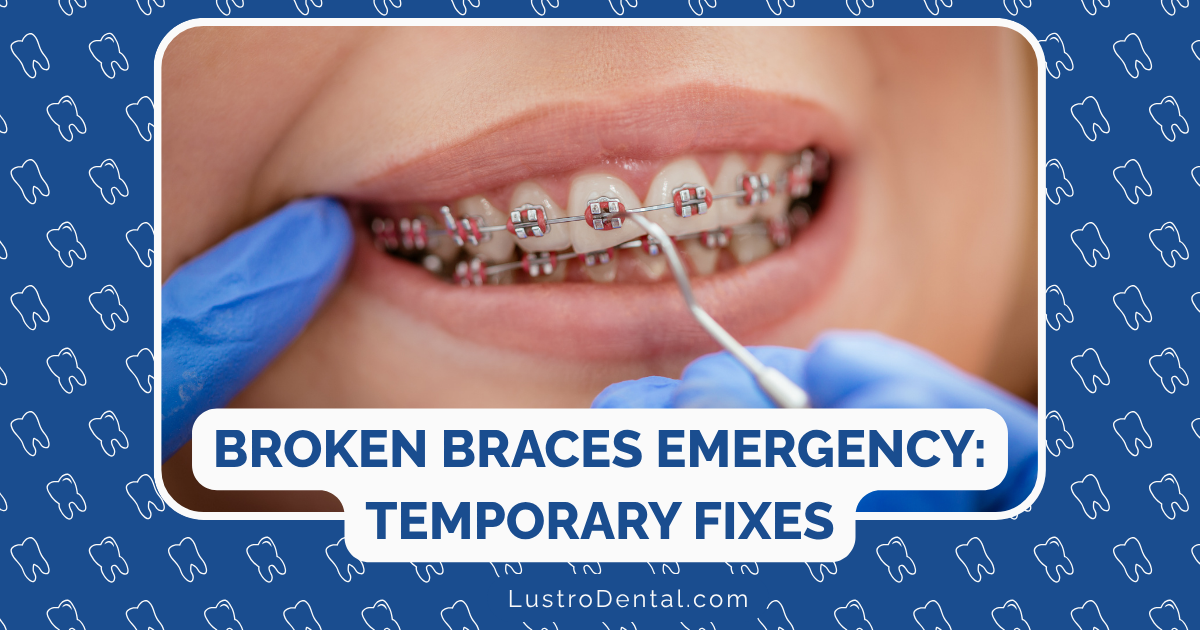
It always seems to happen at the worst possible time. You’re enjoying a movie night with friends, bite into what seemed like a harmless piece of popcorn, and suddenly feel that dreaded “pop” in your mouth. Or perhaps you wake up on a Saturday morning to discover a wire has come loose and is now poking painfully into your cheek.
I’ve guided countless patients through these moments of panic, and I understand the anxiety that comes with a broken bracket or protruding wire. The good news? Most orthodontic emergencies can be managed at home until you can see your orthodontist.
This guide will walk you through exactly what to do when your braces decide to misbehave, helping you stay comfortable and prevent further damage until professional help is available.
Before we dive into solutions, let’s identify the most frequent orthodontic emergencies you might encounter:
The small metal or ceramic squares attached to your teeth are called brackets. They can become loose or detach completely if you eat hard foods or experience an impact to your mouth.
The archwire that runs through your brackets can sometimes break, come out of place, or protrude at the back, potentially causing irritation or painful pokes.
The metal rings that wrap around your back teeth (bands) might occasionally become loose or dislodged.
The small elastic or metal ties that hold the wire to the brackets can break or come off.
While not technically an “emergency,” significant pain from recent adjustments can sometimes feel urgent and require attention.
According to Smiletown Dental Clinic, having an orthodontic emergency kit ready can save you significant discomfort. Here’s what to include:
Keep this kit at home and consider a travel-sized version for school, work, or trips.
When you notice a bracket has come loose but is still attached to the wire:
Wilde Orthodontics recommends using a clean cotton swab to gently push a rotated bracket back into its normal position if it’s causing irritation, but emphasizes that you should never force it.
If the bracket has completely detached:
A wire that’s poking your cheek or gum can be particularly uncomfortable. Here’s what to do:
Remember: Never pull a wire completely out on your own, as this could damage your treatment progress.
Metal bands around your molars can sometimes come loose. If this happens:
The small elastic or metal ties that hold the wire to your brackets may occasionally come off:
Orthodontic emergencies often come with some degree of discomfort. Here’s how to manage it:
Mix 1/2 teaspoon of salt in 8 ounces of warm water and gently rinse your mouth several times a day. This helps reduce inflammation and prevent infection in any irritated areas.
Acetaminophen (Tylenol) or ibuprofen (Advil, Motrin) can help manage pain. Follow the dosage instructions and your orthodontist’s recommendations.
Over-the-counter products like Orajel can temporarily numb sore spots in your mouth.
Eating cold foods like yogurt or ice cream, or drinking cold water can help numb sore areas naturally.
I can’t emphasize enough how valuable orthodontic wax is for protecting your cheeks, lips, and gums from irritation. Apply it generously to any protruding components.
While many braces issues can wait until regular office hours, some situations warrant immediate attention. According to CT Orthodontics, you should contact your emergency orthodontist right away if:
Most orthodontic practices offer emergency contact information for after-hours issues. Don’t hesitate to use it if you’re in significant discomfort or unsure about the severity of your situation.
When you do get in to see your orthodontist, come prepared:
This information helps your orthodontist address the problem more efficiently.
The best way to handle orthodontic emergencies is to prevent them in the first place:
Avoid the foods your orthodontist has advised against, particularly:
If you play sports, always wear an orthodontic-friendly mouthguard to protect your braces and teeth from impact.
Brushing and flossing diligently helps prevent issues with your braces and keeps the underlying teeth healthy.
Don’t skip your scheduled orthodontic appointments, as your orthodontist can spot and fix minor issues before they become emergencies.
Jamie, a 15-year-old patient of mine, texted me one Saturday evening with a photo of a broken wire poking her cheek. She was at a sleepover and wouldn’t be able to come in until Monday.
I walked her through using orthodontic wax (which thankfully she had brought with her) and showed her how to use the eraser end of a pencil to gently push the wire away from her cheek. These simple steps made her comfortable enough to enjoy the rest of her weekend, and we fixed the issue properly first thing Monday morning.
“I was so relieved to know what to do,” Jamie told me later. “Instead of ruining my weekend, it was just a minor inconvenience.”
Braces emergencies can be stressful, but remember that most issues can be temporarily managed at home. The key steps are:
Your orthodontist understands these situations happen and wants to help you stay comfortable and keep your treatment on track. Don’t hesitate to reach out—that’s what we’re here for!
Have you experienced a braces emergency? What worked best for you while waiting to see your orthodontist? Share your experiences in the comments to help others who might be facing similar situations.