🦷 General Care
✨ Treatments
👶 Family Care
💚 Wellness
💡 Resources

🦷 General Care
✨ Treatments
👶 Family Care
💚 Wellness
💡 Resources

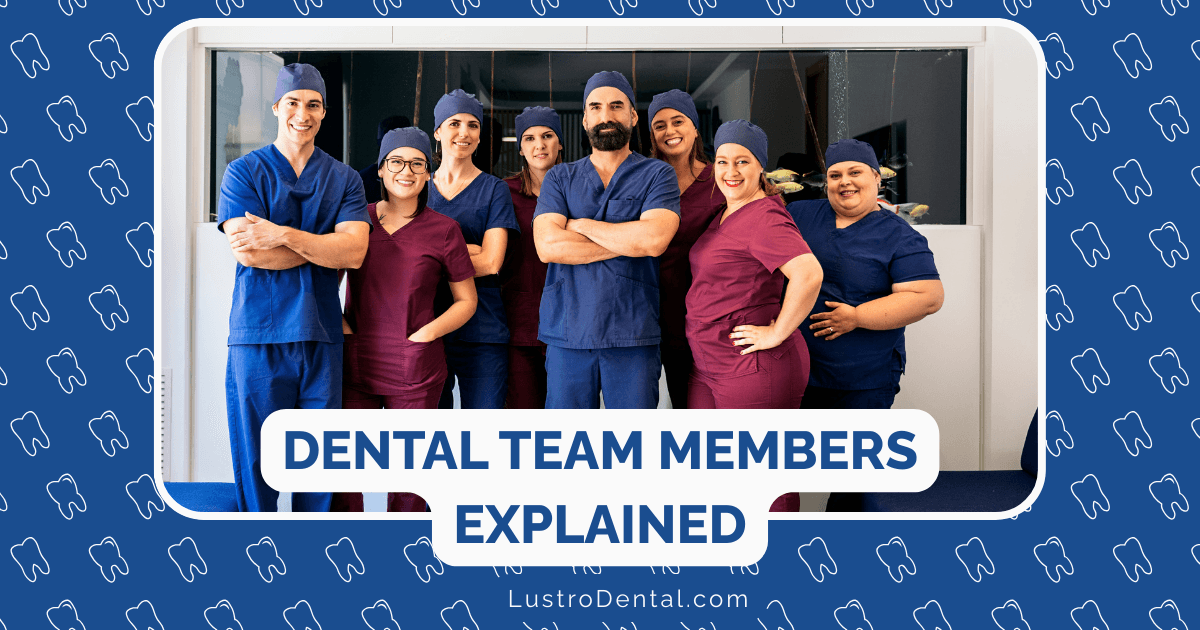
When you visit a dental office, your experience is shaped not just by the dentist, but by an entire team of professionals working together to provide comprehensive care. Each team member plays a distinct and vital role in ensuring your dental health needs are met efficiently, effectively, and compassionately.
Understanding who these team members are and how they contribute to your care can enhance your dental experience and help you communicate more effectively during visits. This comprehensive guide explores the roles and responsibilities of each dental team member and how they collaborate to provide the high-quality care you deserve.
The clinical team consists of the professionals who directly examine, diagnose, and treat your oral health conditions.
The dentist serves as the captain of the dental team, providing comprehensive oral health care with responsibilities that include:
Dr. Michael Chen, a practicing dentist, explains: “While I may be the one who ultimately diagnoses and performs many procedures, quality dental care is truly a team effort. Each member brings specialized skills that, when combined, create a seamless experience for patients.”
Dentists undergo extensive education, typically including four years of dental school following undergraduate education, and must be licensed in the state where they practice. Many dentists also pursue additional training in specialty areas such as orthodontics, periodontics, or oral surgery.
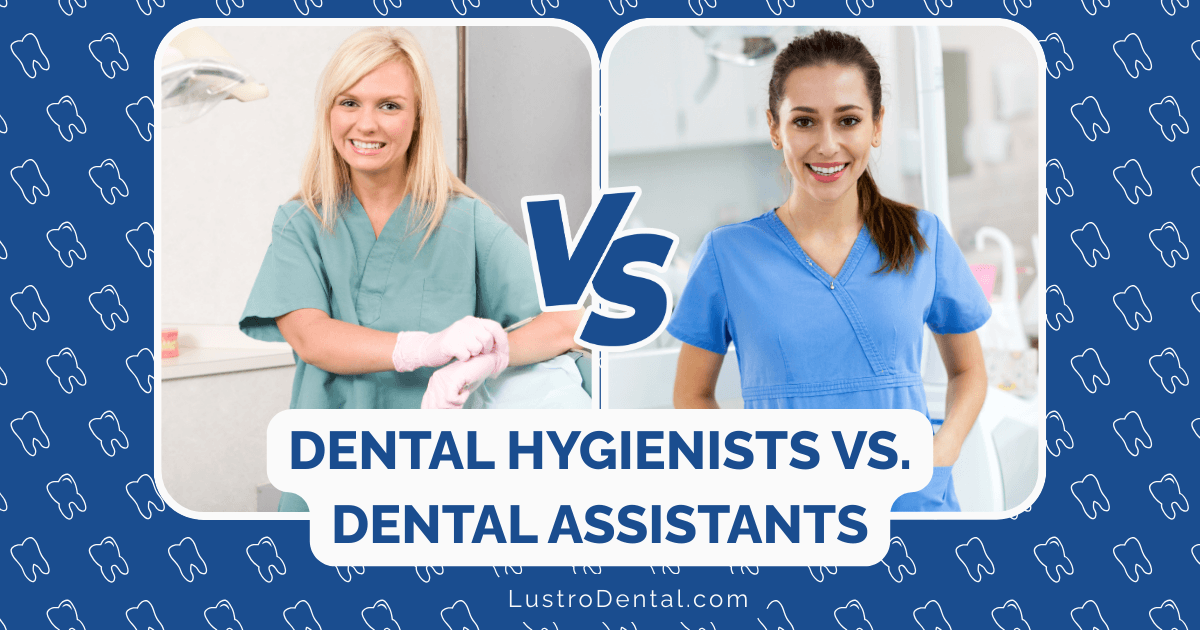
Dental hygienists focus primarily on preventive oral health care, playing a crucial role in maintaining your oral health and preventing disease. According to the American Dental Association (ADA), their responsibilities include:
“Hygienists often spend the most one-on-one time with patients during routine visits,” notes Sarah Johnson, RDH. “This gives us the opportunity to not only clean teeth but to build relationships and educate patients about their oral health in a way that empowers them to take better care of themselves between visits.”
Dental hygienists typically complete an associate or bachelor’s degree in dental hygiene and must be licensed in the state where they practice. Their educational background includes courses in anatomy, physiology, chemistry, microbiology, and specific dental sciences.
Dental assistants work closely with dentists during procedures, ensuring they run smoothly and efficiently. Their diverse responsibilities, as outlined by the ADA, include:
“We’re often described as the dentist’s extra hands,” explains James Wilson, CDA. “Our job is to anticipate what the dentist needs next and ensure that both the dentist and patient have everything they need for a smooth procedure.”
The education requirements for dental assistants vary by state, with many completing accredited programs lasting 9-11 months. Some states require dental assistants to be certified, registered, or licensed, particularly for expanded functions such as taking X-rays or performing certain procedures under the dentist’s supervision.
In many states, dental assistants can obtain additional training to become Expanded Function Dental Assistants, allowing them to perform more advanced procedures, including:
These expanded functions allow the dental team to operate more efficiently, often reducing wait times for patients while maintaining high-quality care under the dentist’s supervision.
While the clinical team focuses on direct treatment, the administrative team ensures that all aspects of your care are coordinated efficiently, from scheduling to billing.
The dental office manager oversees the business aspects of the practice, ensuring that both clinical and administrative functions run smoothly. Their responsibilities typically include:
According to Curved Dental, “Effective dental office management improves patient experiences, streamlines operations, and supports practice growth.”
Office managers often come from diverse backgrounds, with many starting as dental assistants or receptionists and advancing through experience and additional training. Professional organizations like the American Association of Dental Office Management (AADOM) provide resources and certification programs for dental office managers.
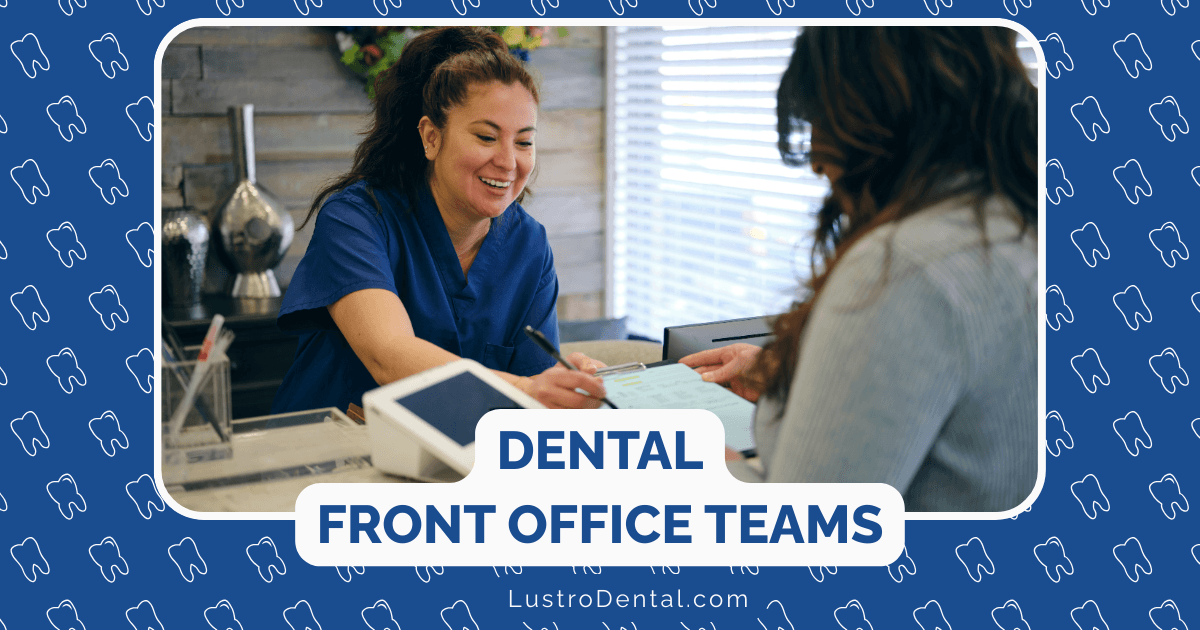
As the first and last person patients typically interact with during a visit, the receptionist plays a crucial role in shaping the patient experience. Their responsibilities include:
“A good receptionist does far more than answer phones,” says Emily Martinez, who has worked as a dental receptionist for over a decade. “We’re often the emotional barometer of the practice, helping anxious patients feel at ease and ensuring everyone leaves with a positive impression, regardless of the procedure they’ve undergone.”
The role requires excellent communication skills, attention to detail, and the ability to multitask in a fast-paced environment. While no specific degree is typically required, many receptionists have backgrounds in customer service, healthcare administration, or dental assisting.
In larger practices, a dedicated treatment coordinator helps patients understand complex treatment plans and navigate financial considerations. Their responsibilities include:
“Our job is to bridge the gap between clinical recommendations and patient decisions,” explains Robert Thompson, a treatment coordinator at a multi-dentist practice. “We translate complex dental terminology into language patients can understand and help them overcome obstacles to getting the care they need.”
Treatment coordinators typically have backgrounds in dental assisting or administration and receive additional training in treatment planning, financial arrangements, and patient communication.
Navigating dental insurance can be complex, which is why many practices employ specialists dedicated to maximizing patients’ benefits. Insurance coordinators are responsible for:
“Understanding dental insurance is almost like speaking another language,” notes Jennifer Lee, a dental insurance coordinator. “Our role is to translate that language for patients and ensure they receive all the benefits they’re entitled to while minimizing out-of-pocket expenses.”
This specialized role requires detailed knowledge of dental procedure codes, insurance policies, and claims processing systems, as well as excellent problem-solving skills and persistence.
Several additional team members contribute to your care without necessarily interacting directly with you during appointments.
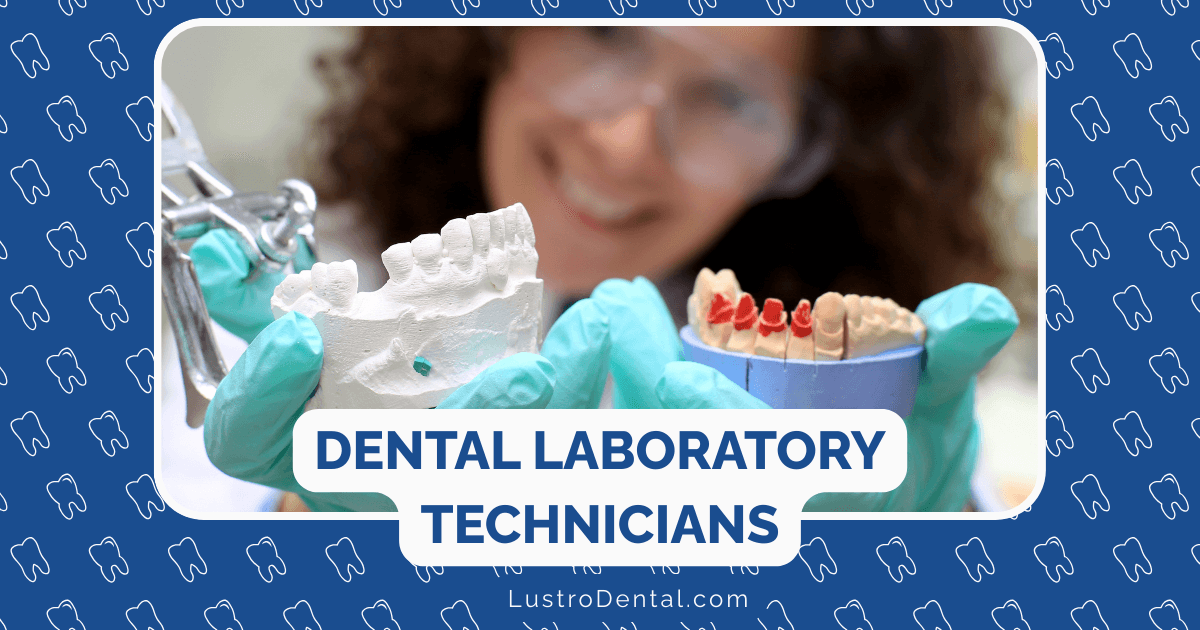
Dental laboratory technicians create the custom restorations that dentists place in your mouth, including:
Working from impressions or digital scans taken by the clinical team, these skilled professionals use a combination of traditional craftsmanship and advanced technology to create restorations that are both functional and aesthetic.
According to the ADA, dental laboratory technicians “work with a variety of materials including waxes, plastics, precious and non-precious alloys, stainless steel, a variety of porcelains, and composites or polymer glass combinations.”
While patients rarely meet the laboratory technicians who create their restorations, their skill and attention to detail directly impact the fit, function, and appearance of dental prosthetics.
In larger practices, dedicated sterilization technicians ensure that all instruments and equipment meet rigorous infection control standards. Their responsibilities include:
“Sterilization technicians are the unsung heroes of dental safety,” says Dr. Lisa Williams. “Their meticulous attention to detail ensures that every instrument that touches a patient meets the highest standards of cleanliness and sterility.”
This role requires specialized training in infection control procedures and sterilization techniques, with a focus on precision and consistency.
A relatively new but growing role in dentistry, Community Dental Health Coordinators work to improve access to dental care, particularly for underserved populations. According to the ADA, their responsibilities include:
“CDHCs serve as bridges between communities and dental care,” explains Maria Rodriguez, CDHC. “We help people overcome the obstacles that prevent them from receiving regular dental care, whether those are financial, logistical, or educational barriers.”
CDHCs typically have backgrounds in dental assisting or dental hygiene and receive additional training in community outreach, case management, and public health principles.
While each team member has distinct responsibilities, modern dental care is inherently collaborative, with all team members working together to provide comprehensive, patient-centered care.
Many dental practices begin each day with a team huddle to review the day’s schedule, discuss specific patient needs, and address any operational challenges. These brief meetings ensure that everyone understands their role in providing seamless care throughout the day.
For complex cases, multiple team members may participate in treatment planning discussions, bringing their unique perspectives to develop the most effective approach. For example:
This collaborative approach ensures that all aspects of the patient’s needs are considered in the treatment planning process.
Many dental teams participate in continuing education together, attending courses and workshops as a group to ensure that everyone stays current on the latest techniques, technologies, and best practices. This shared learning experience strengthens team cohesion and ensures consistent implementation of new approaches.
Understanding the roles of each team member can help you communicate more effectively during dental visits. Here are some tips for productive interactions:
Dental teams value patient feedback to continuously improve their care. Consider sharing:
As dentistry continues to evolve, so do the roles and interactions of dental team members. Several trends are shaping the future of dental team dynamics:
Many states are expanding the scope of practice for dental hygienists and assistants, allowing them to perform more procedures independently. This trend aims to increase access to care while allowing dentists to focus on more complex procedures.
The recognition of oral-systemic health connections is driving greater integration between dental and medical care. Dental teams are increasingly screening for medical conditions such as diabetes and hypertension, and collaborating with medical providers for comprehensive patient care.
Digital tools are enhancing communication and collaboration among team members, from electronic health records that allow seamless information sharing to messaging platforms that facilitate real-time consultation on patient cases.
The traditional hierarchical model of dental practice is evolving toward more collaborative, patient-centered care teams where each member’s unique expertise is valued and leveraged to improve patient outcomes.
The next time you visit your dental office, take a moment to appreciate the orchestrated efforts of the entire team working to ensure your oral health. From the friendly greeting at reception to the skilled hands of the clinical team and the behind-the-scenes support staff, each member plays an essential role in your care experience.
As Dr. Robert Johnson, a dental practice consultant, observes: “The best dental care happens when highly skilled individuals work together seamlessly, each contributing their unique expertise toward the common goal of optimal patient health. When patients understand and appreciate this team approach, they become active participants in their own care, leading to better outcomes for everyone.”
By understanding the roles and responsibilities of each team member, you can engage more effectively with your dental team, ask questions of the appropriate individuals, and ultimately receive more personalized, efficient care that addresses all aspects of your oral health needs.