🦷 General Care
✨ Treatments
👶 Family Care
💚 Wellness
💡 Resources

🦷 General Care
✨ Treatments
👶 Family Care
💚 Wellness
💡 Resources

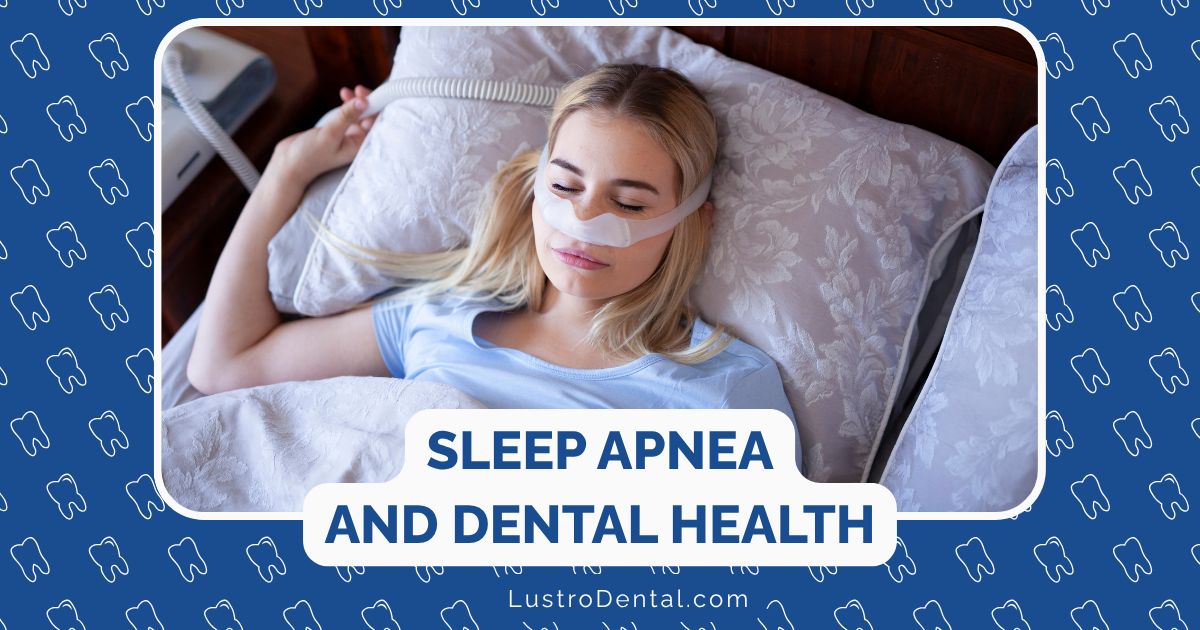
When you think about sleep apnea, you might imagine CPAP machines or sleep labs—but your dentist might be one of the first healthcare professionals to spot signs of this serious sleep disorder. The connection between your oral anatomy and how you breathe during sleep is profound, yet often overlooked.
As a dental health advocate, I’ve seen how understanding this connection can lead to earlier intervention and better treatment outcomes. In this comprehensive guide, we’ll explore the fascinating relationship between your mouth and sleep-disordered breathing, and why your dentist might play a crucial role in helping you breathe—and sleep—better.
To understand the dental connection to sleep apnea, we first need to appreciate the anatomy involved. Your upper airway is a complex system that includes:
During sleep, these structures naturally relax. For many people, this relaxation is minimal and doesn’t affect breathing. But for those with certain oral and facial characteristics, this relaxation can lead to partial or complete blockage of the airway—the hallmark of obstructive sleep apnea (OSA).
OSA is more common than you might think. According to recent data from the Cleveland Clinic, OSA affects between 30 million and 54 million Americans, with many cases remaining undiagnosed. The Colorado Dental Association notes that prevalence increases with age, particularly in individuals aged 50-64, and is more common in men than women.
When left untreated, sleep apnea can increase the risk of serious health complications, including:
Your dentist might be the first to notice signs of sleep-disordered breathing during a routine examination. Here are key oral indicators that might suggest sleep apnea:
Research published in MDPI Biomedicines in 2024 found a strong link between sleep apnea and bruxism. When breathing is obstructed during sleep, the body’s natural response is to grind or clench the teeth, which helps reposition the jaw and temporarily open the airway.
Signs of bruxism your dentist might notice include:
Certain oral and facial characteristics are associated with a higher risk of sleep apnea:
Chronic mouth breathing is both a potential cause and consequence of sleep-disordered breathing. According to a 2025 study in the Journal of Orthodontics, mouth breathing during early childhood may result in craniofacial characteristics that increase the risk of sleep apnea, including:
Your dentist might notice signs of chronic mouth breathing, such as:
Sleep apnea often leads to mouth breathing, which in turn causes xerostomia (dry mouth). A 2024 study in PMC involving over 6,000 patients found that OSA patients, particularly those aged 45 and older, had a significantly higher risk of developing dental caries due to decreased saliva production.
Signs of dry mouth include:
Mouth breathing and sleep apnea often create a self-perpetuating cycle:
This cycle explains why addressing the dental and oral aspects of sleep apnea is crucial for effective treatment.
Dentists trained in sleep medicine can play a vital role in both identifying and treating sleep apnea. While they cannot diagnose OSA (this requires a sleep study ordered by a physician), they can provide effective treatments once a diagnosis is established.
Oral appliances have become a frontline treatment for mild to moderate sleep apnea, especially for those who cannot tolerate CPAP therapy. According to the American Sleep Apnea Association, these devices have a 90% compliance rate compared to about 50% for CPAP.
The two main types of oral appliances are:
These are the most common oral appliances for OSA. They work by:
A 2024 study published in PubMed found that MADs were effective even for very severe OSA, with 95.5% of patients achieving at least a 50% reduction in their Apnea-Hypopnea Index (AHI).
These devices hold the tongue in a forward position using gentle suction, preventing it from falling back and obstructing the airway. While less common and less studied than MADs, they may be an option for those who cannot use MADs due to dental issues or temporomandibular joint (TMJ) disorders.
For children with signs of sleep-disordered breathing, early orthodontic intervention may help prevent the development of OSA:
This orthodontic treatment widens the upper jaw, which can:
According to the American Sleep Apnea Association, up to 25% of children treated with RME may be cured of OSA.
This therapy involves exercises to strengthen the tongue and orofacial muscles, which can:
The most effective management of sleep apnea involves collaboration between dental professionals and sleep medicine specialists. According to Sekhon Dentistry, this team approach typically follows these steps:
This collaborative approach ensures comprehensive care that addresses both the symptoms and underlying causes of sleep-disordered breathing.
Children with sleep-disordered breathing present unique concerns and opportunities for intervention. According to the 2025 Journal of Orthodontics study, persistent mouth breathing in children can lead to:
Signs that a child might have sleep-disordered breathing include:
Early detection and management of mouth breathing and sleep-disordered breathing in children are recommended to improve oral function and prevent growth issues. However, it’s important to note that the evidence for the effectiveness of specific interventions is still evolving.
If you’re concerned about the connection between your oral health and sleep quality, consider these steps:
Ask your dentist about:
If you have symptoms of sleep apnea (snoring, gasping during sleep, daytime fatigue, morning headaches), discuss a sleep study with your healthcare provider.
If diagnosed with sleep apnea, discuss all treatment options, including:
The field of dental sleep medicine continues to grow. According to the Colorado Dental Association, the American Academy of Dental Sleep Medicine (AADSM) now has approximately 2,200 qualified dentists trained in oral appliance therapy, and this number is increasing.
Future developments may include:
The relationship between your oral anatomy, breathing patterns, and sleep quality is complex and bidirectional. Mouth breathing can contribute to the development of craniofacial features that increase the risk of sleep apnea, while sleep apnea can promote mouth breathing—creating a cycle that affects both oral health and overall wellbeing.
By understanding this connection, both patients and healthcare providers can take a more comprehensive approach to addressing sleep-disordered breathing. Your dentist may be the first to notice signs of a potential problem, making regular dental check-ups an important part of not just oral health but sleep health as well.
Remember that addressing sleep apnea isn’t just about getting better sleep—it’s about reducing your risk of serious health complications and improving your quality of life. If you’re experiencing symptoms of sleep-disordered breathing, don’t hesitate to discuss them with both your dentist and physician. The path to better sleep might start in the dental chair.
Have you noticed a connection between your oral health and sleep quality? Share your experiences in the comments below.