🦷 General Care
✨ Treatments
👶 Family Care
💚 Wellness
💡 Resources

🦷 General Care
✨ Treatments
👶 Family Care
💚 Wellness
💡 Resources

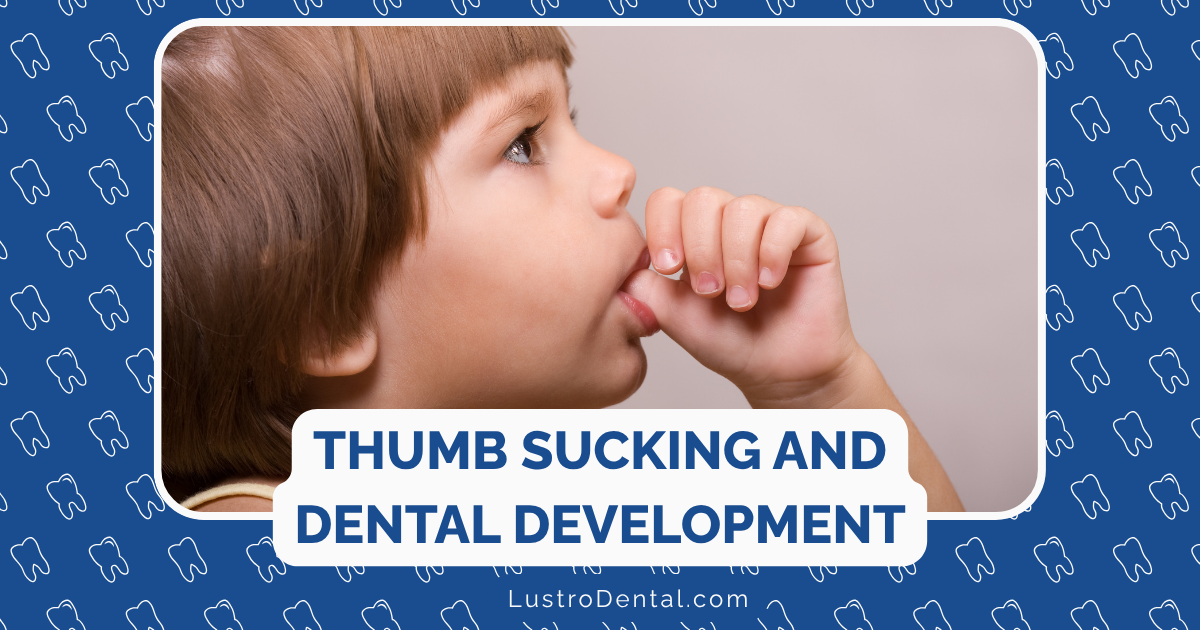
Thumb sucking is one of the most natural and common habits in early childhood. It begins even before birth, with ultrasound images often capturing fetuses sucking their thumbs in the womb. After birth, this instinctive behavior provides comfort, security, and a way for babies to self-soothe.
But what starts as a perfectly normal developmental behavior can sometimes persist longer than ideal. As a parent, you may wonder: When does this harmless habit become potentially harmful to your child’s dental development? When should you intervene, and how?
This comprehensive guide explores the dental impacts of prolonged thumb sucking, helps you identify when it’s time to take action, and provides evidence-based strategies to help your child break the habit gently and effectively.
Before discussing potential problems, it’s important to understand the typical timeline of thumb sucking:
Dr. Sarah Johnson, pediatric dentist at Children’s Dental Health, explains: “About 70-90% of children engage in non-nutritive sucking behaviors like thumb sucking. Most children naturally outgrow the habit between ages 2 and 4 as they develop other coping mechanisms and become more socially aware.”
The impact of thumb sucking on dental development depends on several factors:
The most common dental issue associated with thumb sucking is misalignment of teeth, which can manifest in several ways:
“The pressure from thumb sucking can be surprisingly strong,” notes Dr. Michael Chen of Lewisville Kids Dentistry. “Over time, this constant force pushes teeth out of their natural positions, similar to how orthodontic appliances move teeth—except in undesirable directions.”
Beyond affecting tooth position, prolonged thumb sucking can actually alter the shape of the oral structures:
The dental changes caused by thumb sucking can create challenges with speech development:
Other potential issues include:
While every child develops at their own pace, these general guidelines can help you determine when thumb sucking might be problematic:
During these early years, thumb sucking is a normal part of development. The American Academy of Pediatrics and the American Dental Association agree that there’s usually no need for intervention at this stage unless you notice obvious dental changes.
What to do: Simply monitor the habit and focus on establishing good oral hygiene routines.
By age 4, many children naturally outgrow thumb sucking. If the habit persists, it’s time to pay closer attention.
What to do: Discuss the habit with your child’s dentist during regular check-ups. They can monitor for early signs of dental changes and provide guidance specific to your child.
Once permanent teeth begin to erupt (typically around age 6), the risk of lasting dental problems increases significantly. A 2024 study published in BMC Oral Health found that children aged 6-14 with persistent thumb sucking had higher rates of anterior open bite and other malocclusions.
What to do: Active intervention is typically recommended at this stage to prevent long-term dental issues.
Regardless of age, watch for these indicators that thumb sucking may be causing dental problems:
Dr. Emily Rodriguez, orthodontist at Schwimmer Dental, advises: “If you notice any of these warning signs, it’s worth consulting with a pediatric dentist or orthodontist, even if your child is younger than 5. Early intervention can prevent more complex issues from developing.”
Helping a child stop thumb sucking requires patience, understanding, and age-appropriate approaches:
At this age, gentle encouragement and positive reinforcement work best:
Pro tip: “Never shame or punish a child for thumb sucking,” cautions child psychologist Dr. Lisa Patel. “This can increase anxiety, which may actually intensify the habit and create negative associations with dental care.”
Children in this age range can better understand the “why” behind stopping the habit:
Pro tip: “Make your child a partner in the process,” suggests Dr. Johnson. “When children feel ownership over the goal, they’re more motivated to succeed.”
Older children who continue thumb sucking often do so unconsciously, particularly during sleep:
When home-based strategies aren’t sufficient, dental professionals can offer additional help:
Several dental devices can help discourage thumb sucking:
A 2025 study in BMC Oral Health compared the effectiveness of an electronic habit reminder (a special wristwatch that alarms when thumb sucking occurs) with traditional palatal cribs. While the palatal crib showed a higher cessation rate (54.5% versus 27.3%), both approaches helped some children break the habit.
Commercially available products with bitter but safe flavors can be applied to the thumb to discourage sucking:
For children who have already developed dental issues from thumb sucking:
Dr. James Wilson, orthodontist at AlignerCo, notes: “The good news is that when thumb sucking stops, some dental issues may partially self-correct, especially in younger children. However, significant malocclusions typically require orthodontic intervention.”
Regardless of which intervention strategies you choose, these principles will help make the experience positive:
Consider consulting specialists if:
Parents often worry about the long-term implications of thumb sucking. Here’s what research tells us:
Thumb sucking is a natural behavior that provides important comfort to young children. While prolonged thumb sucking can indeed impact dental development, approaching the issue with understanding rather than alarm creates the best environment for successful habit cessation.
By knowing when to intervene, choosing age-appropriate strategies, and maintaining a positive, supportive attitude, you can help your child move beyond thumb sucking while preserving their sense of security and self-confidence.
Remember that each child’s journey is unique. What works for one child may not work for another, and the timeline for success varies widely. With patience and the right approach, most children can successfully stop thumb sucking before significant dental issues develop.
Has your child struggled with thumb sucking? What approaches worked for your family? Share your experiences in the comments below!
While most 3-year-olds who suck their thumbs don’t develop dental problems, vigorous sucking (with visible cheek movement or audible sounds) has a higher risk of causing changes. It’s worth mentioning to your pediatric dentist, who can monitor for early signs of dental impact.
Not necessarily. If thumb sucking stops before permanent teeth fully erupt, many minor dental issues may self-correct. However, prolonged thumb sucking into the school-age years does increase the likelihood that orthodontic treatment may be needed.
Nighttime-only thumb sucking tends to be less problematic than daytime sucking because it typically involves less total time. However, if it continues for years, it can still affect dental development. Nighttime thumb guards can be particularly helpful for these children.
From a dental perspective, pacifiers and thumb sucking can cause similar issues if prolonged. However, pacifiers are generally easier to eliminate because parents can control access. Some orthodontists recommend orthodontic pacifiers for infants who show strong sucking needs, with a plan to wean from the pacifier around age 2-3.
Minor dental changes may self-correct after thumb sucking stops, especially in younger children. However, significant misalignments typically require orthodontic intervention. Your dentist can evaluate whether your child’s specific situation is likely to improve on its own.