The Recovery Journey: Week-by-Week After Jaw Surgery
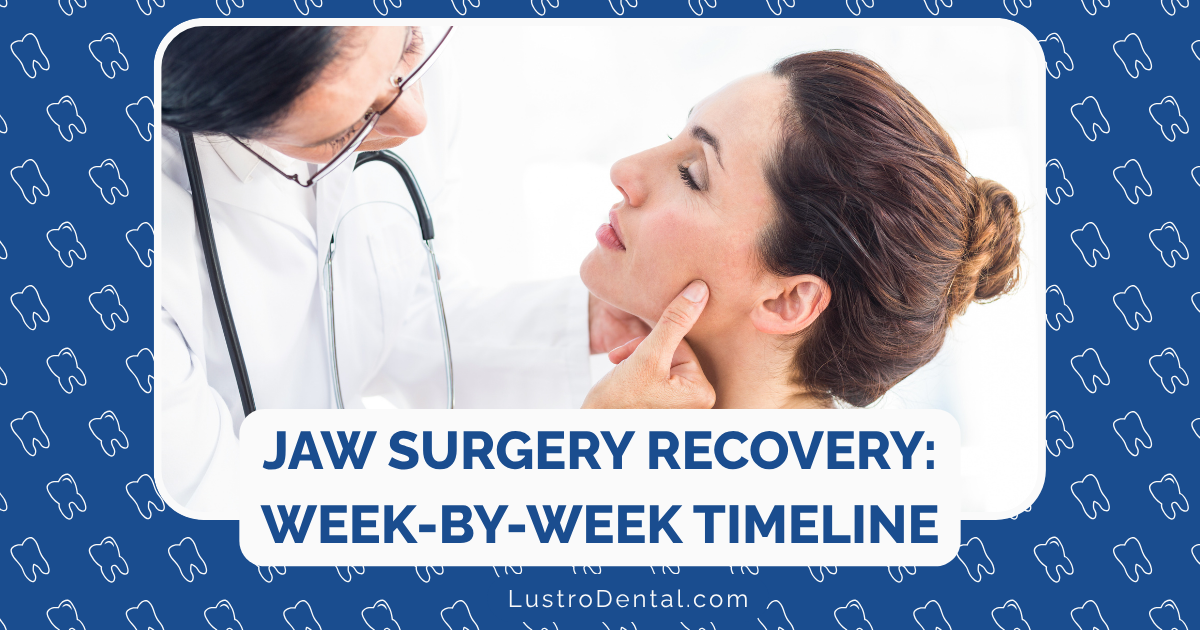
Orthognathic surgery—more commonly known as jaw surgery—represents a significant investment in your oral health and quality of life. While the decision to undergo this procedure is a major milestone, it’s really just the beginning of your transformation journey. The weeks and months of recovery that follow will bring their own unique challenges, milestones, and ultimately, rewards.
As someone who’s guided many patients through this recovery process, I’ve found that having a clear understanding of what to expect week by week can make the journey less daunting and more manageable. Knowledge truly is power when it comes to navigating the ups and downs of healing after jaw surgery.
In this comprehensive guide, I’ll walk you through the typical jaw surgery recovery timeline, from the immediate post-operative period through the first few months of healing. While every patient’s experience is unique, this roadmap will help you anticipate changes, celebrate progress, and know when to seek additional support.
Significant swelling: Your face will begin to swell, peaking around 48-72 hours post-surgery
Discomfort: Pain is typically most intense during this period
Difficulty speaking: Swelling and adjustment to your new bite will temporarily affect speech
Liquid diet: Nutrition will come entirely from liquids
Drowsiness: Anesthesia and pain medication effects will linger
Nasal congestion: Common after upper jaw surgery
Limited jaw movement: Especially if your jaws are banded together
Focus Areas:
Pain management: Take prescribed medications as directed
Ice application: Apply ice packs in 20-minute intervals to reduce swelling
Hydration: Aim for at least 64 ounces of liquid daily
Rest: Your body needs significant rest to begin healing
Head elevation: Keep your head elevated at all times, even while sleeping
According to Apex Surgical, proper hydration during this initial period is crucial, as it supports healing and helps manage the side effects of pain medication.
Week 1: The Challenging Week
The first week is typically considered the most challenging phase of recovery. This is when swelling peaks and you’re adjusting to significant lifestyle changes.
What to Expect:
Peak swelling: Facial swelling typically reaches its maximum around day 5
Bruising: May appear and spread, ranging from purple to yellow
Fatigue: Energy levels will be significantly lower than normal
Liquid nutrition: Continued reliance on blended foods and nutritional supplements
Oral hygiene challenges: Cleaning your mouth will be difficult but essential
Emotional fluctuations: Feelings of regret or doubt are common during this challenging period
Focus Areas:
Nutrition: Focus on high-protein, high-calorie liquid foods
Protein shakes with added nutrients
Blended soups strained to remove chunks
Fruit and vegetable smoothies
Yogurt drinks
Oral hygiene: Begin gentle cleaning
Saltwater rinses 4-5 times daily
Gentle brushing with a soft toothbrush
Prescribed antimicrobial mouthwash
Activity: Very limited
Short, gentle walks around your home
Frequent rest periods
No bending, lifting, or straining
Dr. Sarah Johnson of Legacy OFS emphasizes, “The first week is about survival and basic care. Don’t judge your entire recovery by how you feel during this challenging period—things will improve significantly in the weeks to come.”
Week 2: The Turning Point
Many patients describe the second week as a turning point in their recovery. While challenges remain, noticeable improvements begin to emerge.
What to Expect:
Decreasing swelling: By the end of week 2, approximately 50-75% of swelling will have resolved
Improved energy: You’ll begin to feel more like yourself
Better speech: Communication becomes easier as swelling decreases
Continued numbness: Facial numbness remains but may begin to transition to tingling in some areas
Diet expansion: Introduction of more substantial pureed foods
Follow-up appointment: Typically scheduled to remove any non-dissolving sutures and check healing
Focus Areas:
Nutrition: Expand liquid diet
Well-blended pasta dishes
Protein-rich smoothies with added fats for calories
Pureed soups with more texture
Gentle movement: Increase activity gradually
Longer walks
Light household activities
Gentle jaw exercises if approved by your surgeon
Mental health: Combat isolation
Short social interactions
Video calls with friends and family
Engaging entertainment
According to Peninsula Oral and Facial Surgery, “By the end of week 2, patients typically feel significantly better and begin to see the light at the end of the tunnel.”
Week 3: Returning to Routine
The third week often marks a transition toward more normal daily activities, though significant restrictions remain.
What to Expect:
Continued swelling reduction: Face continues to define
Improved comfort: Pain levels typically decrease significantly
Energy improvement: Many patients feel ready to return to school or desk work
Dietary progress: Introduction of very soft foods that don’t require chewing
Sleep improvement: More comfortable rest as swelling decreases
Emotional uplift: Mood often improves with physical progress
Focus Areas:
Nutrition: Introduce soft foods
Well-cooked, mashed vegetables
Soft scrambled eggs
Very soft pasta
Refried beans
Activity expansion: Gradual return to normal life
Possible return to school or desk work
Short outings
Light household activities
Oral hygiene: More thorough cleaning
More effective brushing as comfort improves
Continued saltwater rinses
Water irrigation devices if approved
Dr. Michael Chen of LA-COMS notes, “Week 3 is when many patients begin to feel human again. While recovery is far from complete, the worst is typically behind you at this point.”
Weeks 4-6: Progressive Improvement
This period is characterized by steady improvement and increasing normalcy, though significant healing continues beneath the surface.
What to Expect:
Minimal visible swelling: By week 6, most obvious swelling has resolved
Improved facial definition: Your new facial structure becomes more apparent
Energy normalization: Most patients return to normal energy levels
Continued soft diet: No chewing is still recommended
Sensation changes: Numbness may begin transitioning to tingling or itching in some areas
Improved jaw mobility: Gradually increasing range of motion
Focus Areas:
Nutrition: Expanded soft food diet
Soft, moisture-rich foods
More substantial textures that don’t require chewing
Continued focus on protein and calories for healing
Physical activity: Increased but still modified
Return to non-contact, non-strenuous exercise
Normal daily activities
Continued avoidance of contact sports or heavy lifting
Jaw mobility exercises: As directed by your surgeon
Gentle stretching exercises
Range of motion activities
Preparation for eventual return to chewing
According to Cleveland Clinic, “The six-week mark represents a significant milestone in recovery, with most patients able to resume most normal activities, though complete healing continues for months.”
Week 8 and Beyond: The New Normal
Around the two-month mark, most patients transition to a new phase of recovery focused on long-term healing and adaptation.
What to Expect:
Return to chewing: Gradual introduction of more normal foods
Orthodontic adjustments: Resumed orthodontic treatment if applicable
Subtle changes: Continued refinement of facial appearance as final swelling resolves
Sensation improvement: Progressive return of normal sensation, though complete resolution may take 6-12 months
Renewed confidence: Adaptation to new appearance and function
Focus Areas:
Diet normalization: Gradual return to regular eating
Begin with soft, easy-to-chew foods
Progressively introduce more challenging textures
Return to normal diet by 3-4 months for most patients
Full activity resumption: Including:
Contact sports (with appropriate protection)
Strenuous exercise
All normal activities
Long-term care: Focus on maintaining results
Diligent oral hygiene
Regular dental and orthodontic appointments
Wearing retainers if prescribed
Dr. Lisa Wong of Dr. Maranon’s practice explains, “While most visible recovery is complete by 2-3 months, internal healing continues for 9-12 months. Patients should understand that subtle changes will continue throughout the first year.”
Special Considerations and Milestones
Swelling Timeline
Swelling follows a predictable but gradual resolution pattern:
Days 1-5: Increasing swelling
Days 5-14: Significant reduction (up to 50-75%)
Weeks 2-6: Continued gradual reduction
Weeks 6-12: Resolution of subtle swelling
3-6 months: Final refinement of facial contours
Numbness and Sensation
Altered sensation is expected and follows this general timeline:
Upper jaw surgery: Numbness in the upper lip, gums, teeth, and roof of mouth may take 6-9 months to resolve
Lower jaw surgery: Numbness in the lower lip, chin, and gums may take 4-6 months to improve
Sensation changes: Progression typically goes from numbness → tingling → itching → normal sensation
Diet Progression
Dietary advancement typically follows this pattern:
Weeks 1-2: Liquid diet (blended/strained)
Weeks 3-6: Pureed foods (no chewing required)
Weeks 6-8: Very soft foods (minimal chewing)
Weeks 8-12: Soft foods (gradual return to chewing)
3+ months: Progressive return to normal diet
Emotional Aspects of Recovery
The emotional journey of jaw surgery recovery deserves special attention. Many patients experience:
Week 1-2: “The Valley”
Questioning the decision to have surgery
Frustration with discomfort and limitations
Concern about appearance during peak swelling
Weeks 3-6: “The Climb”
Growing acceptance of the process
Improved mood as physical discomfort decreases
Excitement as new facial structure emerges
Weeks 6+: “The Perspective”
Appreciation for progress made
Adaptation to new appearance and function
Integration of the experience into your life story
Dr. James Miller of Dr. Larry Wolford’s practice emphasizes, “The emotional recovery from jaw surgery is just as important as the physical healing. Patients should be gentle with themselves and recognize that mood fluctuations are a normal part of this significant life change.”
Tips for a Smoother Recovery
Based on experiences from thousands of patients, these strategies can enhance your recovery:
Prepare before surgery: Stock up on liquid nutrition options, ice packs, and entertainment
Stay ahead of pain: Take pain medication as prescribed, before discomfort becomes severe
Prioritize nutrition: Healing requires calories and protein, even when eating is challenging
Document your journey: Photos help you see progress that might feel slow day-to-day
Connect with others: Online jaw surgery communities provide valuable support and validation
Focus on small victories: Celebrate each milestone, no matter how minor it seems
Communicate with your surgical team: Don’t hesitate to ask questions or report concerns
Be patient with numbness: Nerve regeneration takes time and cannot be rushed
Maintain perspective: Remember that the challenging recovery period is temporary, while the benefits are long-lasting
Trust the process: Your body knows how to heal; your job is to support it with good care
When to Contact Your Surgeon
While most recovery experiences follow the expected timeline, certain situations warrant immediate contact with your surgical team:
Fever over 101°F (38.3°C)
Excessive bleeding that doesn’t stop with pressure
Severe pain not controlled by prescribed medication
Significant increase in swelling after day 5
Signs of infection (increased pain, redness, warmth, discharge)
Bands or splint becoming loose or broken
Persistent nausea or vomiting
Inability to maintain hydration
Significant change in bite alignment
Final Thoughts
The journey after jaw surgery recovery is undoubtedly challenging, but it’s also temporary. Each week brings noticeable improvements, and the long-term benefits—improved function, relief from pain, enhanced aesthetics—make the process worthwhile for most patients.
Remember that while this week-by-week guide provides a general roadmap, your individual healing journey may vary. Some patients progress faster than the timeline suggested here, while others may take longer to reach certain milestones. What’s most important is that you’re moving forward, even if progress sometimes feels slow.
As you navigate your recovery, be patient with yourself, celebrate small victories, and maintain open communication with your healthcare team. Before you know it, you’ll be looking back on this transformative experience from the perspective of your new normal—with improved function, comfort, and confidence that will benefit you for years to come.
Have you undergone jaw surgery or are you preparing for the procedure? Share your questions or experiences in the comments below to help others on their recovery journey.