🦷 General Care
✨ Treatments
👶 Family Care
💚 Wellness
💡 Resources

🦷 General Care
✨ Treatments
👶 Family Care
💚 Wellness
💡 Resources

When I talk to my patients about gum disease, most are surprised to learn that the health of their mouth could significantly impact their heart. It’s a connection that deserves more attention, especially considering that heart disease remains the leading cause of death worldwide.
The relationship between your gums and your heart isn’t just dental industry talk—it’s backed by substantial scientific research. People with periodontal disease are two to three times more likely to experience a heart attack, stroke, or other serious cardiovascular event compared to those with healthy gums.
Let’s explore this crucial connection and what it means for your overall health.
Periodontal disease begins innocently enough—a little bleeding when you brush, some tenderness around the gumline. But beneath the surface, a complex inflammatory process is taking place that can have far-reaching effects.
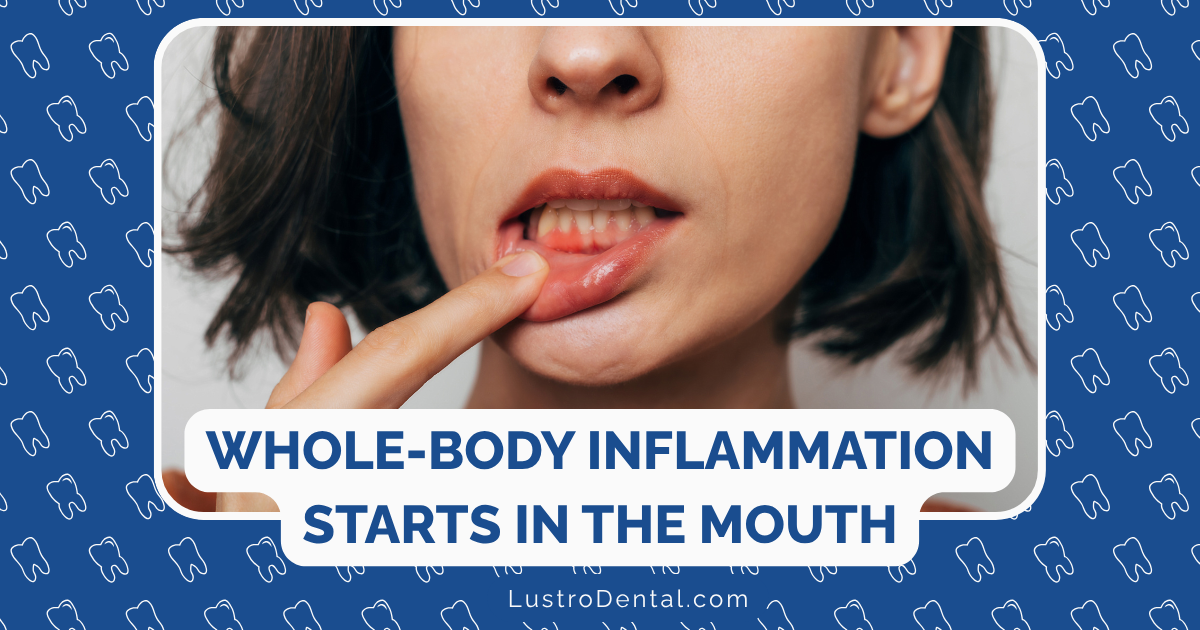
The primary connection between periodontal disease and heart health is inflammation. When bacteria build up in your gums, your body responds with an inflammatory defense. This inflammation doesn’t always stay contained to your mouth.
Dr. Thomas Van Dyke, senior member of staff at The Forsyth Institute, explains: “Inflammation is the critical link. The same inflammatory processes that damage gum tissues can travel throughout the body’s blood vessels, contributing to arterial damage and atherosclerosis.”
This systemic inflammation creates a domino effect:
Recent research published in Science Daily in May 2025 revealed something even more concerning: the bacterium Porphyromonas gingivalis, a major player in gum disease, can directly infiltrate heart tissue.
This bacterium doesn’t just cause inflammation—it can actually travel from infected gums into the bloodstream and establish itself in heart tissue, causing:
The study found that mice infected with this oral bacterium showed 21.9% heart scarring after 12 weeks, compared to 16.3% in uninfected controls. Even more telling, when researchers examined heart tissue from 68 AFib patients undergoing surgery, they found P. gingivalis present, with higher amounts in those with severe gum disease.
The relationship between periodontal disease and cardiovascular problems is complex, partly because they share many risk factors:
These shared risk factors create what scientists call a “bidirectional relationship”—each condition can influence and potentially worsen the other.
Your mouth often shows signs of trouble before your heart does. Pay attention to these periodontal warning signs:
If you’re experiencing these symptoms, it’s important to see a dental professional promptly—not just for your oral health, but potentially for your heart health as well.
The evidence linking periodontal disease to cardiovascular problems continues to grow stronger:
The good news in all of this? Periodontal disease is largely preventable and treatable. Here’s how to protect both your oral and cardiovascular health:
Professional cleanings remove hardened plaque (tartar) that home care can’t address. Your dentist can also spot early signs of gum disease before they become serious.
If you have a family history of heart disease or other risk factors, be extra vigilant about your oral health. Make sure your cardiologist knows about any dental issues, and vice versa.
The same lifestyle changes that benefit your heart also help your gums:
If you do develop periodontal disease, aggressive treatment can help limit its systemic effects. Treatments may include:
Healthcare is evolving toward a more integrated approach. Many forward-thinking practices now include:
Dr. Sarah Cummings, cardiologist at Cleveland Clinic, notes: “We’re increasingly recognizing that oral health screening should be part of cardiovascular care. I often ask my heart patients about their dental health and encourage regular dental visits as part of their overall heart health management.”
The periodontal-cardiovascular connection is just one aspect of the mouth-body relationship. Research also links periodontal disease to:
This expanding body of evidence reinforces the importance of oral health as a vital component of overall wellness.
The connection between your gums and your heart isn’t just an interesting scientific finding—it’s a call to action. By taking care of your oral health, you’re also taking a proactive step toward protecting your heart.
Remember that periodontal disease often develops silently, with few obvious symptoms in its early stages. Regular dental checkups are your best defense, allowing for early detection and treatment before the condition can affect your cardiovascular system.
Your mouth is the gateway to your body. Keep it healthy, and your heart will thank you.