🦷 General Care
✨ Treatments
👶 Family Care
💚 Wellness
💡 Resources

🦷 General Care
✨ Treatments
👶 Family Care
💚 Wellness
💡 Resources

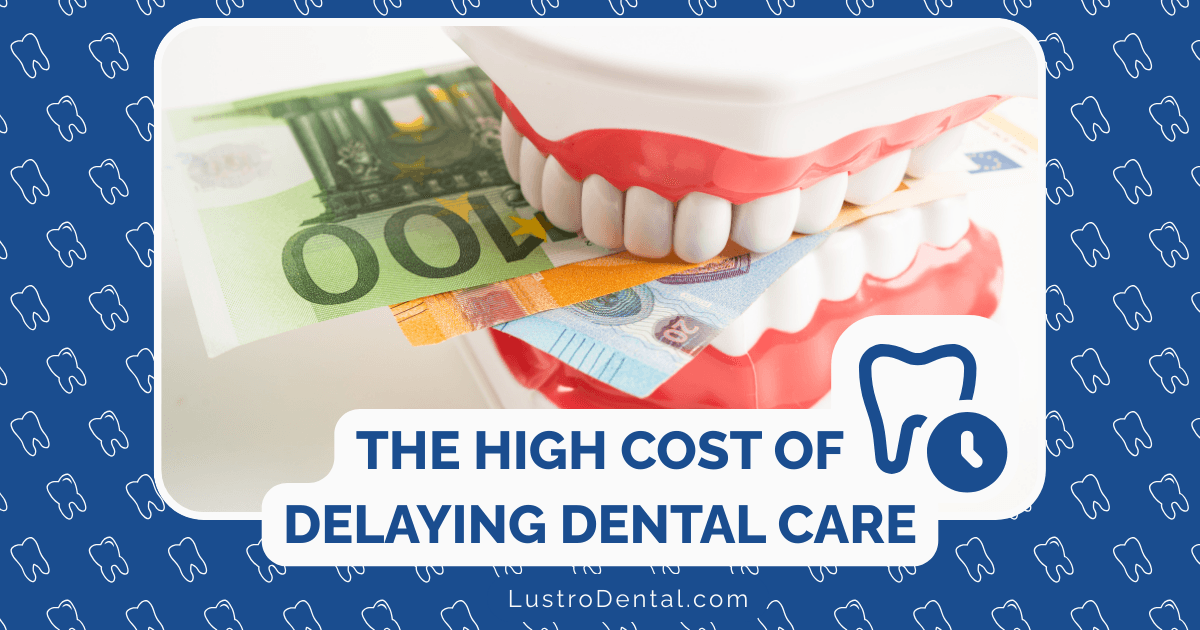
When faced with competing financial priorities, dental care often gets pushed to the bottom of the list. The decision to postpone that dental checkup or recommended treatment might seem like a prudent money-saving move in the short term. However, this approach often leads to a costly paradox: delaying dental care to save money typically results in significantly higher expenses down the road.
The true cost of postponing dental care extends far beyond the immediate financial savings. It encompasses escalating treatment expenses, potential impacts on overall health, lost productivity, and diminished quality of life. This comprehensive analysis explores the financial implications of delayed dental care and why preventive treatment is not just healthier but also more economical in the long run.
Dental issues rarely resolve themselves. Instead, they typically follow a predictable progression when left untreated, with each stage requiring more extensive—and expensive—interventions.
Treatment needed: Preventive care or minor restoration
Financial impact of delay: Minimal immediate savings ($100-$300)
Treatment needed: More extensive restoration
Financial impact of delay: Increased costs of 2-4 times the original treatment
Treatment needed: Major restoration or periodontal treatment
Financial impact of delay: Increased costs of 5-10 times the original treatment
Treatment needed: Extraction and replacement
Financial impact of delay: Increased costs of 10-20 times the original treatment
This progression illustrates how a $200 filling today could prevent a $5,000 implant tomorrow. According to a study published in the Journal of Dental Research, the cost of restorative dental care can be up to 10 times higher when treatment is delayed until emergency care is needed.
To understand the financial implications more concretely, consider these common scenarios:
Timeline:
Timeline:
Timeline:
These scenarios are not uncommon. According to data from the University of Illinois College of Dentistry, adults who practice good preventive oral health care save an average of 31% in dental costs over five years, while those who skip preventive care experience a 43% increase in their annual dental expenses during the same period.
The financial impact of delayed dental care extends far beyond the direct costs of treatment. Consider these additional financial burdens:
When dental problems reach crisis levels, patients often seek relief in emergency rooms—settings not equipped for definitive dental treatment. According to the American Dental Association, there were approximately 2.1 million emergency department visits for dental conditions in 2017, costing $2.7 billion. Most of these visits result in prescriptions for pain medication or antibiotics without addressing the underlying dental issue, meaning patients still need to seek dental care afterward.
Dental problems significantly impact productivity and earning potential:
A study published in the Journal of the American Dental Association found that workers with untreated dental issues were more likely to report reduced productivity while at work, a phenomenon known as “presenteeism.”
Poor oral health is linked to numerous systemic health conditions, each with its own significant treatment costs:
Research from the Mayo Clinic found that treating gum disease in patients with type 2 diabetes reduced their annual medical costs by an average of 40%. Similarly, a study in the American Journal of Preventive Medicine found that regular dental cleanings were associated with lower healthcare costs and fewer hospitalizations among patients with certain chronic conditions.
While harder to quantify financially, the impact of dental problems on quality of life represents another significant “cost” of delayed care:
These factors can create a cycle of disadvantage, as reduced social and professional opportunities may further limit financial resources for dental care.
One of the most significant barriers to timely dental care is the lack of comprehensive insurance coverage. Unlike medical insurance, dental coverage is often treated as optional, leading to significant gaps in protection:
This insurance gap creates a paradoxical situation where those most in need of dental care often have the least access to it. According to a 2023 survey reported by Nasdaq, 92% of Americans would consider delaying dental care due to cost concerns, with 83% willing to postpone even emergency treatment.
The financial case for preventive dental care is compelling:
These statistics highlight the significant return on investment that preventive dental care provides. A study published in the American Journal of Public Health found that preventive dental visits were associated with fewer emergency dental visits and lower overall dental costs over time.
Rather than postponing necessary dental treatment, consider these more financially sound approaches:
Invest in regular checkups and cleanings to catch problems early when they’re less expensive to treat. Most dental insurance plans cover preventive care at 100%, making this a cost-effective approach even for those on tight budgets.
If you need multiple procedures, work with your dentist to create a prioritized treatment plan that addresses the most urgent issues first while spreading out costs over time.
Many dental offices offer payment plans, allowing you to spread the cost of treatment over several months without interest. Third-party financing options like CareCredit also provide flexible payment terms for dental procedures.
Dental schools offer high-quality care at reduced rates (typically 30-50% less than private practices), while Federally Qualified Health Centers provide dental services on a sliding fee scale based on income.
If you have dental insurance, schedule treatments strategically to make the most of your annual benefits. For example, splitting major work across two calendar years can help you utilize two years’ worth of coverage.
Dental savings plans (sometimes called dental discount plans) provide reduced rates on dental procedures through a membership model, often saving 10-60% on treatments with no annual maximums.
Health Savings Accounts (HSAs) and Flexible Spending Accounts (FSAs) allow you to pay for dental expenses with pre-tax dollars, effectively reducing the cost by your tax rate.
The financial implications of delayed dental care vary across different life stages:
Delaying dental care for children can have particularly severe financial consequences:
For adults in their working years, the financial impact includes:
Older adults face unique challenges:
Beyond individual financial impacts, delayed dental care creates significant societal costs:
These broader economic impacts underscore the importance of addressing barriers to dental care access as a public health priority.
The evidence is clear: delaying dental care to save money is a costly miscalculation. While the immediate out-of-pocket savings may seem appealing, the long-term financial consequences far outweigh these short-term benefits. From escalating treatment costs to impacts on overall health, productivity, and quality of life, postponing necessary dental care creates a cascade of expenses that could have been avoided with timely intervention.
The most financially sound approach to dental health is one that prioritizes prevention and early treatment. By investing in regular dental care now, you’re not just protecting your oral health—you’re making a wise financial decision that will pay dividends in reduced expenses and improved well-being for years to come.
Remember that dental problems rarely resolve themselves and almost always become more expensive to treat over time. When it comes to dental care, the old adage holds true: an ounce of prevention is indeed worth a pound of cure—both for your health and your wallet.
Have you experienced the financial impact of delayed dental care? Share your story in the comments below to help others understand the true costs of postponing treatment.