🦷 General Care
✨ Treatments
👶 Family Care
💚 Wellness
💡 Resources

🦷 General Care
✨ Treatments
👶 Family Care
💚 Wellness
💡 Resources

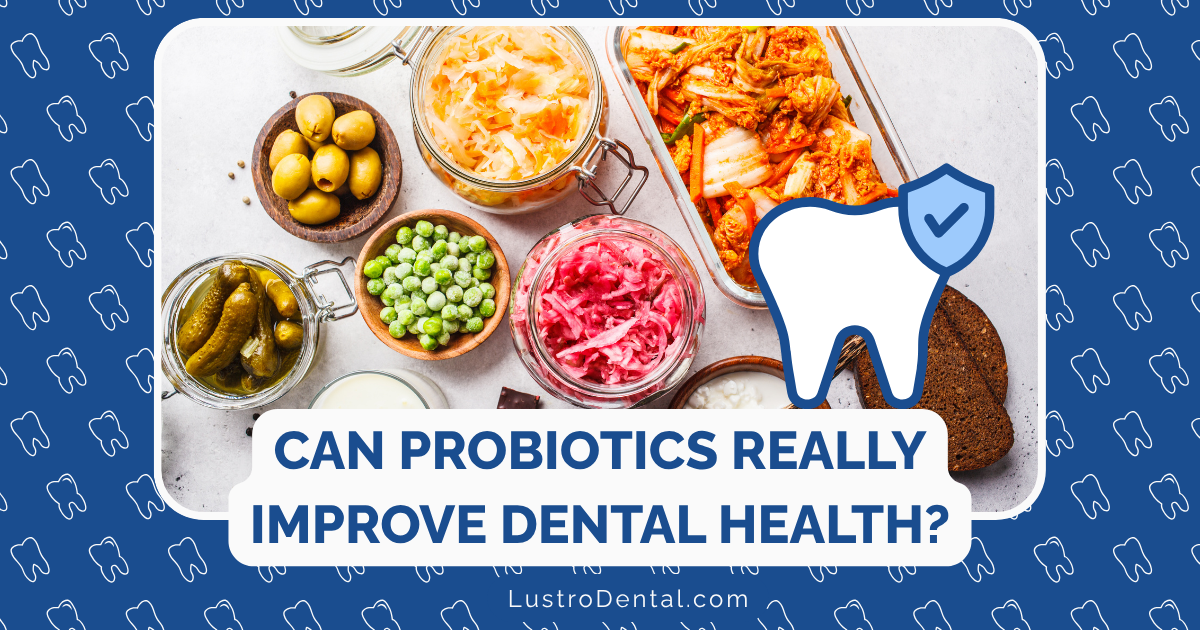
When we think about oral health, we typically focus on brushing, flossing, and regular dental visits. But emerging research reveals a fascinating connection that might revolutionize how we approach dental care: the relationship between our gut and our mouth. This gut-mouth connection represents an exciting frontier in understanding how the microbiomes in different parts of our body communicate and influence each other—and how probiotics might be the key to optimizing this relationship.
As a dental health advocate, I’m passionate about sharing evidence-based approaches that can complement traditional dental care. Let’s explore this connection and discover how probiotics could transform your oral health routine.
The human body hosts trillions of microorganisms, with distinct communities existing in different areas. Two of the most significant microbiomes reside in our gut and our mouth. For years, scientists viewed these as separate ecosystems, but research now reveals they’re intimately connected through what experts call the “oral-gut axis.”
The connection works in several key ways:
A study published in Science found that changes in oral bacteria composition could predict changes in gut microbiome composition with remarkable accuracy, highlighting just how interconnected these systems are.
Both the mouth and gut maintain delicate balances of beneficial and potentially harmful microorganisms. When this balance tips—a condition called dysbiosis—problems can arise in both locations.
In the mouth, dysbiosis often manifests as:
In the gut, dysbiosis can lead to:
Research published in the Journal of Dental Research demonstrates that patients with inflammatory bowel diseases often show higher rates of periodontal disease, suggesting a bidirectional relationship between gut and oral health.
Probiotics—beneficial live microorganisms—offer a promising approach to addressing both oral and gut dysbiosis simultaneously. By introducing specific beneficial bacterial strains, probiotics can help restore balance to these microbiomes.
Probiotics support oral health through several mechanisms:
The benefits of probiotics for oral health are supported by growing scientific evidence:
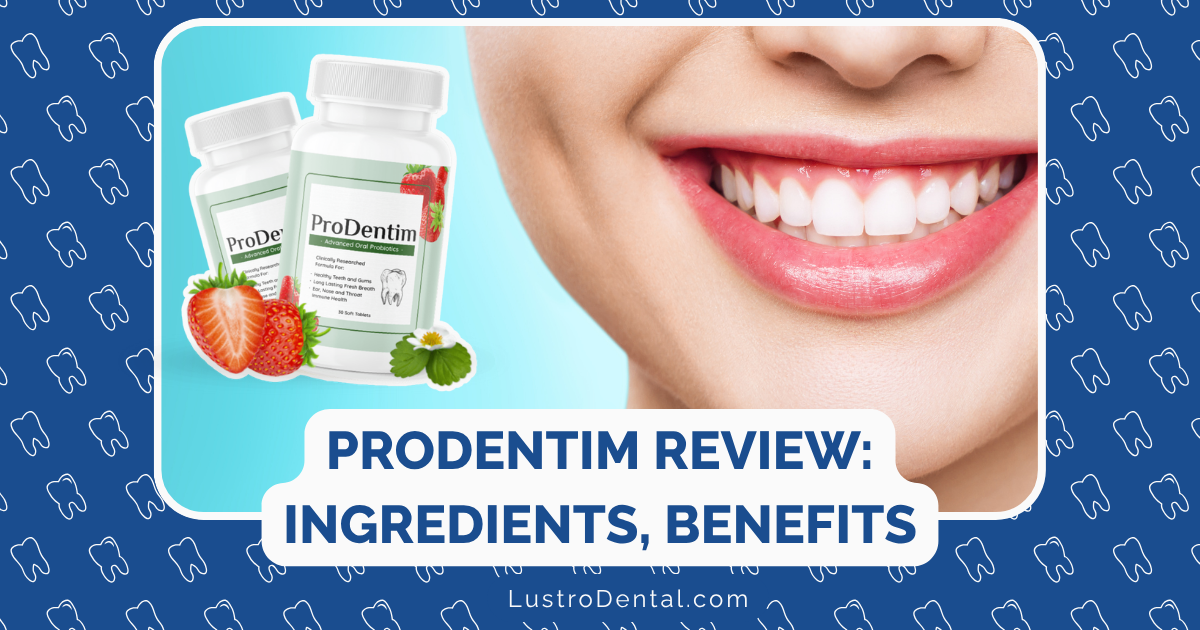
Among the many probiotic supplements targeting oral health, ProDentim stands out for its scientifically formulated blend of probiotic strains specifically selected to support both oral and gut health through the oral-gut axis.
ProDentim’s formula contains 3.5 billion probiotic CFUs (colony-forming units) from strains that have been clinically studied for their oral health benefits:
ProDentim’s formula goes beyond basic probiotics to support the oral-gut connection with additional beneficial ingredients:
What truly sets ProDentim apart is its dual-action approach to the oral-gut axis:
This comprehensive approach addresses both ends of the oral-gut axis, creating a synergistic effect that supports overall health beyond just the mouth or gut alone.
Users of oral probiotics like ProDentim often report improvements in both oral and digestive health:
For optimal results with oral probiotics like ProDentim:
While supplements like ProDentim provide targeted, concentrated probiotic support, certain foods can also contribute beneficial bacteria:
These foods can complement probiotic supplements, though they typically don’t contain the specific strains in the concentrations needed for therapeutic oral health benefits.
Michael, a 45-year-old marketing executive, had struggled with both gum inflammation and digestive discomfort for years. Despite regular dental care and trying various gut health supplements separately, he continued to experience problems in both areas.
After learning about the oral-gut connection, Michael began taking ProDentim daily. Within three weeks, he noticed his gums looked less red and felt less tender when brushing. By the two-month mark, his dentist commented on the significant improvement in his gum health during his check-up.
What surprised Michael most was the improvement in his digestive comfort. “I didn’t expect an oral probiotic to help my stomach issues, but it makes sense now that I understand the connection between my mouth and gut,” he shared. “My digestion is more regular, and I have less bloating after meals. It’s like I’ve addressed two health concerns with one solution.”
Research into the oral-gut axis is still evolving, but it represents one of the most exciting frontiers in both dental and digestive health. As our understanding grows, we can expect to see more targeted probiotic formulations and personalized approaches based on individual microbiome profiles.
What’s clear is that the traditional separation between oral health and digestive health is becoming increasingly outdated. A more holistic approach that addresses the interconnection between these systems offers promising new avenues for improving overall health and wellbeing.
The emerging science of the oral-gut connection reminds us that our body functions as an interconnected system rather than isolated parts. By supporting the beneficial bacteria in both our mouth and gut through targeted probiotics like ProDentim, we can potentially improve not just our oral health but our overall wellbeing.
Remember that probiotics work best as part of a comprehensive approach:
By understanding and supporting the oral-gut axis, you’re taking a truly holistic approach to health that recognizes the remarkable interconnectedness of your body’s systems.
Have you noticed connections between your oral and digestive health? Share your experiences in the comments below!
Most people tolerate oral probiotics very well. However, those with compromised immune systems or certain serious health conditions should consult their healthcare provider before starting any probiotic regimen.
Most people notice initial improvements like fresher breath within 1-2 weeks. More significant benefits to gum health typically emerge after 4-8 weeks of consistent use.
Many oral probiotics are suitable for children, but it’s best to choose products specifically formulated for their age group and consult with a pediatric dentist or healthcare provider.
Absolutely not. Probiotics like ProDentim work best as part of a comprehensive approach that includes regular professional dental care, proper home hygiene, and a balanced diet.