🦷 General Care
✨ Treatments
👶 Family Care
💚 Wellness
💡 Resources

🦷 General Care
✨ Treatments
👶 Family Care
💚 Wellness
💡 Resources

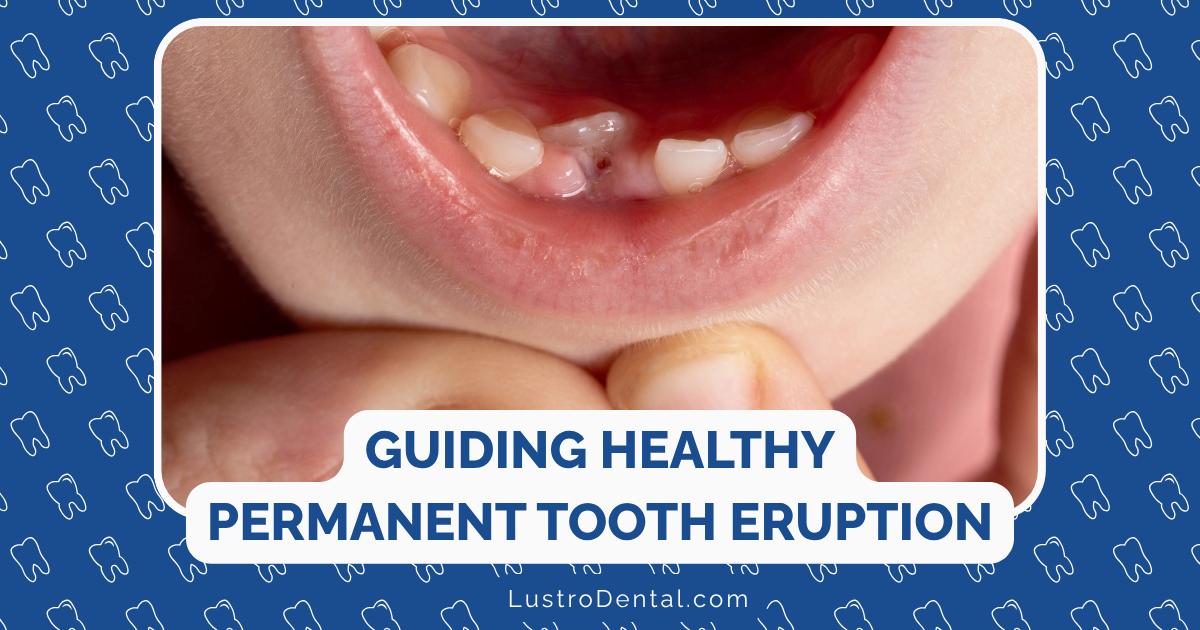
That wiggly tooth, the excitement of an impending visit from the tooth fairy, the slightly gappy smile in school photos—these are cherished childhood milestones that mark the transition from baby teeth to permanent teeth. But this transition is more than just a rite of passage; it’s a critical period for your child’s lifelong dental health.
As someone passionate about dental health education, I’ve seen how parental guidance during this transition can make an enormous difference in a child’s dental future. The way permanent teeth come in affects not just your child’s smile aesthetics but also their ability to speak clearly, chew properly, and maintain overall oral health.
This guide will walk you through what to expect during the transition to permanent teeth and provide practical advice on how you can help ensure those adult teeth come in as properly as possible.
Before diving into guidance, it helps to understand the typical eruption sequence. While timing varies among children, this general timeline can help you know what to expect:
Dr. Sarah Johnson, pediatric dentist at Children’s Dental Health Associates, explains: “This transition period, often called the ‘mixed dentition phase,’ typically spans from age 6 to 12 or 13. During this time, children have a combination of primary and permanent teeth, which creates unique challenges and opportunities for guiding dental development.”
Several issues can arise during the transition to permanent teeth. Being aware of these helps you know when to take action:
What it looks like: Permanent teeth coming in behind baby teeth that haven’t fallen out yet, creating a temporary double row of teeth.
Why it happens: Sometimes permanent teeth begin to emerge before the roots of the corresponding baby teeth have dissolved enough for them to become loose and fall out naturally.
What to do: In many cases, the pressure from the tongue will push on the baby tooth, eventually causing it to loosen and fall out. If the baby tooth doesn’t loosen within a few weeks of the permanent tooth’s appearance, consult your dentist, as the baby tooth may need to be extracted.
What it looks like: Permanent teeth coming in crooked or overlapped due to insufficient space.
Why it happens: Permanent teeth are larger than primary teeth, and sometimes the jaw isn’t large enough to accommodate them properly.
What to do: Monitor the situation and consult with your dentist or orthodontist. Early intervention can sometimes guide jaw growth to create more space.
What it looks like: Large gaps between teeth or permanent teeth erupting far from their ideal position.
Why it happens: This can occur due to discrepancies in tooth and jaw size, premature loss of baby teeth, or habits like prolonged thumb-sucking.
What to do: Consult with your dentist. Some spacing is normal during development, but significant issues may require intervention.
What it looks like: Permanent teeth failing to emerge despite being past the typical eruption age.
Why it happens: The tooth may be blocked by other teeth, developing in the wrong direction, or trapped in the jawbone.
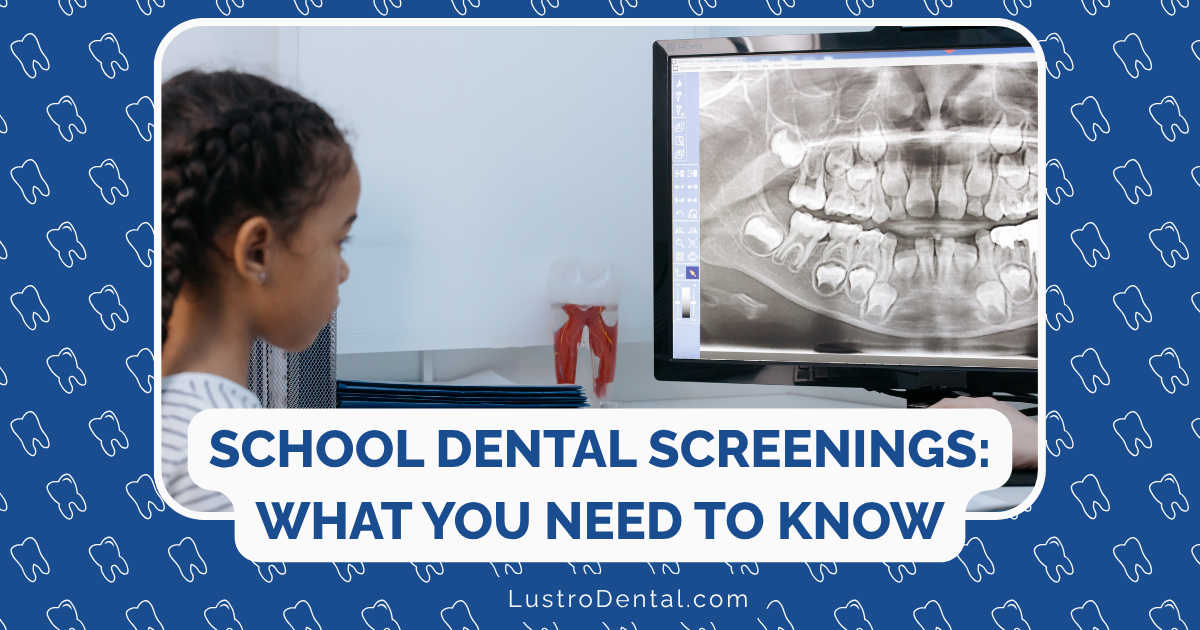
What to do: If a permanent tooth is significantly delayed compared to the typical eruption timeline, ask your dentist for an evaluation. X-rays can reveal the position of unerupted teeth and whether intervention is needed.
One of the most significant issues affecting permanent tooth eruption is the premature loss of baby teeth due to decay, injury, or other factors.
Dr. Michael Chen, orthodontist at American Association of Orthodontists, explains: “Primary teeth serve as space holders and guides for permanent teeth. When they’re lost too early, adjacent teeth can drift into the empty space, leaving insufficient room for the permanent tooth to erupt properly.”
This drift can happen surprisingly quickly—sometimes within just weeks of losing a baby tooth—and can lead to:
If your child loses a baby tooth prematurely (typically more than a year before the permanent tooth is expected), your dentist may recommend a space maintainer—a custom-made appliance that holds open the space until the permanent tooth is ready to emerge.
Types of space maintainers include:
The American Academy of Pediatric Dentistry recommends space maintainers in many cases of premature tooth loss to prevent future alignment problems.
Beyond addressing specific issues, there are several proactive measures parents can take to support healthy permanent tooth development:
Proper oral care is even more critical during the transition to permanent teeth:
Dr. Lisa Williams, pediatric dentist at Children’s Dental Specialists, advises: “Newly erupted permanent teeth have immature enamel that’s more susceptible to decay. Extra attention to cleaning these teeth, especially the deep grooves of molars, can prevent problems that might affect alignment.”
Professional monitoring during this transition is invaluable:
These visits allow your dentist to:
Certain habits can significantly impact how permanent teeth come in:
These habits can alter the pressure balance around the teeth and affect jaw development, potentially leading to malocclusion (improper bite alignment).
Nutrition plays a role in healthy tooth development:
When baby teeth become loose:
A tooth that’s truly ready to come out should cause minimal discomfort and very little bleeding when it falls out.
Permanent teeth are particularly vulnerable when they first emerge:
While some variation in eruption patterns is normal, certain situations warrant professional evaluation:
The American Association of Orthodontists recommends an initial orthodontic evaluation around age 7—when the first permanent molars and incisors have typically erupted. This timing is strategic:
Dr. James Wilson, orthodontist at Pediatric Dental Associates, explains: “We’re not necessarily starting braces at age 7, but this initial evaluation gives us a baseline and allows us to monitor development. If we do identify issues that would benefit from early intervention, we can address them at the optimal time.”
These important teeth often go unnoticed since they don’t replace baby teeth but emerge behind them:
The transition of front teeth is most visible and can affect a child’s confidence:
Upper canines often have the longest journey to make and may be the last front teeth to emerge:
The mixed dentition phase offers an opportunity to build positive dental attitudes:
These positive associations can foster a lifetime of good dental habits and attitudes.
The guidance you provide during your child’s transition to permanent teeth does more than ensure a beautiful smile—it establishes the foundation for their lifelong dental health. By understanding the process, being vigilant for potential issues, and taking proactive steps to support proper development, you’re giving your child an invaluable gift.
Remember that while this guide provides general information, each child’s dental development is unique. Regular professional monitoring, combined with your attentive parental observation, creates the best environment for those permanent teeth to emerge properly and serve your child well for decades to come.
Does your child have permanent teeth coming in? What questions do you have about guiding their proper development? Share in the comments below!