🦷 General Care
✨ Treatments
👶 Family Care
💚 Wellness
💡 Resources

🦷 General Care
✨ Treatments
👶 Family Care
💚 Wellness
💡 Resources

That glass of wine with dinner or weekend cocktails with friends might seem harmless enough, but alcohol’s impact on your oral health extends far beyond just temporary bad breath. From cosmetic concerns like staining to serious health risks including oral cancer, understanding alcohol’s effects on your smile is essential for making informed choices about your drinking habits.
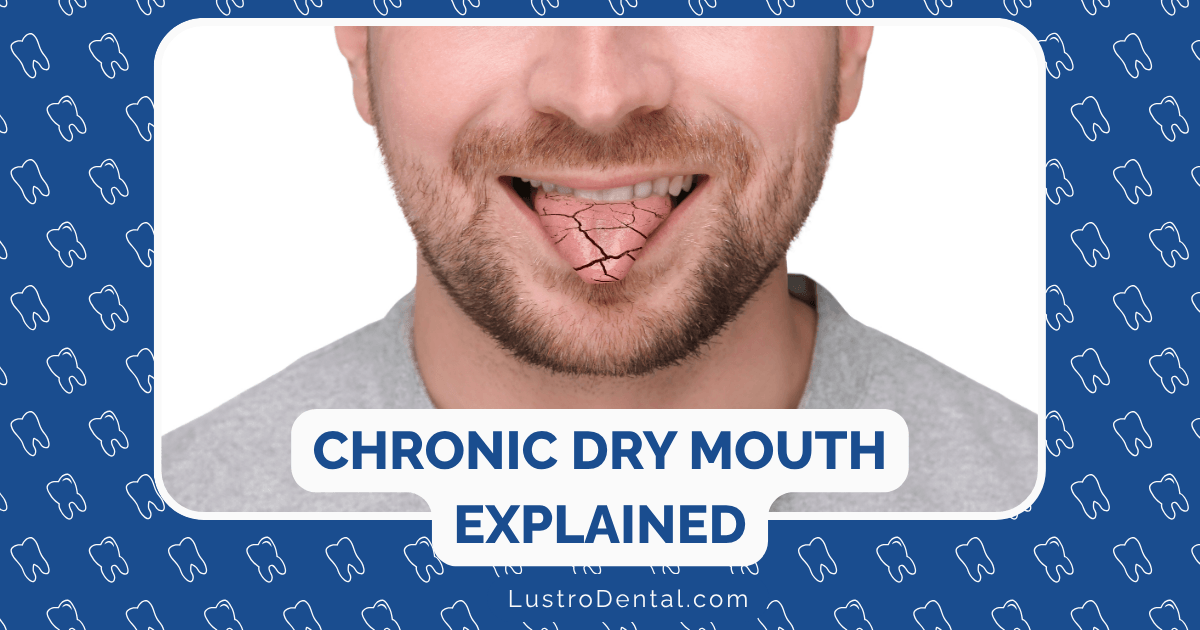
Alcohol is a powerful diuretic, meaning it causes your body to lose more water than you take in. According to Penn Dental Medicine, this dehydration directly affects your mouth by reducing saliva production, leading to a condition called xerostomia (dry mouth).
Why is this a problem? Saliva is your mouth’s natural defense system:
Without adequate saliva, your mouth becomes a breeding ground for bacteria, significantly increasing your risk of tooth decay and gum disease.
Most alcoholic beverages are acidic, with pH levels that can erode tooth enamel:
For context, tooth enamel begins to erode at pH 5.5. Research from ClearChoice Dental shows that repeated exposure to these acids weakens the protective outer layer of your teeth, making them more vulnerable to decay and sensitivity.
Many alcoholic drinks contain significant amounts of sugar, whether from the alcohol itself or from mixers:
This sugar feeds the bacteria in your mouth, which produce acids that attack your enamel and lead to cavities. The combination of high sugar content, acidity, and reduced saliva creates a perfect storm for dental decay.
That rich red wine or dark beer isn’t just staining your tongue temporarily. According to Babylon Dental Care, alcoholic beverages contain chromogens (color compounds) and tannins that adhere to the enamel, causing discoloration over time.
The worst offenders include:
The staining effect is compounded by alcohol’s tendency to dehydrate the mouth, as less saliva means fewer opportunities to naturally rinse away these staining compounds.
As alcohol erodes your enamel, teeth can take on a slightly translucent appearance, particularly at the edges. This erosion also reveals more of the yellowish dentin beneath the enamel, making teeth appear duller and more yellow overall.
A 2025 study from Krengel Dental found that regular consumption of acidic alcoholic beverages was associated with increased tooth sensitivity and visible changes in enamel appearance, even in moderate drinkers.
Alcohol significantly increases your risk of developing periodontal (gum) disease through multiple mechanisms:
Research shows that regular alcohol users without periodontitis have more gum bleeding than non-drinkers, while those with existing periodontitis see their condition worsen with increased frequency of consumption.
The combination of increased decay and gum disease leads to a startling statistic: heavy drinkers are three times more likely to experience permanent tooth loss than non-drinkers. This is due to:
Perhaps the most concerning link between alcohol and oral health is the significantly increased risk of oral cancer. According to Beautiful Smiles Indy, the National Cancer Institute estimates that around 75% of oral and pharyngeal cancers are associated with alcohol and tobacco use.
How alcohol contributes to oral cancer risk:
The CDC reports that approximately 20,000 adults in the US die each year from alcohol-related cancers, with oral cancers being a significant portion of this number.
If you’ve invested in dental work like crowns, fillings, or implants, alcohol can compromise their longevity:
If you choose to drink alcohol, these strategies can help protect your oral health:
The CDC recommends limiting alcohol consumption to:
Remember that the World Health Organization states that no level of alcohol consumption is completely safe for health.
The good news is that many alcohol-related oral health issues can improve when consumption is reduced or eliminated:
According to Gov Park Dental, patients who reduce alcohol consumption often see significant improvements in periodontal health within months, even if they’ve experienced advanced gum disease.
While an occasional drink is unlikely to cause significant oral health problems for most people, regular or excessive alcohol consumption poses real risks to your smile and overall oral health. Understanding these risks allows you to make informed choices and take proactive steps to protect your teeth and gums.
If you do choose to drink, maintaining excellent oral hygiene, staying hydrated, and keeping regular dental appointments becomes even more important. And if you’re concerned about alcohol’s effects on your oral health, your dental team can provide personalized advice based on your specific situation.
Remember, your smile is worth protecting—and being aware of how lifestyle choices like alcohol consumption affect your oral health is the first step toward maintaining a healthy, beautiful smile for life.